
Airplane Charter vs Commercial Flights


A 7:00 a.m. commercial departure can easily start at 4:00 a.m. once you factor in airport arrival times, security lines, baggage handling, and the drive to a major terminal. That is where the airplane charter vs commercial decision becomes more than a pricing question. For many travelers in Costa Rica, especially executives, families, production teams, and time-sensitive groups, the real comparison is about control, access, and how much of the day is spent traveling versus actually arriving.
Airplane Charter vs Commercial: What Changes in Practice
On paper, both options get you from one place to another. In practice, they operate very differently.
Commercial flying is built around fixed schedules, shared space, airline networks, and standardized service. It works well when the route is common, the timing is flexible, and the airport on both ends is well served. For many passengers, that model is perfectly reasonable.
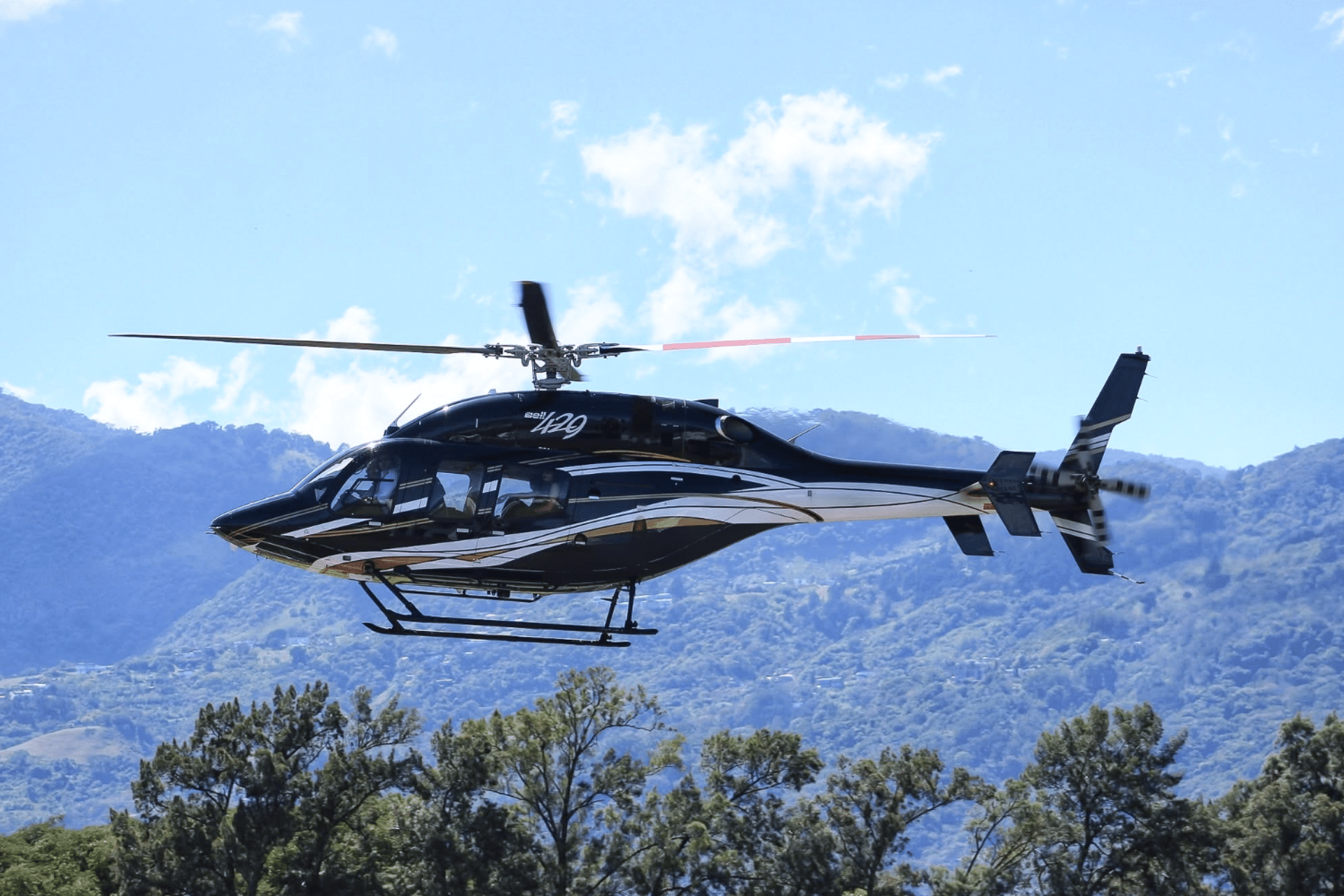
Private airplane charter is built around the traveler instead of the airline network. Departure times are arranged to fit the mission, not the other way around. Airports closer to the actual destination often become viable, and the overall process is more direct. That difference matters in a country like Costa Rica, where geography, weather patterns, road transfer times, and regional access can turn a short distance into a long day.
This is why charter is rarely just about luxury. In many cases, it is a logistics solution with a premium standard of service.
Time Efficiency Is Usually the Biggest Deciding Factor
For business travelers, time tends to be the clearest advantage of charter. A commercial itinerary may require driving to a major airport, arriving well in advance, waiting through boarding procedures, connecting through another city, and then completing a final ground transfer. What looks economical in ticket cost can become expensive in lost hours.
With charter, the process is tighter and more predictable. Check-in is simplified, boarding is faster, and flights can often use airports that are closer to the final destination. If a leadership team needs to visit multiple sites in one day, or if a production crew is working on a narrow shooting window, that flexibility can materially change the outcome of the trip.
Leisure travelers feel the same benefit in a different way. Instead of spending the first and last day of a vacation in transit, more of the trip is spent at the resort, villa, marina, or remote destination that prompted the journey in the first place.
Privacy, Comfort, and Control
Commercial cabins are designed for volume. Even in premium classes, you are still operating within a shared system with fixed boarding groups, public waiting areas, and limited control over the environment.
Private charter offers a different experience. The cabin is reserved for your party, which means conversations remain private, the pace is calmer, and the trip can be organized around your needs. For executives discussing sensitive business matters, families traveling with children, or high-profile passengers seeking discretion, that privacy is not a minor perk. It is often one of the main reasons to charter.
Control also extends beyond the cabin. Group composition, baggage planning, special handling, and timing are managed around the client. That can be particularly useful for travelers carrying specialized equipment, media gear, or itinerary elements that do not fit neatly into airline rules.
Access Matters More Than Most Travelers Expect
One of the most overlooked parts of the airplane charter vs commercial comparison is airport access.
Commercial airlines serve routes that make sense at scale. That means travelers are often funneled through larger airports and then required to complete the last portion of the trip by road or by additional connections. In Costa Rica, where a destination may be geographically close but operationally awkward, this can add significant friction.
Charter flights can often use regional airports that better match the traveler’s actual destination. For a resort transfer, executive meeting, property visit, or production assignment, that can remove hours of ground travel and reduce exposure to road delays. The result is not only convenience, but better reliability for tightly planned schedules.
For organizations moving teams or equipment, that direct access can simplify an entire operation. The value is not just speed in the air. It is the reduction of complexity before and after the flight.
Cost Is More Nuanced Than It First Appears
Commercial flights will usually win on headline ticket price for a single traveler on a standard route. That is the obvious and fair starting point.
But cost becomes less straightforward when you look at the full trip. If several passengers are traveling together, if overnight stays are needed because airline schedules are inconvenient, or if lost executive time carries a real business cost, charter can compare more favorably than many assume. The same is true when a direct private flight avoids long ground transfers, missed connections, or schedule disruptions that affect meetings, filming days, or event timing.
This does not mean charter is the right choice for every budget or every itinerary. It means the smartest comparison is total value, not just base fare. A low ticket price can still produce a high-cost travel day once delays, transfers, and lost productivity are included.
When Commercial Flights Make More Sense
There are plenty of cases where commercial flying remains the practical choice.
If the route is well served, the traveler is flexible on timing, and the destination is close to a major airport, commercial service may provide all the convenience required at a lower upfront cost. The same applies to solo travelers who do not need privacy, schedule control, or specialized handling.
Commercial travel is also a rational fit when the trip itself is not time-sensitive. If arriving a few hours earlier or later makes little difference, then the efficiency gains of charter may not justify the premium.
That is why the best advice is rarely absolute. The right choice depends on what the trip demands.
When Charter Delivers Clear Advantages
Charter becomes especially compelling when time, access, or mission requirements are non-negotiable.
Executives traveling between meetings, families heading to exclusive resorts, production teams moving with camera equipment, and organizations supporting field operations often need more than transportation. They need precision. In those situations, a private flight is part of the operating plan.
This is particularly true in a market like Costa Rica, where premium travelers and professional teams often move between urban centers, coastal destinations, and remote areas on tight schedules. An experienced operator with local knowledge, certified procedures, and strong logistical coordination can make the difference between a workable itinerary and a compromised one. That is where companies such as Aerotour are positioned to add value, especially for clients who need trusted execution rather than a one-size-fits-all booking.
Safety and Service Should Be Part of the Comparison
Travelers sometimes focus so heavily on schedule and price that they overlook operator standards. In private aviation, this is a critical point.
Not all charter providers offer the same level of operational maturity. Experience, certification, aircraft suitability, maintenance discipline, crew standards, and local flight knowledge all matter. For clients evaluating charter, the question is not only whether private flying is more convenient than commercial. It is whether the operator has the credentials and operating history to deliver that convenience responsibly.
Commercial airlines benefit from public familiarity and large-scale systems. Charter operators earn trust differently, through regulatory compliance, safety culture, and consistent service execution. Buyers should expect transparency and professionalism, especially when the mission involves business travel, VIP passengers, or specialized aerial work.
How to Decide Between Airplane Charter vs Commercial
A useful way to decide is to start with four questions. How much is your time worth on this trip? How close do you need to get to the actual destination? How important are privacy and schedule control? And what is the cost of disruption if the itinerary slips?
If those answers point toward flexibility, direct access, and reliability, charter is often the stronger option. If they point toward low upfront cost and a routine route with no urgency, commercial service may be entirely sufficient.
The best travel decision is not the cheapest one on a screen. It is the one that fits the real objective of the trip. For some travelers, that will be a commercial seat. For others, especially those balancing time, privacy, and operational demands, private charter is the more efficient and more intelligent choice.
The strongest plans begin by defining what the flight needs to accomplish, then choosing the service model that gets you there with the fewest compromises.