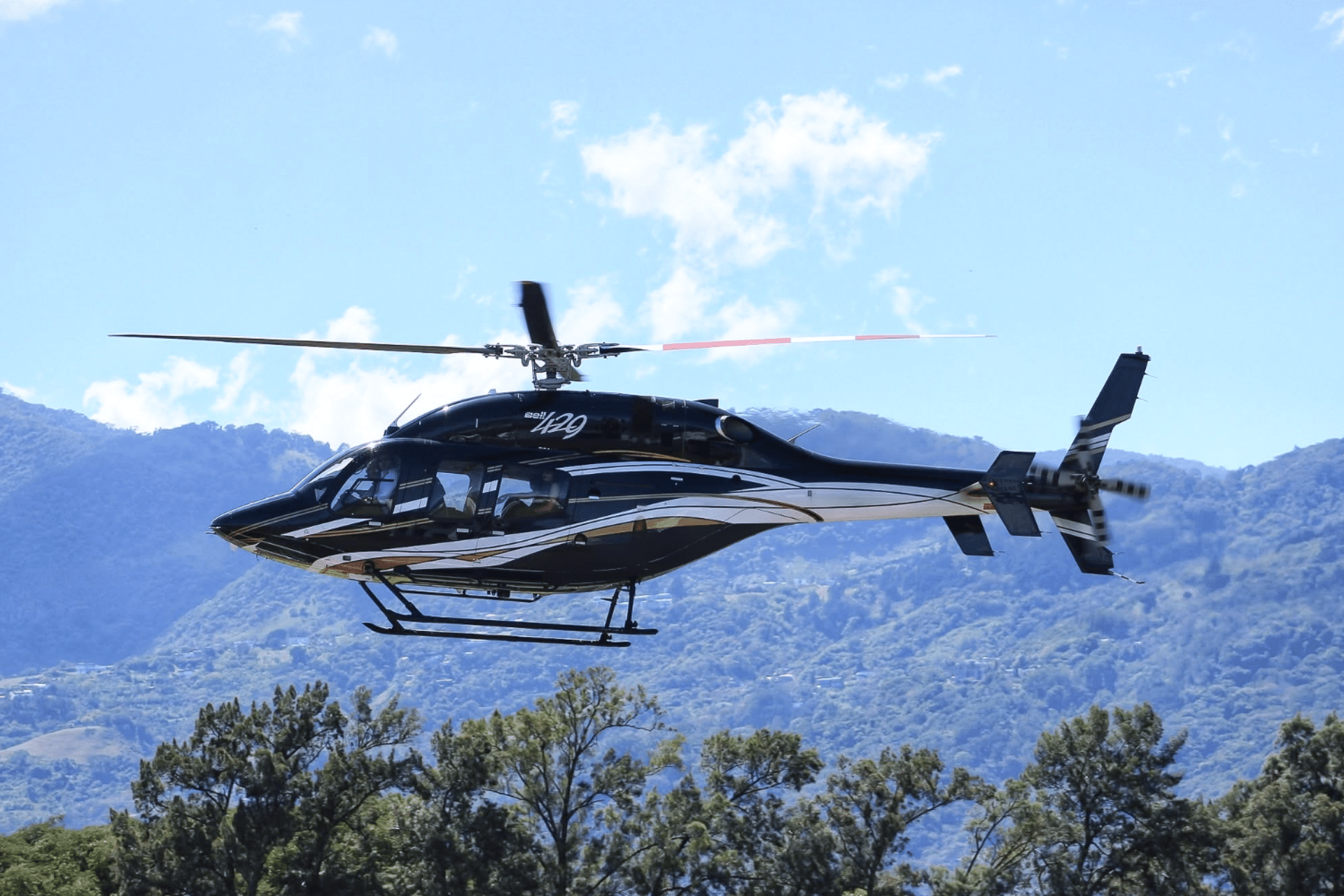

Medical Logistics Airlift When Time Is Critical

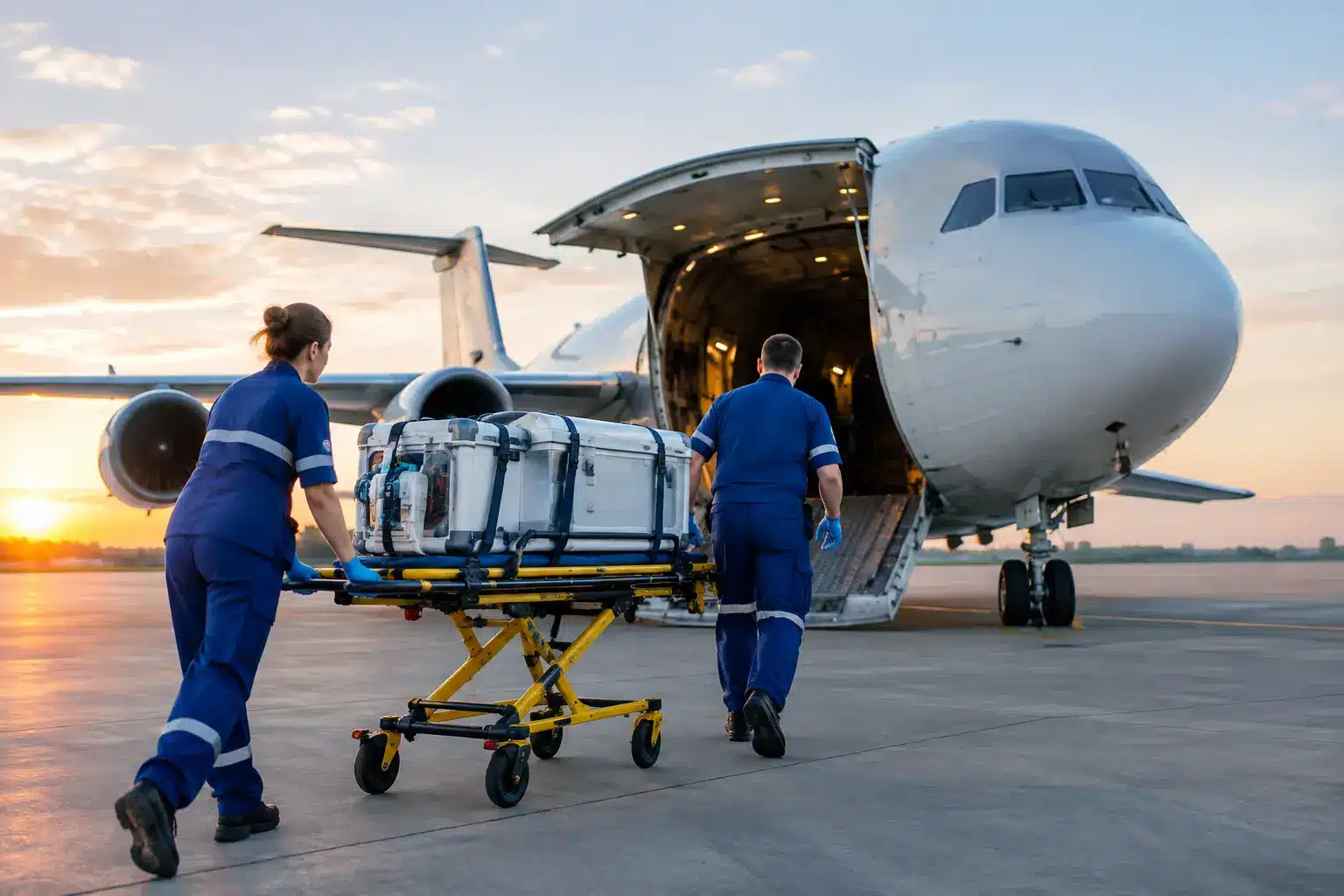
A washed-out bridge, a closed mountain road, or a patient-support team needed in a remote community can turn a manageable plan into a time-sensitive operational problem. Medical logistics airlift gives organizations a way to move the right people and mission-critical cargo directly to locations where ground transport may be too slow, too uncertain, or simply unavailable.
In Costa Rica, geography matters. Major hospitals, suppliers, and decision-makers may be concentrated around the Central Valley, while clinics, lodges, work sites, coastal communities, and protected areas sit hours away by road. A carefully planned private flight can shorten that distance substantially, but aviation is not a shortcut to be improvised. The value comes from coordination, aircraft selection, safety discipline, and a clear understanding of what the mission requires.
What Medical Logistics Airlift Is Designed to Solve
Medical logistics airlift is the planned use of aircraft to support urgent healthcare operations. Depending on the mission, that may mean transporting medical personnel, specialized equipment, pharmaceuticals, laboratory materials, replacement parts, or relief supplies. It can also support the movement of a clinical team between facilities when a local need requires expertise that is not immediately available on site.
This is different from a fully equipped air ambulance mission. An air ambulance is configured around patient transport and clinical care in flight, with medical crew, equipment, and operating protocols appropriate to the patient’s condition. A logistics airlift focuses on getting people and cargo where they need to be. The distinction is essential when planning, because the aircraft, certifications, medical staffing, handling procedures, and risk assessment may differ.
For corporate security teams, hospital networks, aid organizations, insurers, production companies, and remote-site operators, the question is rarely whether flying is faster. It is whether flying produces a safer, more reliable outcome than road travel under the actual conditions of the day.
Why Ground Access Can Change the Entire Mission
Costa Rica’s road network connects the country remarkably well, but travel times are not always predictable. Heavy rain, landslides, traffic congestion, construction, and route closures can affect access, particularly during the green season. What appears to be a three-hour drive on a map can become an uncertain six-hour journey when conditions change.
Air access can reduce exposure to those variables and bring a team closer to the operational destination. A helicopter may be particularly useful where a suitable landing area is available near the site. A fixed-wing aircraft can be the stronger option for longer distances, larger cargo loads, or airport-to-airport coordination. Neither is automatically better. The right choice depends on payload, distance, weather, runway or landing-zone availability, and the urgency of the requirement.
That is why serious medical aviation planning begins with the mission, not the aircraft. A request for an immediate departure is only one part of the equation. Operators also need accurate passenger information, cargo details, origin and destination data, preferred timing, and a clear point of contact who can make decisions quickly.
The cargo details matter
Medical cargo is not a generic shipment. Temperature-sensitive medications, diagnostic materials, oxygen systems, batteries, sterile equipment, and regulated substances may require specific handling, packaging, documentation, or weight-and-balance considerations. Some items cannot be accepted without advance review.
The most efficient process is to identify the cargo precisely from the start: what it is, how much it weighs, its dimensions, whether it requires controlled temperature, and whether it contains hazardous or restricted components. That information allows the flight team to assess feasibility before the aircraft is committed, rather than discovering a limitation at departure time.
Planning a Medical Logistics Airlift
A successful mission has the discipline of a well-run clinical handoff. Every party should understand the objective, timing, roles, and limits of the flight before operations begin.
First, define the mission outcome. Is the priority to deliver a surgical specialist before a procedure, move diagnostic equipment to a rural facility, transport supplies after a road closure, or position a response team near an affected area? The answer guides the aircraft recommendation and operational timeline.
Next, assess the destination. An airport with established services is one scenario. A private property, hotel helipad, field site, or remote landing zone is another. Helicopter operations require a suitable landing area free of obstacles, loose debris, overhead wires, and unauthorized people. Conditions can also change with rain, wind, daylight, and local activity. An experienced operator will evaluate these factors rather than treating a map pin as a confirmed landing site.
Weather is equally central. Aviation decisions are based on current and forecast conditions along the route and at the destination, not only on the weather observed at the point of departure. In mountainous terrain, clouds and visibility can shift quickly. A professional operation may adjust a departure time, recommend another aircraft, select an alternate location, or decline a flight if conditions do not support safe execution. That is not a service failure. It is the safety system working as intended.
Finally, establish the ground connection at both ends. Air transport is only one segment of the movement. A vehicle, receiving representative, secure cargo handoff, and contingency contact should be ready on arrival. A 45-minute flight loses much of its value if the team spends another hour locating equipment or waiting for onward transportation.
Safety Is a Logistics Requirement, Not an Add-On
When the mission involves healthcare support, the pressure to move quickly can be intense. The most dependable operators resist the temptation to let urgency override procedure. Flight planning, aircraft performance, crew duty limits, weather minimums, cargo limitations, and landing-site assessment are not administrative details. They are what make rapid response sustainable.
Organizations should look for an aviation partner with established operating history, applicable civil aviation certification, trained crews, and clear communication practices. In Costa Rica, DGAC oversight and adherence to ICAO-aligned operating standards are meaningful indicators of a structured aviation environment. Clients should also expect direct conversations about what is feasible, what requires additional preparation, and where a safer alternative may be necessary.
At Aerotour, decades of private aviation operations in Costa Rica inform this practical approach: plan precisely, communicate early, and execute each flight according to the conditions on the ground and in the air. Premium service is not defined by promising every request. It is defined by giving clients a capable, informed response when the mission carries real consequences.
When a Helicopter Makes Sense and When It Does Not
Helicopters offer a distinct advantage when the destination is near a suitable helipad or approved landing area and road access is limited. They can connect remote regions, coastal locations, and certain work sites without requiring passengers or cargo to travel through a commercial airport. For time-sensitive personnel movements, that flexibility can be significant.
There are trade-offs. Helicopters generally carry less cargo than larger fixed-wing aircraft, and their operating range, weather tolerance, and landing-site requirements must be assessed carefully. A fixed-wing charter may be more efficient for heavier loads, longer domestic sectors, or transfers between airports with reliable ground transportation at each end.
Some missions benefit from a combined solution. A fixed-wing aircraft can move a larger team or shipment across the country, while a helicopter handles the final segment into a less accessible area. This is especially useful when the objective is not merely speed, but dependable access to the point where the resources are needed.
Build Readiness Before the Urgent Call
The best time to identify an aviation resource is before a disruption occurs. Organizations with remote facilities, high-value guests, field teams, or critical supply chains can reduce friction by documenting likely pickup points, destination options, cargo profiles, approved contacts, and decision authority in advance.
This does not mean assuming aircraft will always be available on demand. Availability depends on aircraft position, crew status, maintenance requirements, airspace considerations, and weather. It does mean that when a need arises, the initial conversation starts with usable information instead of uncertainty.
A practical readiness plan should also distinguish between medical logistics support and patient evacuation. If there is any possibility that a patient will need transport with medical care in flight, the organization should have appropriate emergency medical and air ambulance pathways identified separately. Clear escalation criteria protect patients and prevent a logistics solution from being asked to perform a clinical mission it was not designed to handle.
When roads are uncertain and time has operational value, a medical logistics airlift can provide more than a faster route. With the right aircraft, disciplined planning, and an experienced crew, it becomes a measured way to keep critical people, supplies, and decisions moving toward the place they are needed most.