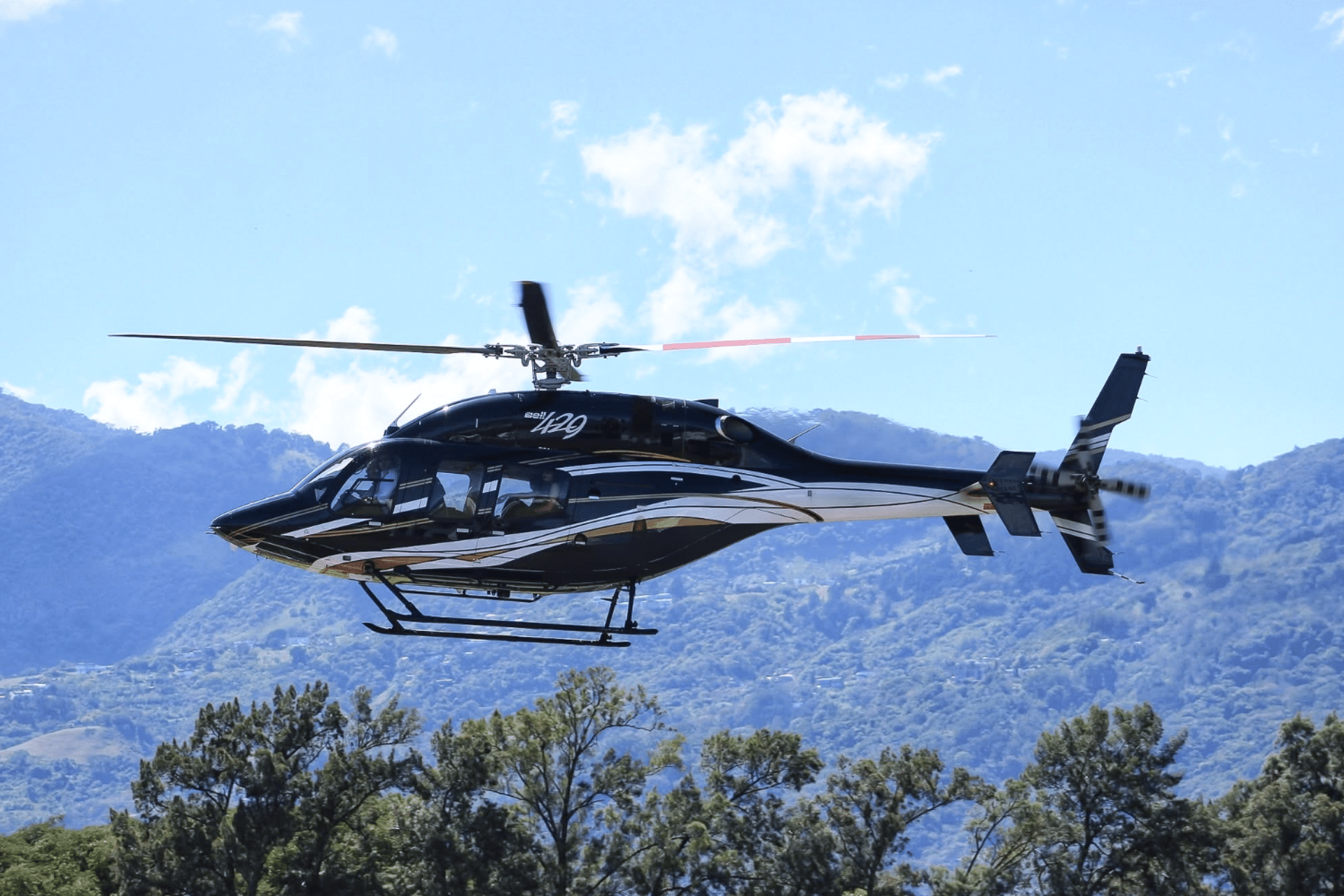

Luxury Airport Transfers Across Costa Rica


A delayed bag is inconvenient. Losing four or five hours of a carefully planned Costa Rica itinerary to traffic, road conditions, and multiple connections is something else entirely. Luxury airport transfers give travelers and business teams a more controlled way to move from an international arrival point to a resort, residence, meeting, lodge, or production location – with privacy, timing, and operational confidence built into the journey.
For the right itinerary, a private helicopter or airplane transfer is not simply a premium alternative to ground transportation. It is a practical decision about how time is used, how guests arrive, and how reliably a schedule can hold across the country’s varied geography.
What Defines a Luxury Airport Transfer?
A luxury transfer begins before departure. It is a planned movement between an airport and final destination, tailored to the passenger count, baggage requirements, arrival time, and destination conditions. The standard is not defined by an upscale vehicle alone. It is defined by preparation, discretion, and the ability to reduce unnecessary friction after a flight.
In Costa Rica, that often means choosing an aircraft transfer from San José or Liberia when the destination is in a region where road travel is long, indirect, or affected by weather and traffic. A flight can connect travelers to locations near the Pacific coast, northern plains, central highlands, or other areas that may take several hours to reach by road.
The best option depends on the mission. A couple traveling with light luggage to a remote luxury lodge has different needs from a corporate group with schedules to protect or a production crew carrying specialized equipment. The aircraft, departure point, landing site, and timing should reflect those realities rather than follow a fixed package.
Why Air Transfers Matter in Costa Rica
Costa Rica rewards travelers who venture beyond the arrival airport. Its leading resorts, private villas, nature lodges, and project sites are distributed across a landscape of mountains, coastlines, forests, and rural roads. That geography creates extraordinary experiences, but it can also turn a short distance on a map into a long day in transit.
A private air transfer changes the rhythm of arrival. Guests can move from an international terminal toward their destination while daylight remains, arrive with more energy, and preserve time for a meeting, a family dinner, or the first afternoon at a resort. For executives, the value may be even more direct: a same-day visit to a regional facility, followed by a return to San José or Liberia without building the entire schedule around ground travel.
There is also a privacy consideration. High-profile travelers, families, and corporate principals may prefer a transfer environment with fewer public touchpoints. That does not eliminate airport procedures or weather-related decisions, but it can create a more personal and deliberate travel experience.
Time Savings Are Valuable, Not Automatic
Private aviation can substantially shorten travel time, but responsible planning requires realistic expectations. Weather, daylight limitations, air traffic procedures, airfield availability, and passenger readiness all influence an itinerary. A reputable operator does not promise that every transfer will depart or arrive at an exact minute regardless of conditions.
Instead, luxury service means communicating clearly, monitoring conditions, coordinating details early, and adjusting intelligently when operational constraints arise. A transfer should feel well managed because the crew and operations team are prepared, not because safety considerations are overlooked.
The Arrival Experience Should Match the Destination
The transfer is part of the stay. A traveler arriving at a private coastal villa, an eco-lodge, or an executive retreat should not have to shift immediately into a complicated logistics exercise. When flights, ground connections, baggage, and destination coordination are considered together, the arrival feels intentional.
That may involve arranging a short private drive from a local airstrip to the property, aligning departure timing with hotel check-in, or selecting an aircraft that can accommodate the group and their luggage without compromise. Details that appear minor during booking often determine whether the first day feels relaxed or rushed.
Choosing Between Helicopter and Private Airplane Transfers
Helicopters and private airplanes serve different strengths. The right choice is based on where passengers need to go, not simply on which aircraft appears more exclusive.
A helicopter is particularly useful when proximity matters. It can provide direct access to approved helipads or landing areas closer to certain hotels, estates, and worksites, reducing the final ground segment. It also offers a remarkable visual perspective of Costa Rica’s terrain, from ridgelines and volcanoes to coastlines and rainforest. For travelers with a short stay, that added sightseeing value can make the transfer itself memorable.
Private airplanes are often the better fit for longer regional routes, groups requiring more cabin or baggage capacity, and destinations served by local airports. They can be an efficient choice when the priority is comfortable point-to-point travel over a greater distance.
Neither option is universally better. Helicopter transfers may be limited by landing-site availability and operational conditions. Airplane transfers may require a longer drive after landing. The best recommendation comes from matching the route, party size, luggage, timing, and preferred level of direct access to the available aircraft and infrastructure.
What to Expect From a Professional Operator
Premium travel should never be separated from aviation discipline. When selecting an operator, travelers and travel planners should look beyond the aircraft photographs and ask how the operation is managed.
Experience matters because local knowledge matters. An established operator understands the practical differences between routes, seasons, airports, and destination access. It can advise whether a transfer is suitable for a particular arrival time, anticipate baggage constraints, and build contingency thinking into the plan.
Certification and regulatory oversight should also be central to the decision. In Costa Rica, travelers should seek an operator authorized by the Dirección General de Aviación Civil, with operating practices aligned to applicable aviation standards. Aerotour, for example, brings operating experience dating to 1973, DGAC certification, and adherence to ICAO standards to private aviation services from bases in San José and Liberia.
Crew professionalism is equally important. Pilots and operational teams should be prepared to make conservative decisions when weather or conditions require them. For a discerning traveler, that judgment is not a reduction in service. It is one of the clearest signs of a serious aviation partner.
Planning a Transfer That Works
The most successful luxury airport transfers are arranged with enough information to avoid assumptions. Start with the international flight number, expected arrival time, number of passengers, and baggage profile. Include oversized items, sports equipment, production cases, and any special mobility requirements early in the conversation.
Next, clarify the true final destination. A resort name alone may not identify the most practical landing option or reveal the final ground-transfer time. Exact property location, preferred arrival time, and whether the journey is one-way or part of a multi-stop itinerary help the operator recommend the most effective plan.
It is also wise to protect the first and last day of a trip. International arrivals can be delayed, while departing passengers need appropriate time for airport procedures. An itinerary with realistic buffers is usually more valuable than one designed around an overly tight connection.
For corporate travel and production work, provide the purpose of the transfer. A leadership visit, site inspection, filming schedule, and equipment movement each create different priorities. A specialized operator can then determine whether passenger transport alone is appropriate or whether the mission requires additional aerial support, scheduling flexibility, or aircraft capability.
A Better Standard for Arrival
The purpose of a luxury transfer is not to make a journey look extravagant. It is to make it work at a higher standard. In a country where exceptional destinations can sit far beyond the main airports, private aviation can protect time, support privacy, and offer direct access that conventional travel cannot always provide.
When the planning is precise and the operator is chosen for safety, local capability, and sound judgment, the trip begins where it should: with confidence, not a long wait on the road.