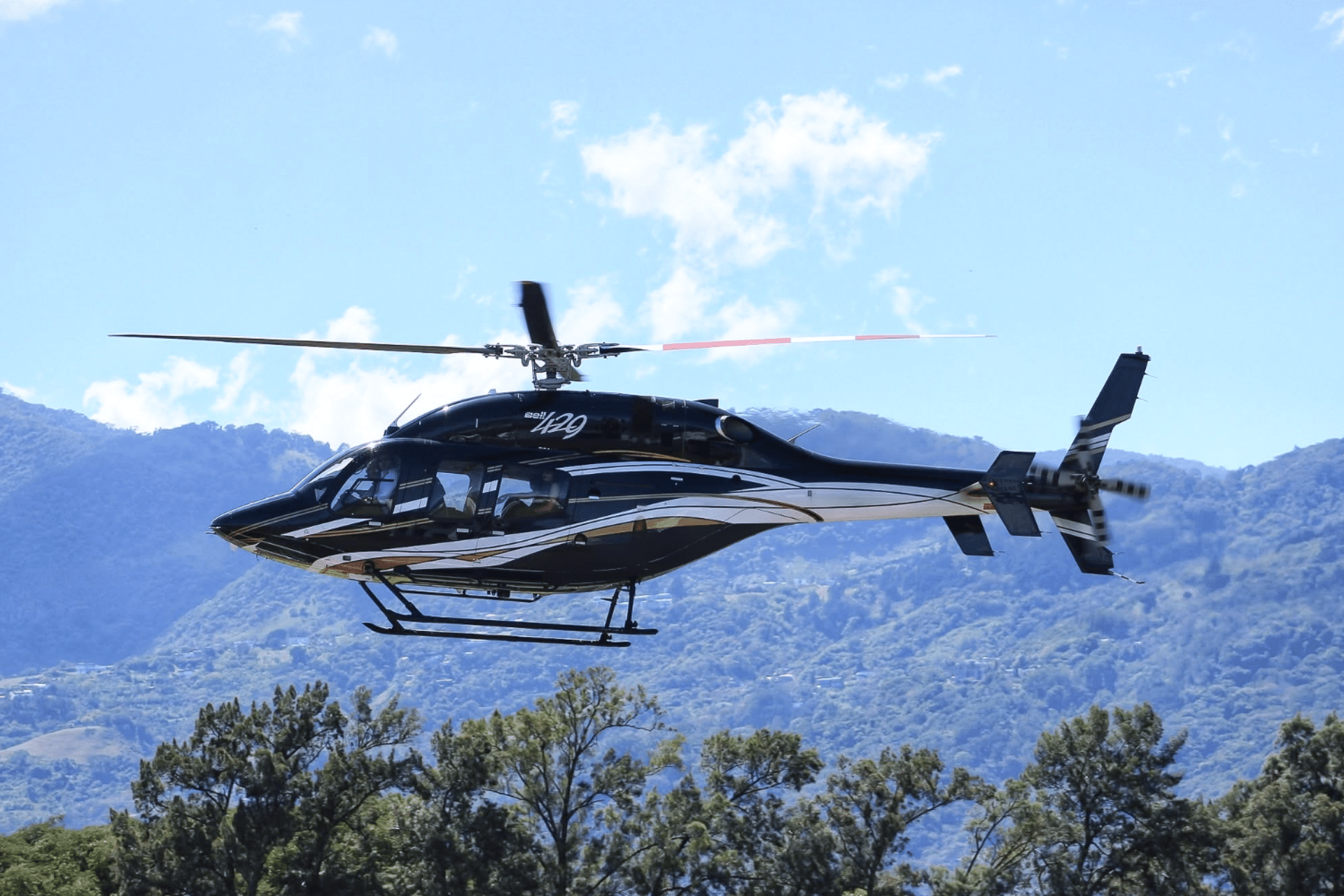

Why Choose a DGAC Certified Air Charter


When a flight needs to do more than simply get you from one airport to another, the operator behind it matters as much as the aircraft itself. A DGAC certified air charter gives travelers, executives, and production teams something essential before takeoff – confidence that the operation meets established aviation oversight, not just marketing claims.
In Costa Rica, private aviation often serves trips that commercial airlines do not handle well. That may mean reaching a remote destination without multiple ground transfers, moving a leadership team on a tight schedule, positioning a camera platform for aerial filming, or planning a helicopter transfer where timing and coordination matter. In each case, certification is not a detail in the background. It is part of the decision.
What a DGAC certified air charter actually means
DGAC refers to the civil aviation authority responsible for oversight of aviation operations. When an operator is certified, it means that its activities are conducted under regulatory approval and review rather than informal practice. For the customer, that matters because private aviation is built on trust. You are not buying a seat on a mass-market route. You are selecting an operator to manage aircraft, crews, maintenance, procedures, and mission planning on your behalf.
A DGAC certified air charter is generally expected to operate within defined standards covering aircraft airworthiness, pilot qualifications, maintenance controls, operating procedures, safety systems, and documentation. The exact scope depends on the type of operation, aircraft category, and mission profile. Still, the core point is clear: certification shows that the company is working inside a regulated framework.
That does not mean every certified charter is identical. Experience, fleet suitability, dispatch capability, local knowledge, and service quality still vary. Certification is the foundation, not the whole story. But without that foundation, clients are left relying on assurances that are far harder to verify.
Why DGAC certification matters in private charter
For many clients, private aviation is about convenience. For serious buyers, it is also about risk management. A charter flight may involve senior executives, family members, VIP guests, media equipment, or schedule-critical personnel. The cost of a poor operating decision can be measured in more than delays.
Choosing a DGAC certified air charter helps reduce uncertainty in a category where details matter. A certified operator is expected to maintain records, follow approved processes, and operate under regulatory scrutiny. That translates into practical advantages: more disciplined flight planning, clearer maintenance accountability, and stronger operational control.
It also matters when itineraries become more complex. Weather shifts, destination constraints, last-minute schedule changes, and specialized mission needs all put pressure on an operation. A capable certified operator is built to manage those variables systematically rather than improvising under pressure.
For clients traveling in Costa Rica, where mountains, coastlines, microclimates, and variable access points shape flight planning, that discipline becomes even more relevant. Private aviation in this environment rewards operators who know the territory and run with procedural consistency.
A premium charter should offer more than a private aircraft
There is a common misconception in the market that charter quality is defined mostly by cabin comfort or aircraft type. Those elements matter, especially for executive travel or high-end leisure itineraries, but they are only part of the value.
The stronger differentiator is the operation behind the flight. A premium charter provider should be able to coordinate schedules accurately, assess route feasibility, match the right aircraft to the mission, brief clients clearly, and adjust when conditions change. That level of service depends on experience and operating structure as much as customer care.
This is where certification and long-term operating credibility begin to work together. An operator with regulatory standing, established procedures, and years of local flight experience is in a better position to deliver both safety and responsiveness. That combination is especially important for clients who do not have time to manage aviation details themselves and expect the provider to handle them correctly.
How to evaluate a DGAC certified air charter provider
Not every buyer needs to ask technical questions in aviation language, but serious charter clients should know what to look for. A provider should be able to explain its certification status clearly and discuss how it manages operations, maintenance, and crew standards. Evasive answers are usually a bad sign.
It is also worth looking at operational history. Longevity does not guarantee quality on its own, but it often signals organizational discipline, established infrastructure, and market trust. In a specialized category like private aviation, years of sustained service are meaningful.
Mission fit is another key factor. A company that handles executive transfers, scenic flights, aerial filming, and specialized support may offer strong versatility, but only if it has the right fleet and planning capability. The right operator should understand that a corporate airport transfer is not planned the same way as a tourism itinerary or a production flight.
Local coverage also matters more than many clients expect. Operators with strategic bases can often respond faster, position aircraft more efficiently, and support a wider range of routing needs across Costa Rica. That can affect both scheduling convenience and overall charter value.
DGAC certified air charter for business travel
For business aviation clients, time is usually the first reason to charter. The deeper reason is control. Commercial schedules rarely align perfectly with site visits, executive roadshows, inspections, or multi-stop itineraries. A private aircraft allows the day to be built around the mission rather than the other way around.
A DGAC certified air charter adds the governance that corporate travelers and executive assistants often need when arranging high-value travel. It provides a stronger basis for internal approval because the operator is functioning under recognized aviation oversight. That becomes especially useful when transporting leadership teams, international guests, or clients whose schedules cannot absorb avoidable disruption.
There is also a reputational side to the decision. Companies are increasingly careful about vendor selection in every high-trust category. Private aviation is no exception. Working with a properly certified charter operator shows a more disciplined procurement approach than choosing based on availability alone.
DGAC certified air charter for leisure and tourism
Leisure travelers may approach charter from a different angle, but the underlying priorities are similar. Privacy, convenience, and access are major advantages, especially in a destination like Costa Rica, where a short flight can replace a long overland transfer.
For these travelers, a DGAC certified air charter offers reassurance that the experience is not only exclusive but professionally operated. That distinction matters when booking helicopter transfers, scenic flights, or custom regional itineraries. Luxury is more convincing when it is supported by operational credibility.
It also improves the overall travel experience. Guests can focus on the destination, the views, and the efficiency of private flight rather than wondering whether the service is being delivered by a properly established operator. For families, couples, and high-end travel planners, that peace of mind has real value.
Specialized missions require certified discipline
Some charter requests go beyond passenger transport. Aerial filming, photography, survey work, and industrial support flights place different demands on aircraft, crews, and flight planning. These missions often involve tighter coordination, more variables, and greater operational complexity.
That is where certification becomes even more meaningful. A provider supporting specialized aerial work should be able to operate with clear procedures, strong communication, and mission-specific awareness. Production teams, for example, need more than access to an aircraft. They need pilots and planners who understand shot requirements, timing constraints, airspace considerations, and the balance between flexibility and safe execution.
This is one reason experienced operators stand apart. In specialized aviation, technical credibility is not a branding extra. It is part of the service itself.
The best charter decision is informed, not rushed
A private flight may be booked quickly, but the choice of operator should never be casual. A DGAC certified air charter gives clients a more reliable starting point because it reflects regulatory oversight, operational accountability, and a higher standard of aviation discipline.
For some trips, that may be the deciding factor. For others, it is one part of a broader evaluation that includes aircraft type, mission suitability, local experience, and service responsiveness. Either way, certification is not a box to skim past. It is one of the clearest indicators that an operator is built to deliver private aviation with the seriousness the mission deserves.
In a market where time, safety, and discretion all carry weight, the smartest charter choice is usually the one backed by proven standards before the engine even starts.