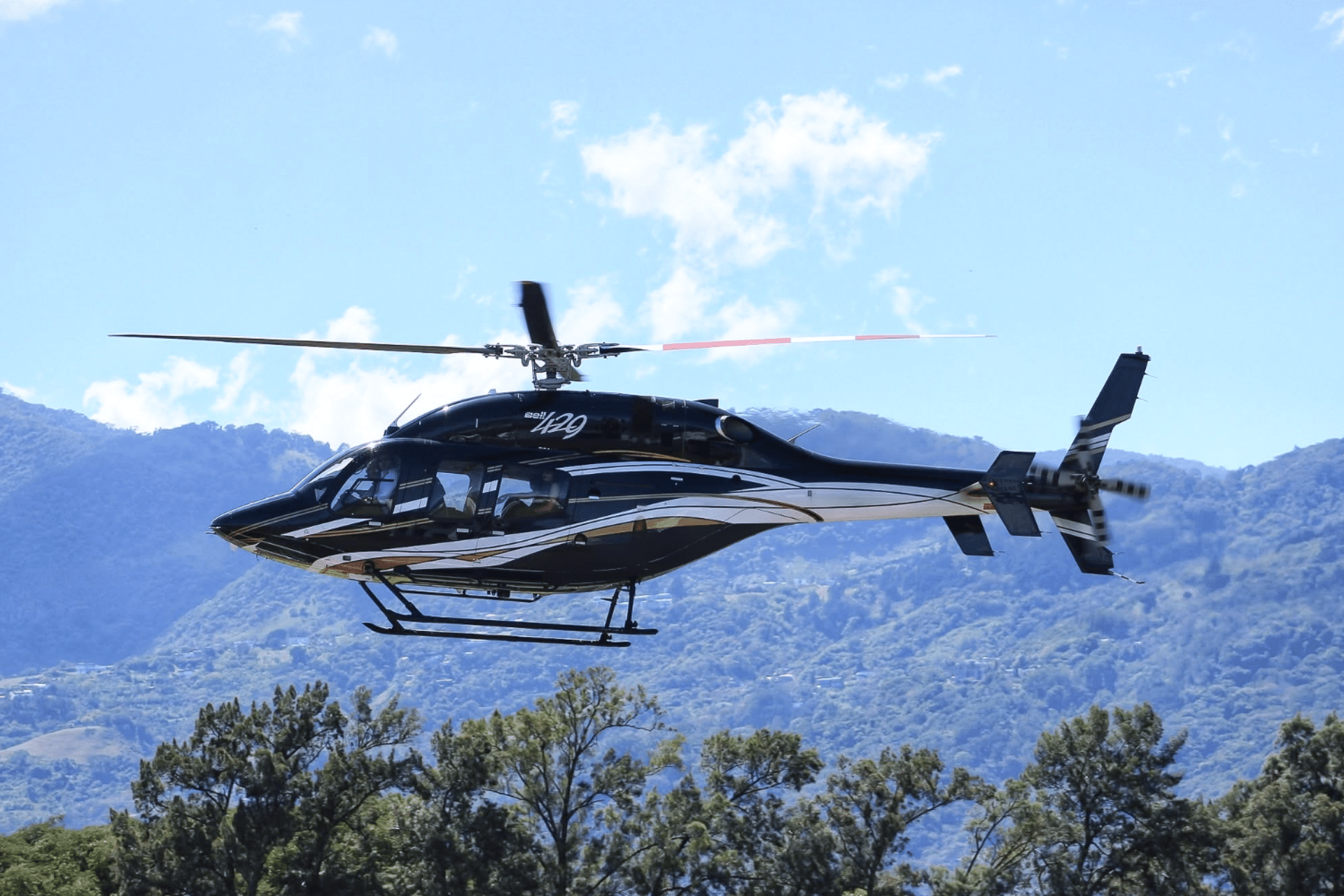

Sustainable Aviation Fuel Adoption Takes Flight

A charter flight can save hours between San José, Guanacaste, remote lodges, production locations, and business destinations. That advantage comes with a question more travelers and organizations are asking before they book: how can aviation reduce its climate impact without compromising safety, range, or operational reliability? Sustainable aviation fuel adoption is central to the answer, but it is not a simple switch that every aircraft or airport can make today.
For private aviation clients, the subject matters because charter decisions are increasingly evaluated beyond schedule and cabin experience. Corporate travel policies, production sustainability requirements, investor expectations, and personal values are all influencing how flights are planned. The practical approach is to understand what sustainable aviation fuel can deliver now, where its limits remain, and how a thoughtful operator can help align mission requirements with responsible travel choices.
What Sustainable Aviation Fuel Changes
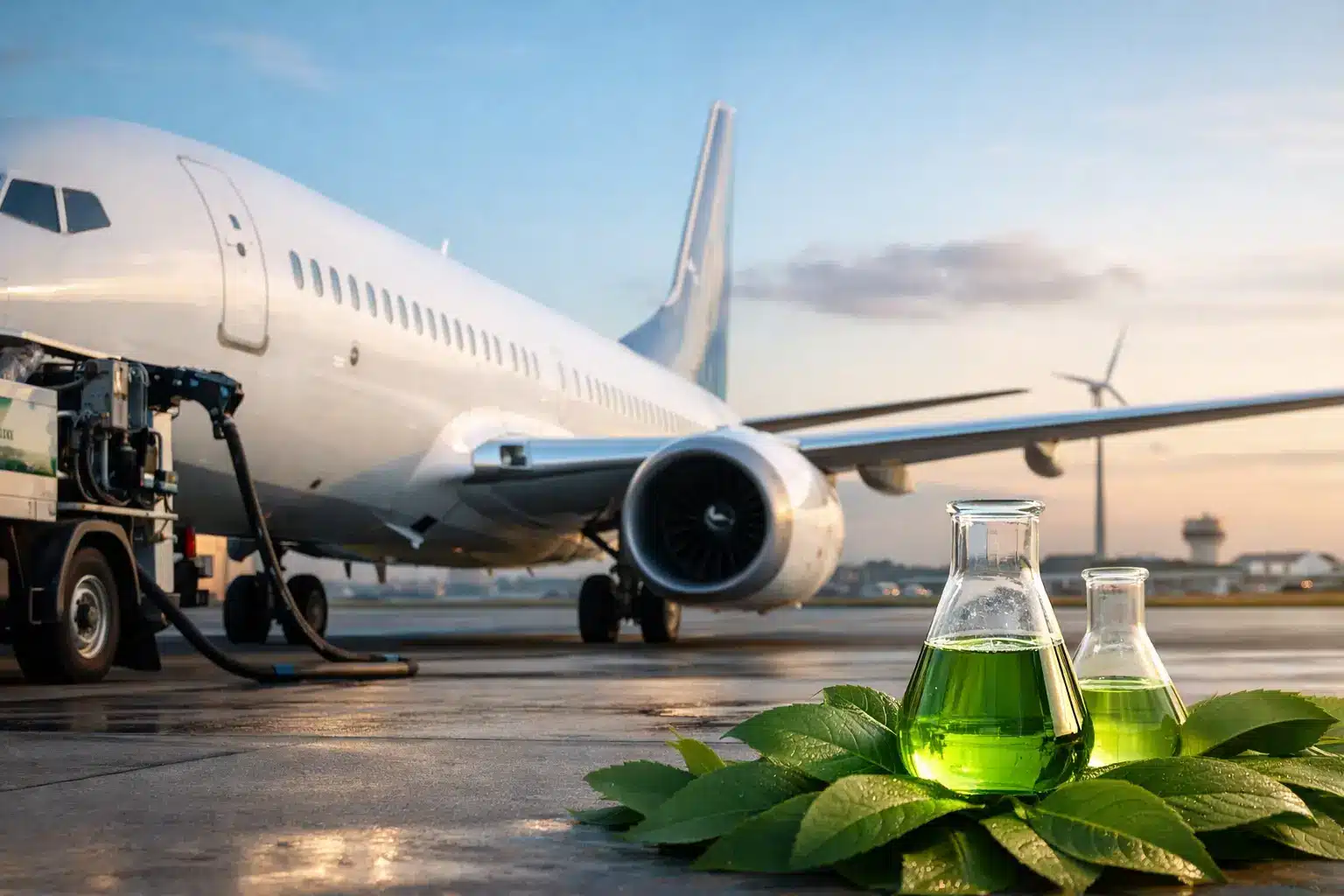
Sustainable aviation fuel, commonly called SAF, is an aviation fuel produced from renewable or waste-based feedstocks rather than conventional fossil crude oil. Depending on the approved production pathway, feedstocks may include used cooking oil, agricultural residues, municipal waste, or other renewable sources. It is designed as a drop-in fuel, meaning it can be blended with conventional jet fuel and used in approved aircraft, engines, and airport fuel systems without changing the fundamental flight operation.
Its value lies in lifecycle emissions. While burning SAF in a turbine engine still produces carbon dioxide, its full lifecycle carbon intensity can be materially lower than that of fossil jet fuel. The precise reduction depends on how the fuel is made, the feedstock used, the energy powering production, and the logistics required to deliver it. Claims therefore need to be specific. SAF is a meaningful decarbonization tool, not an emissions-free flight.
This distinction is especially relevant for private charter. A direct aircraft transfer may eliminate time-consuming connections or ground travel, but it does not remove the environmental impact of flying. When SAF is available and properly accounted for, it can reduce the lifecycle footprint associated with that flight while preserving the performance, flexibility, and safety standards clients expect.
Why Sustainable Aviation Fuel Adoption Is Accelerating
The aviation industry has few immediate alternatives to liquid fuel for long-range, high-utilization operations. Battery-electric aircraft may serve limited routes as technology develops, while hydrogen has potential in selected future applications. Neither is currently positioned to replace conventional turbine operations across the broad range of helicopters, turboprops, and business aircraft used for charter missions.
SAF addresses the fleet that is already flying. That is its most important advantage. Airlines, business aviation operators, manufacturers, fuel suppliers, airports, and corporate travelers can begin reducing lifecycle emissions without waiting for an entirely new generation of aircraft to enter service.
Demand is also being shaped by procurement. A company may have travel emissions targets that include executive transportation. A film production may need to document lower-carbon practices for a client or studio. A luxury hospitality group may want its guest journey to reflect wider sustainability commitments. In each case, the traveler is not necessarily asking for a different aircraft. They are asking for better fuel options and credible reporting.
Regulation is adding momentum in some major aviation markets, particularly where fuel suppliers face blending requirements or emissions-related obligations. These policies can stimulate investment, but they do not solve the supply challenge overnight. Production capacity, feedstock availability, certification pathways, and fuel distribution infrastructure all take time to scale.
The Constraint Is Supply, Not Aircraft Capability
Many modern turbine aircraft can operate with approved SAF blends. The larger obstacle is whether the fuel can be physically supplied at the departure airport on the day of the mission. SAF remains a small share of global jet fuel production, and it is often concentrated at select airports or supplied through limited commercial programs.
For flights connected to Costa Rica, availability can vary by airport, supplier arrangements, and international routing. A client departing from or arriving through a major hub may have more direct opportunities than one operating solely through a regional location. For that reason, it is wise to ask about SAF early in the planning process, especially for missions with fixed schedules, multiple legs, or specialized aircraft requirements.
Price is another consideration. SAF generally carries a premium over conventional jet fuel because production volumes are lower and supply chains are still developing. Whether that premium is absorbed by an organization, shared with a client, or addressed through a broader environmental budget depends on the mission. There is no single right answer. For a time-critical executive trip or aerial production day, reliability and aircraft suitability may remain the first operational priorities.
Direct Fuel Use and Book-and-Claim
There are two distinct ways a client may support SAF use. The first is physical uplift: SAF is blended into the fuel supply at the airport where the aircraft is fueled. This is the most intuitive model because the fuel is connected directly to the flight operation.
The second is book-and-claim. Under this model, SAF is used somewhere in the aviation fuel system, while the environmental attributes associated with its lifecycle emissions reduction are allocated to a buyer elsewhere. This can expand access for clients flying from airports without a physical SAF supply, provided the program uses credible accounting and avoids double counting.
Book-and-claim is useful, but it requires clear documentation. Clients should understand the feedstock and production pathway when available, the claimed lifecycle reduction methodology, the volume associated with their purchase, and whether the environmental attribute has been retired exclusively on their behalf. Vague claims such as “green flight” do not provide the transparency that corporate sustainability teams and discerning travelers deserve.
What Responsible Flight Planning Looks Like
SAF should be part of a wider operating conversation, not a substitute for sound mission planning. The most responsible charter is one that meets the client’s needs with the appropriate aircraft, route, payload, and schedule.
Aircraft selection matters. Using a helicopter for a short transfer to a remote property can be operationally appropriate where ground access is difficult, while a fixed-wing aircraft may be more efficient for longer regional travel. Carrying unnecessary weight, flying an oversized aircraft for a small group, or adding avoidable repositioning legs can increase fuel use regardless of the fuel type.
Mission coordination also makes a difference. Flexible departure windows may reduce empty positioning. Well-planned ground transfers can prevent duplicate travel. Combining aerial filming objectives into a single flight sequence can reduce repeated setups and transit legs. These are not dramatic changes, but aviation emissions are shaped by operational details.
A qualified operator should be prepared to discuss aircraft capability, routing constraints, fuel availability, weather considerations, payload requirements, and the documentation available for any SAF-related claim. Safety remains non-negotiable. No sustainability preference should pressure a crew to accept inadequate fuel reserves, unsuitable weather, or an aircraft configuration that is not appropriate for the mission.
Questions Worth Asking Before You Charter
When SAF is part of a travel or production requirement, ask whether physical SAF is available at the planned departure location and whether the aircraft can accept the available blend. If direct uplift is not possible, ask whether a book-and-claim option is available and what verification supports it.
It is also useful to ask how the proposed aircraft compares with alternatives for passenger count, baggage, range, and mission profile. A smaller aircraft is not automatically the better choice if it requires an additional fuel stop, cannot carry essential equipment, or creates a safety or scheduling compromise. The best option is the one that accomplishes the mission efficiently and reliably.
For organizations that need internal reporting, request clear records of flight hours, aircraft type, route, fuel-related charges, and any SAF environmental attributes purchased. Good documentation supports credible sustainability reporting and helps avoid overstating the benefit of a single trip.
A Practical Path Forward for Private Aviation
Private aviation will not decarbonize through one measure alone. Fleet modernization, operational efficiency, infrastructure investment, credible carbon accounting, and future propulsion technologies will all have roles to play. Yet SAF is the most actionable fuel-side solution available for many turbine flights now.
For a safety-driven charter operator such as Aerotour, the priority is to pair that progress with disciplined planning. Clients should not have to choose between responsible intent and operational confidence. They should receive a clear view of what is available, what can be verified, what it costs, and what the mission requires.
As supply expands, sustainable aviation fuel adoption will become less exceptional and more routine. Until then, the strongest choice is an informed one: plan precisely, ask for transparent fuel information, select the aircraft that fits the mission, and treat every flight as an opportunity to make a more considered aviation decision.