
Remote Destination Flight Guide for Costa Rica


A remote destination is rarely difficult because it is far away. It is difficult because the final miles demand more planning than the flight itself. A coastal lodge, rainforest retreat, private estate, production location, or industrial site may sit beyond commercial schedules, long road transfers, and predictable ground access. This remote destination flight guide explains how to plan that journey with the level of preparation private aviation requires.
For travelers and organizations moving through Costa Rica, the right flight solution can turn an all-day transfer into a direct, private itinerary. The result is not simply speed. It is greater control over timing, privacy, luggage, ground coordination, and access to locations that do not fit a standard airline route.
Start With the Destination, Not the Aircraft
The most effective charter planning starts with a precise destination profile. Before selecting an aircraft, establish where you need to arrive, where you can safely land, how many people and bags are traveling, and what must happen after touchdown.
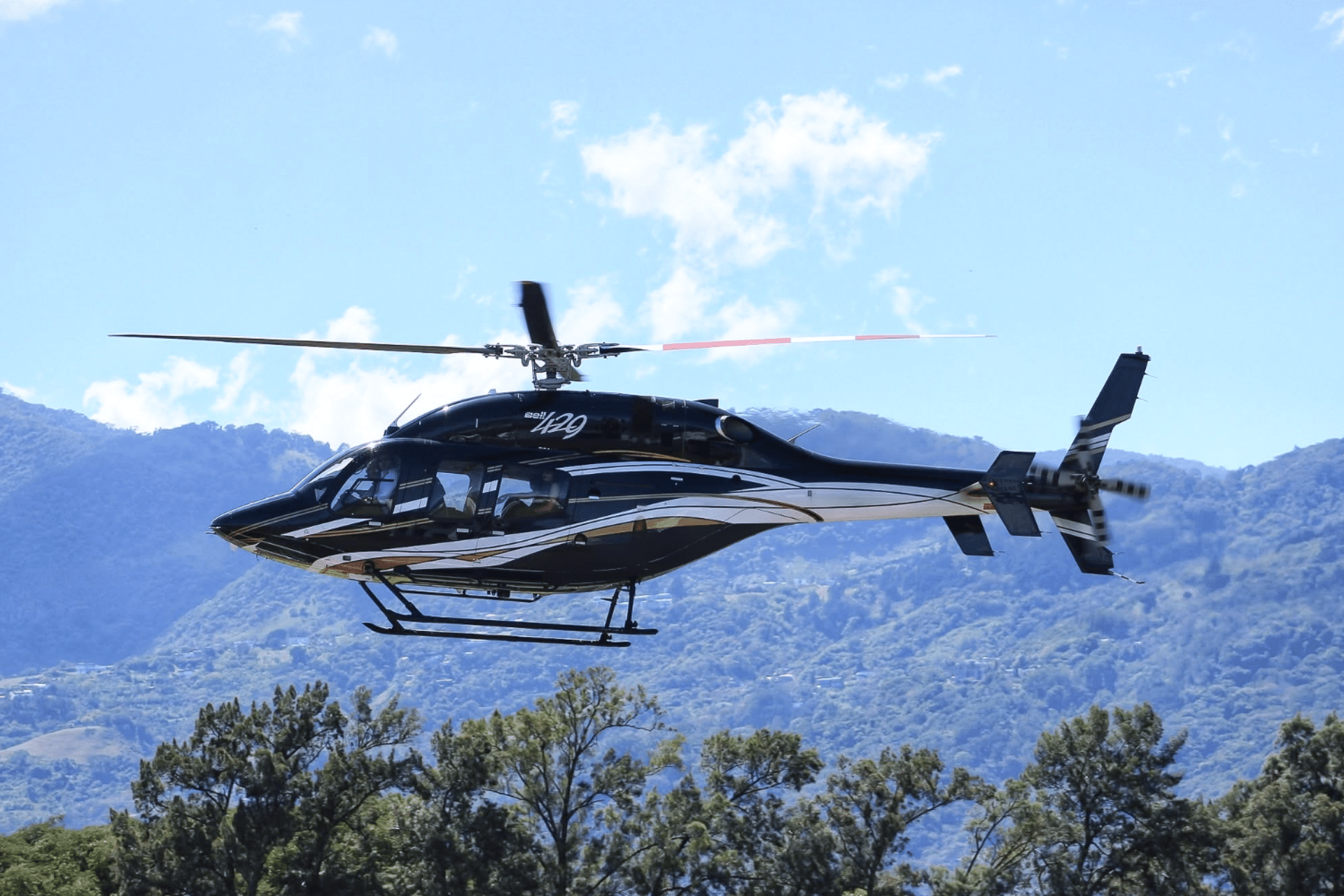
A private aircraft is often the best choice for regional airport-to-airport travel, particularly when the destination has a suitable runway and the group needs room for luggage, equipment, or several passengers. A helicopter may be the more direct option when the itinerary involves a remote lodge, a private property, a site survey, or a location where a properly evaluated landing area can reduce a lengthy road journey.
These decisions should be based on operational facts rather than appearances on a map. A destination that looks close to San José or Liberia may require a long ground transfer through mountain roads, river crossings, or seasonal road conditions. Conversely, a location that appears remote may be highly practical by air if local infrastructure and operating conditions support the flight.
Confirm the Last-Mile Plan
Arrival is only one part of the mission. A well-built itinerary accounts for the vehicle, boat, host representative, security arrangements, or equipment handling required after landing. For executive travel, that can mean a discreet vehicle waiting at the airport. For a remote resort, it may mean coordinating with the property’s transfer team. For a filming or industrial assignment, it may include staging crew, cases, fuel, permits, and communications at the site.
When the last-mile plan is unclear, time saved in the air can be lost on the ground. Confirm names, contact details, pickup timing, vehicle capacity, and contingency arrangements before departure.
Match the Flight Type to the Mission
Private aviation is not one service category. The best aircraft for a family traveling to a coastal retreat may not be appropriate for a leadership team visiting multiple sites in one day or a production crew carrying camera equipment.
Fixed-wing charter is generally suited to longer regional sectors, airport-to-airport transfers, and groups with significant luggage. It can provide a comfortable and efficient way to connect Costa Rica’s principal gateways with regional destinations, subject to runway suitability, aircraft availability, weather, and operating restrictions.
Helicopter charter is particularly valuable when direct access matters more than cabin volume. It can eliminate indirect road routes and support point-to-point travel to approved landing areas. Helicopters are also valuable for aerial photography, filming, inspections, surveys, and mission-specific work where the aircraft itself is part of the operational solution.
The trade-off is straightforward: helicopters offer exceptional access but have tighter payload, baggage, weather, and landing-site considerations than many fixed-wing aircraft. An experienced operator will explain these constraints early, rather than promising a routing that later proves impractical.
Remote Destination Flight Guide: Information to Provide
A charter provider can produce a more accurate plan when the initial request includes more than dates and passenger count. Provide the exact destination or coordinates, preferred departure point, desired arrival time, return requirements, number of travelers, estimated baggage, and any unusual items such as golf bags, medical equipment, camera cases, samples, or field gear.
For business and technical missions, explain the purpose of the flight. Aerial filming, survey work, infrastructure support, and executive transfers each have different requirements. Production teams may need door configuration, communication between air and ground personnel, specific flight profiles, or enough time to capture a location during favorable light. A site-support mission may require multiple rotations, cargo planning, or an aircraft positioned near the work area.
This detail is not administrative overhead. It allows the operator to assess aircraft fit, crew planning, required permissions, landing options, and realistic timing. It also helps prevent last-minute changes that can affect cost or feasibility.
Treat Weather as an Operating Factor, Not a Footnote
Costa Rica’s landscapes are one reason the country is remarkable from the air. Mountains, coastlines, rainforest, and changing microclimates also make weather assessment central to flight planning. Conditions can differ sharply between departure and destination, and they can shift during the day.
A professional flight plan considers visibility, cloud cover, wind, rainfall, airport conditions, daylight, and alternate options. During wetter months, travelers should allow flexibility around departure timing and avoid building a critical connection around a narrow margin. A private charter offers more control than a commercial itinerary, but it does not remove the need for sound aviation judgment.
For that reason, the best question is not, “Can we fly no matter what?” It is, “What is the safest practical plan if conditions change?” That conversation should cover alternate landing points, ground-transfer contingencies, overnight options when relevant, and how the operator communicates updates.
Evaluate Safety and Local Operating Experience
Remote access should never mean relaxed standards. Travelers should select an operator with recognized aviation oversight, appropriately qualified crews, established maintenance procedures, and experience in the specific regions and mission types being requested.
Ask how the operator evaluates landing sites, handles changing weather, manages passenger and baggage weight, and coordinates with local airports or destination teams. For specialized flights, ask about mission experience. A scenic flight, an executive transfer, and an aerial production platform each require different operational discipline.
Costa Rica’s aviation environment rewards local knowledge. Aerotour brings operating experience dating to 1973, DGAC certification, and adherence to ICAO standards to private charter and specialized aerial operations. Its bases in San José and Liberia support practical coverage across key business and tourism corridors, while mission planning remains tailored to the destination and aircraft requirements.
Credentials matter because they provide a foundation for trust. They should also be paired with clear communication. A premium operator should be direct about what is possible, what depends on conditions, and what alternatives protect the client’s schedule when the original plan changes.
Plan for Privacy, Pace, and Passenger Comfort
The value of private flight is often felt before the aircraft departs. Travelers can avoid the fixed timing, crowded terminals, and indirect routings associated with commercial travel. For executives, this can create useful working time and allow several destinations to be reached in a single day. For leisure travelers, it can preserve more of the trip for the destination rather than the transfer.
Still, premium service is not only about a faster departure. It is about anticipating the details that affect the experience: secure handling of luggage, family seating needs, refreshments when appropriate, assistance for older passengers, coordination with hosts, and a return flight scheduled around the actual rhythm of the stay.
Be candid about passenger needs. If someone has limited mobility, requires extra assistance boarding, or is traveling with young children, share that information early. The same applies to dietary preferences, sensitive business equipment, and special arrival requests. Good planning makes discretion feel effortless without assuming that every request has the same operational solution.
Build Flexibility Into the Return Journey
Remote locations can make a return leg more variable than an outbound transfer. A meeting may run late, a boat transfer may be delayed, weather may change, or a production day may need an additional hour of light. When the flight is mission-critical, discuss flexibility before confirming the itinerary.
That may mean reserving a realistic departure window, identifying a backup pickup point, or arranging a secondary ground option. For multi-day itineraries, ask whether the aircraft and crew will remain positioned nearby or return to base. Each approach has implications for cost, availability, and response time, so the appropriate choice depends on how fixed the schedule truly is.
A remote flight works best when it is treated as part of the destination operation, not as a separate transport detail. Share the full itinerary, leave room for responsible decision-making, and choose a team that understands both the appeal and the realities of reaching Costa Rica’s most exceptional places.