
Aerial Filming Review: What Production Teams Need

Aerial filming review begins long before the cameras roll. In Costa Rica, a compelling shot may require a low pass along a remote coastline, a controlled orbit around a resort, or a precise approach over rainforest terrain where weather can change quickly. The difference between striking footage and an expensive delay is rarely the camera alone. It is the quality of aviation planning behind it.
For directors, producers, agencies, and location teams, aerial work should be assessed as both a creative service and a flight operation. The right partner brings a suitable aircraft, an experienced crew, clear coordination, and the operational discipline to protect the schedule without compromising safety.
What a Strong Aerial Filming Service Delivers
Aerial filming is not simply sightseeing with professional equipment onboard. Production flights demand a different level of preparation. The aircraft must be selected around the shot requirements, passenger and equipment weight, fuel range, landing options, and the conditions expected at the location.
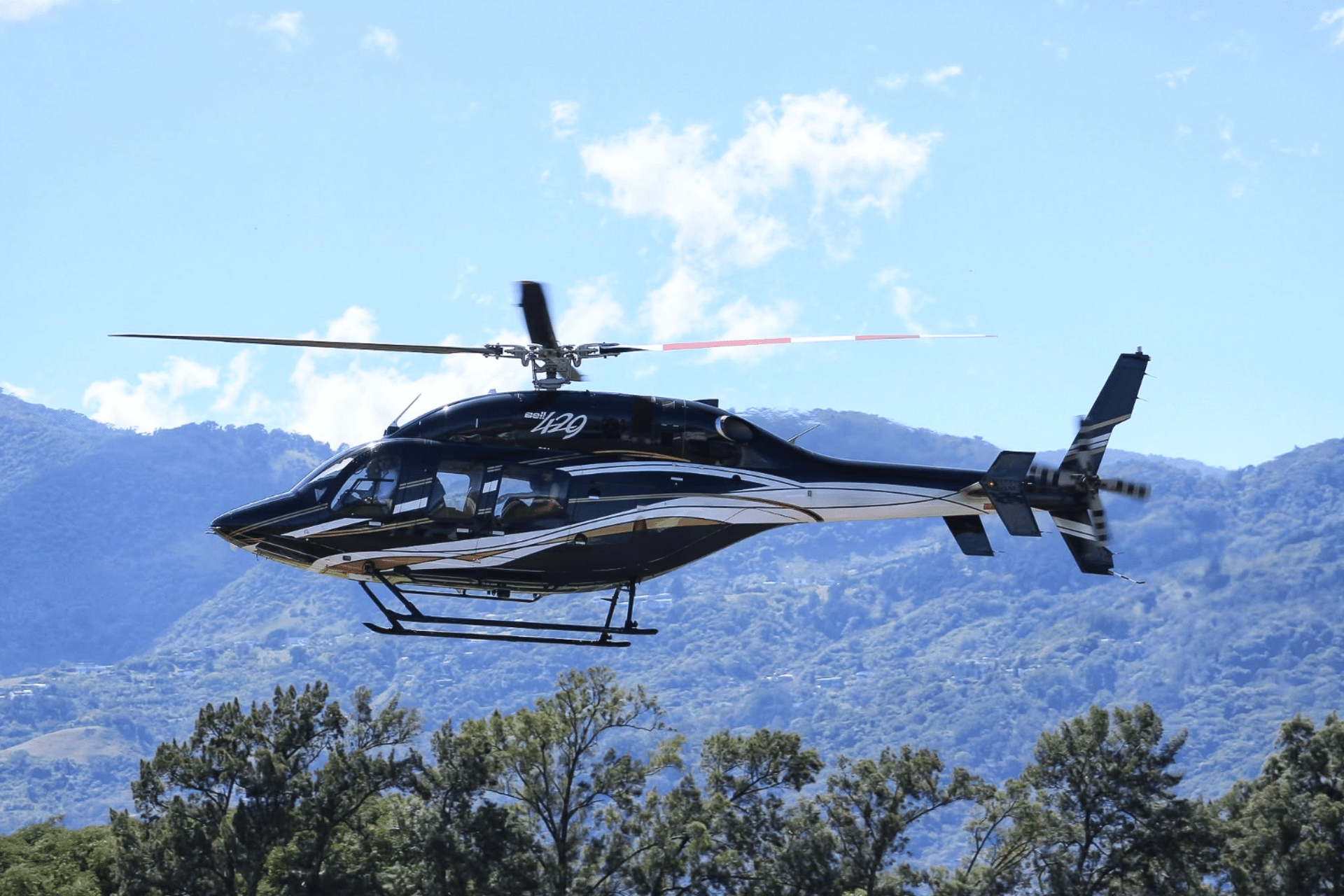
A helicopter is often the preferred platform when the brief calls for close terrain work, slower movement, hovering capability, or access to areas without conventional runway infrastructure. It can support establishing shots of coastlines, hotels, private estates, forests, construction projects, and events while keeping the production team close to the action. A fixed-wing aircraft can be the better choice for broad landscapes, longer distances, higher-altitude imagery, or efficient coverage between regions.
The strongest providers do not force every brief into one aircraft type. They begin with the production objective: what must be captured, where it will be captured, how long the camera team needs in the air, and whether the sequence requires repeated passes or a moving subject. From there, they build a flight plan that respects the creative intent and the operational realities.
Aerial Filming Review: The Factors That Matter Most
A polished reel can show what a company has filmed. It does not necessarily show how reliably it can support your shoot. A useful aerial filming review should look beyond the final images and assess the conditions that make those images possible.
Aviation credentials and operating history
Aerial production places camera teams, equipment, and aircraft in a highly coordinated environment. That makes operating standards central to the decision. Look for a provider with recognized aviation certification, experienced pilots, formal safety procedures, and a demonstrated history of operating in the country where the project will take place.
Costa Rica presents a varied operating environment. Coastal winds, mountain weather, changing visibility, and remote locations all influence flight planning. A locally established operator understands the practical implications of these conditions, including realistic routing, alternate options, fuel planning, and timing.
Aerotour brings operating experience dating to 1973, DGAC certification, and adherence to ICAO standards to specialized aerial operations. For a production team, those credentials provide more than reassurance. They indicate an organization built around the discipline required to make informed decisions when conditions, schedules, or locations change.
Aircraft suitability, not just availability
An available aircraft is not automatically the right aircraft. The filming platform should match the movement, framing, payload, and duration required by the brief. Cabin layout, door configuration, communication capability, camera mounting requirements, and usable weight all deserve attention before a shoot date is confirmed.
For example, a compact helicopter can be highly effective for a small camera team capturing dynamic coastal or urban sequences. Yet a larger platform may be required when the assignment includes multiple crew members, specialized stabilized equipment, or extended time on location. The trade-off is straightforward: added capacity can improve production capability, but it may affect access, operating cost, and the locations from which the aircraft can work.
A professional operator should be direct about those trade-offs. If a requested shot is impractical under the anticipated conditions, that should be identified early, along with alternatives that preserve the intent of the sequence.
Crew coordination and communication
The most efficient aerial shoots rely on a shared language between the pilot, aerial coordinator, director, camera operator, and ground team. Before departure, everyone should understand the route, shot priorities, altitude limitations, expected maneuvering, communication procedures, and clear stop conditions.
This preparation matters particularly when filming a moving vehicle, vessel, talent, or event. Ground-based production timing and airborne timing do not always align. Traffic, weather, lighting, and airspace considerations can shift the window for a shot. An experienced flight crew helps the production team plan for those variables instead of treating them as surprises.
Clear communication also supports better creative decisions. When a director knows how many passes are feasible, where the aircraft can position safely, and what the weather is doing beyond the immediate set, the team can prioritize the shots that matter most.
Safety Is Part of the Creative Process
Aerial filming can feel highly controlled when the final footage is smooth and cinematic. The operation behind it is controlled because the crew has accounted for limits. Weather minimums, weight and balance, restricted areas, landing permissions, aircraft performance, and airspace coordination are not administrative details. They determine what can be delivered safely.
Production teams should be cautious of promises that sound unrestricted. The right aviation partner will work hard to find solutions, but will not disregard weather, regulatory requirements, or aircraft limitations to meet a preferred camera angle. This is especially relevant in Costa Rica, where microclimates can create different flying conditions only a short distance apart.
A practical weather plan should include flexible sequencing. If clouds or rain affect a mountain location in the morning, a coastal sequence may offer a better alternative later in the day. If visibility narrows, a flight may need to be delayed or reconfigured. Building contingency into the schedule protects both the project and the people involved.
Planning the Brief Before Flight Day
The best time to solve an aerial filming challenge is during preproduction. A concise but detailed brief allows an operator to advise on aircraft choice, flight duration, crew capacity, permissions, timing, and operational feasibility.
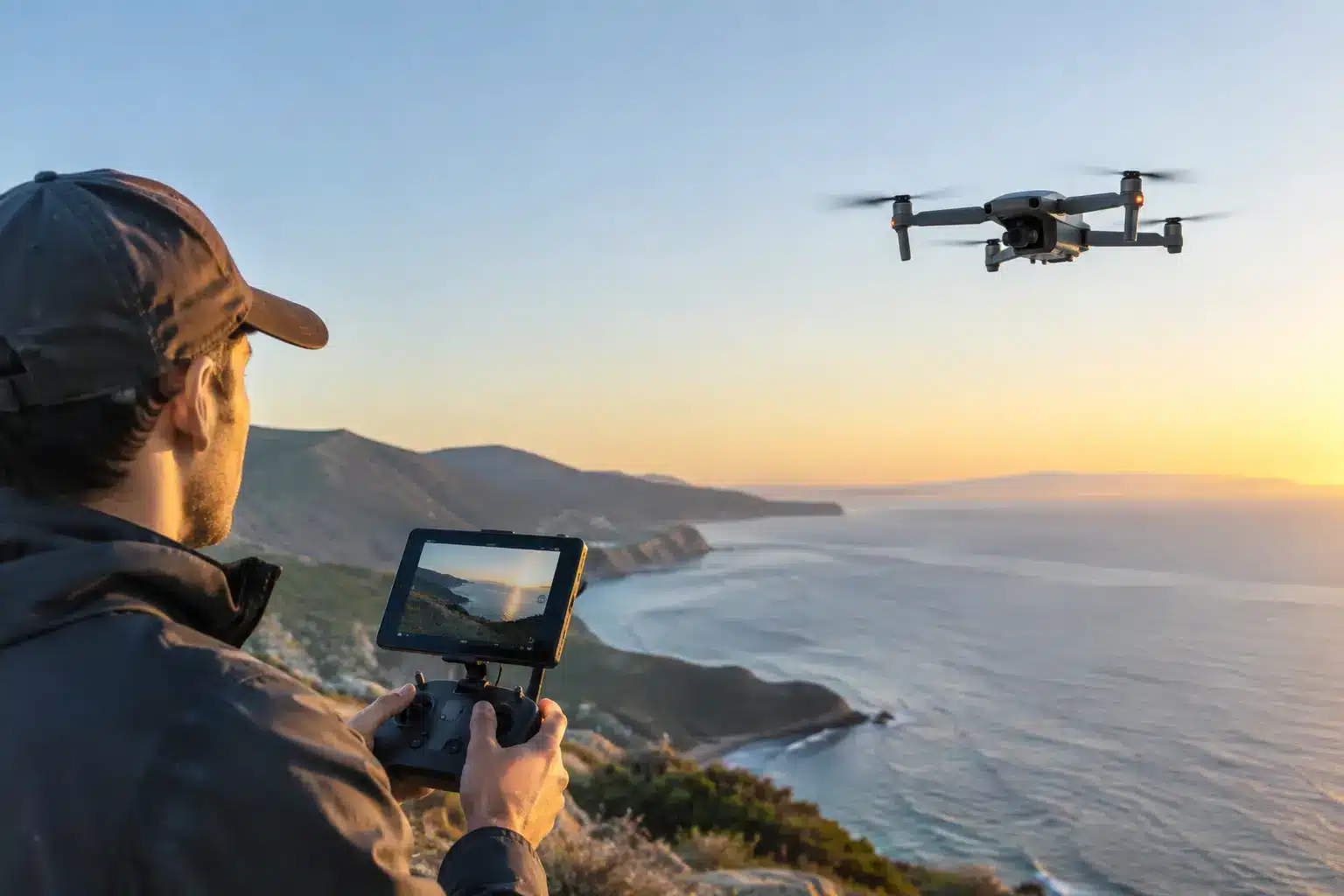
The brief should state the desired locations, proposed dates, estimated hours in the air, number of passengers, equipment type, and the visual objective for each sequence. It should also identify whether the shoot includes drones, boats, vehicles, talent, pyrotechnics, or ground operations that require coordination. These details can change the aircraft plan significantly.
It is equally useful to distinguish essential shots from preferred shots. A production may want a sunrise pass over a volcanic ridge, a hotel reveal, and a tracking shot along the Pacific coast. If changing weather reduces the available window, the flight crew and director can protect the highest-priority material first rather than making decisions under pressure.
For international productions, local support has added value. An operator with bases positioned near key business and tourism corridors can help reduce unnecessary repositioning and improve access to locations. That may save time on the ground, but more importantly, it can create additional flexibility when the light or weather is right.
Evaluating Cost Without Losing Sight of Value
Aerial filming is a premium production service, and price comparisons can be misleading when the scopes are not alike. A quote may differ because of aircraft category, positioning, crew requirements, filming configuration, location complexity, standby time, or permits. The lower estimate is not always the lower-risk option.
Ask what is included in the planned flight time, how weather delays are handled, whether repositioning is required, and what support is available if the brief changes. A transparent proposal should explain the operational assumptions behind the price.
There are occasions when a more economical approach makes sense. A short scenic capture sequence with a small crew may not require a dedicated full-day aircraft commitment. Conversely, a campaign shoot with limited talent availability and demanding locations may justify holding aircraft time to protect the schedule. The right approach depends on the cost of missing the shot, not only the hourly rate.
The Standard to Expect
An aerial filming partner should bring calm, precise judgment to a fast-moving production environment. The goal is not merely to put a camera in the air. It is to create the conditions for exceptional footage through appropriate aircraft, expert pilots, careful coordination, and an honest understanding of what the operation can support.
When the flight plan is built around the story, the location, and the real operating conditions, the aircraft becomes more than transportation. It becomes a dependable production platform, ready to capture Costa Rica from the perspective the project deserves.