
Costa Rica Aerial Photography Flights

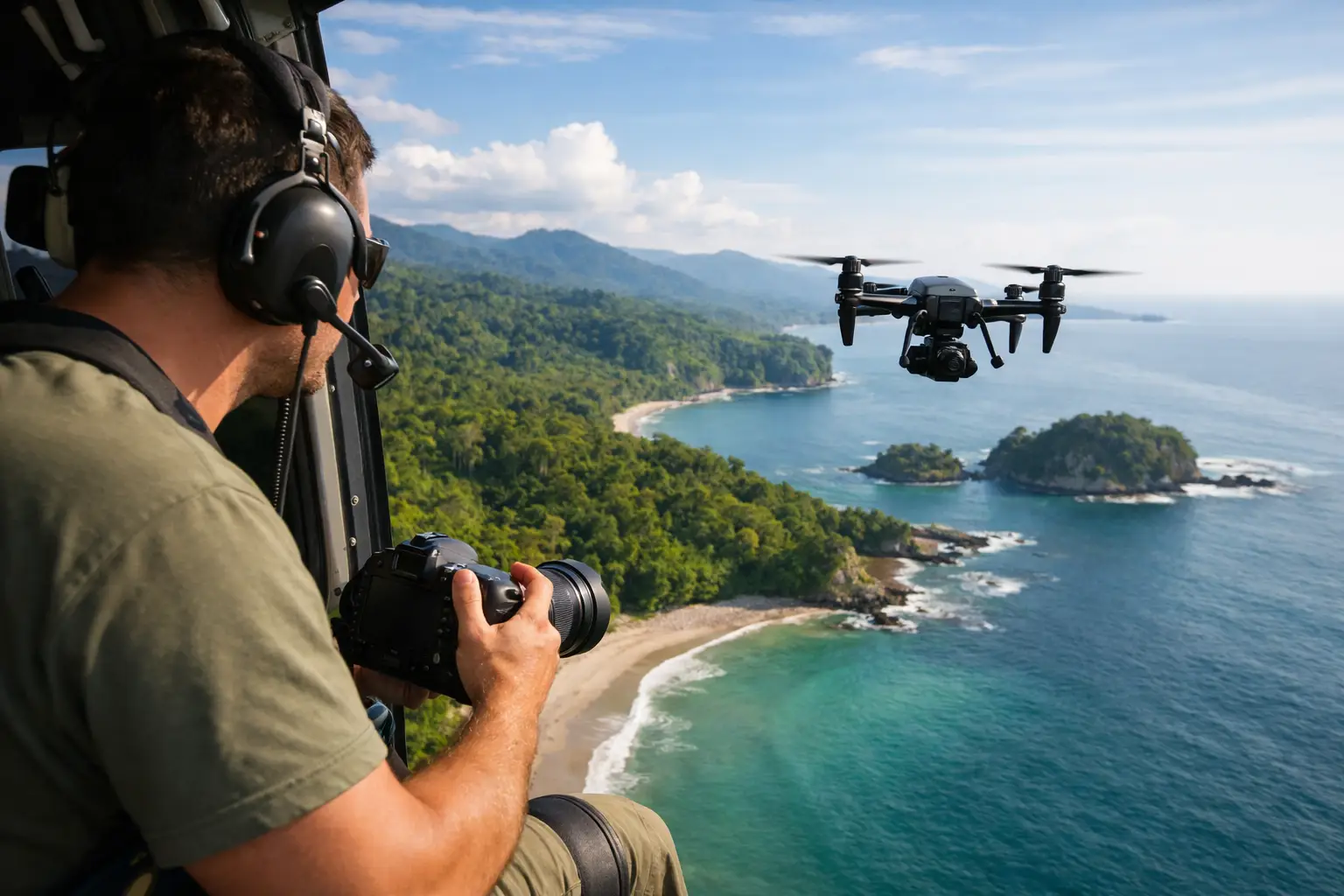
A cloud bank can erase a mountain ridge in minutes. A tide change can completely alter a shoreline shot. In Costa Rica, aerial work rewards timing, local knowledge, and flight precision, which is why costa rica aerial photography flights are rarely just about getting airborne. The quality of the result depends on route planning, weather judgment, aircraft choice, and a crew that understands both aviation and visual production.
For photographers, filmmakers, agencies, and private travelers seeking a premium perspective, the real value of an aerial operation is control. You are not simply buying a scenic flight. You are investing in access to angles that cannot be reached from the ground, with the flexibility to prioritize light, geography, and mission objectives without compromising safety.
What makes Costa Rica aerial photography flights different
Costa Rica is visually dense. Within a relatively short distance, you can move from urban corridors to rainforest canopy, volcanic terrain, winding rivers, surf breaks, agricultural patterns, and two coastlines with very different character. That variety is a major advantage, but it also makes aerial planning more technical than many clients first expect.
The country’s weather shifts quickly. Morning conditions can be ideal for clean visibility over the Central Valley or Pacific coast, while afternoon cloud buildup may limit mountain shots. On the Caribbean side, humidity and rain patterns create a different set of timing considerations. An experienced operator does more than fly a route. They help determine when a route is likely to deliver usable imagery.
Terrain is another factor. Costa Rica’s dramatic elevation changes can create spectacular compositions, but they also require sound operational judgment. Pilots supporting aerial photography need to understand safe maneuvering, stable positioning, and how to work with clients who may need repeat passes, wide establishing shots, or tighter visual sequences over specific features.
Choosing the right aircraft for the mission
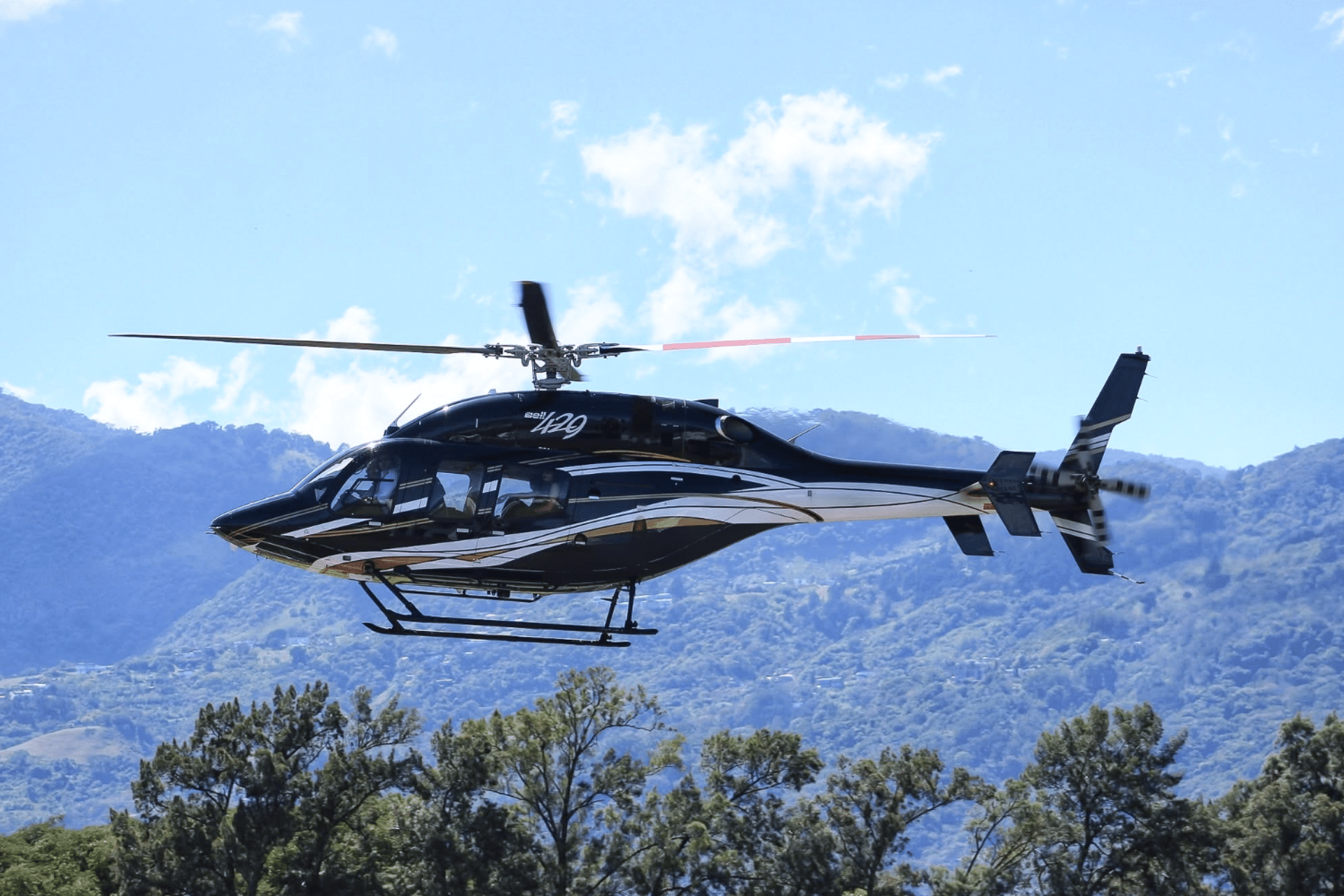
Not every aerial photography assignment has the same requirements. Some clients need a helicopter for low-altitude flexibility and the ability to orbit a subject with precision. Others are better served by a fixed-wing aircraft that can efficiently cover longer distances and capture broad landscape frames.
A helicopter is often the preferred platform for detailed visual work. It allows greater maneuverability, better access to hard-to-reach locations, and more controlled framing over coastlines, waterfalls, resorts, construction sites, or industrial assets. For productions that need multiple takes from varied angles in one area, that flexibility is hard to replace.
A fixed-wing aircraft can be the smarter choice when the assignment covers a larger geographic range. If the goal is to document several regions in one flight or capture expansive environmental and topographic imagery, an airplane may offer better speed and range. The trade-off is that it is generally less nimble for highly specific shot repetition.
This is where mission planning matters. The best aircraft is not the most expensive one or the most visually impressive one. It is the one that aligns with the subject, the camera plan, the duration of the operation, and the level of precision the imagery requires.
Who uses aerial photography flights in Costa Rica
The audience is broader than many people assume. Production teams often charter flights for tourism campaigns, hotel and resort marketing, real estate features, documentary work, branded content, and location scouting. Corporate clients use aerial flights for infrastructure reviews, land assessment, project documentation, and executive site access combined with visual inspection.
Private travelers also book these flights, especially when the goal is to capture Costa Rica at a level that standard sightseeing cannot provide. For a family celebrating a milestone trip, a couple documenting a luxury vacation, or a traveler with a serious interest in photography, a private aerial flight creates both access and privacy.
The common thread is that these clients value time, discretion, and customization. They are not looking for a generic route with fixed timing. They need an operation designed around the purpose of the flight.
Planning a successful aerial photography mission
Strong aerial imagery usually begins well before takeoff. The most effective operators will ask detailed questions about the subject matter, desired shot type, camera equipment, passenger count, and preferred departure region. They will also review timing, weather windows, and any logistical constraints tied to the location.
For example, a resort shoot on the Pacific coast may need early light to capture clean water color and long shadows across the property. A volcano-focused flight may require rapid schedule adjustment if cloud cover develops. A commercial land survey may place more importance on consistent coverage than dramatic light. Each objective changes the flight plan.
It also helps to think in terms of priority shots rather than a general wish list. When clients identify the must-have images first, the crew can structure the route around those targets and build secondary opportunities around them. That approach is especially useful in Costa Rica, where weather can reward decisiveness.
Timing, light, and seasonal trade-offs
There is no single best month for every aerial photography flight. Dry season often improves reliability for visibility and scheduling, especially for travel-focused imagery. Green season can deliver richer landscapes, fuller rivers, and more dramatic cloud texture, but it may also increase the chance of weather delays or route changes.
Morning flights are often favored for smoother air and cleaner visibility. Late afternoon can be visually striking in the right conditions, particularly over the coast, but it can also be more variable depending on the region and season. The right answer depends on the subject and how flexible the client can be.
That flexibility is often what separates a good result from an exceptional one. Premium aerial service is not only about comfort. It is about having the operational ability to adjust around real flying conditions.
Safety is part of the creative process
In aerial production, safety and image quality are closely connected. Stable, well-briefed flights produce better outcomes. Clear communication between pilot and client reduces unnecessary repositioning, helps manage expectations, and allows the crew to focus on the planned objectives.
This is why operator credentials matter. A provider with long-standing experience, formal certification, and adherence to recognized aviation standards brings more than regulatory compliance. They bring disciplined decision-making, established procedures, and the kind of operational maturity that serious clients expect.
For media teams and corporate users in particular, this reduces risk at multiple levels. It supports schedule reliability, protects personnel, and creates a more professional working environment in the air. For private travelers, it adds something just as valuable – confidence.
Why local operating experience matters
Costa Rica rewards operators who know the country well. Familiarity with departure options from both San José and Liberia, awareness of regional weather behavior, and experience navigating the country’s business and tourism corridors all contribute to a smoother mission.
A seasoned local team can often anticipate constraints before they become problems. They know which routes are practical, which areas are most visually rewarding under certain conditions, and how to structure flight time efficiently. For clients balancing budget, schedule, and creative ambition, that knowledge saves both time and missed opportunity.
This is one reason many discerning travelers and production partners choose an established operator like Aerotour. Experience dating back decades, combined with DGAC certification and ICAO-aligned standards, gives clients a level of assurance that is especially important when the flight has professional or high-value objectives.
What to expect from a premium flight experience
A premium aerial photography flight should feel organized from the first briefing. The process should include clear discussion of the mission, realistic guidance on conditions, and a tailored recommendation on aircraft and routing. Clients should understand what is possible, what may need flexibility, and how the crew intends to optimize the flight.
On the day of operation, professionalism shows up in small details. Efficient ground handling, attentive communication, and a calm, capable crew set the tone. This matters not only for comfort, but also because creative focus improves when the logistics feel controlled.
The best flights leave room for judgment. If visibility opens over a ridge line or a coastline presents better color than expected, a skilled pilot can adapt within the mission framework. That blend of planning and real-time decision-making is what makes private aerial work so effective in Costa Rica.
Costa Rica from the air can look cinematic, commercial, or deeply personal depending on why you fly. The difference is not just the landscape. It is the quality of the operation behind the window.