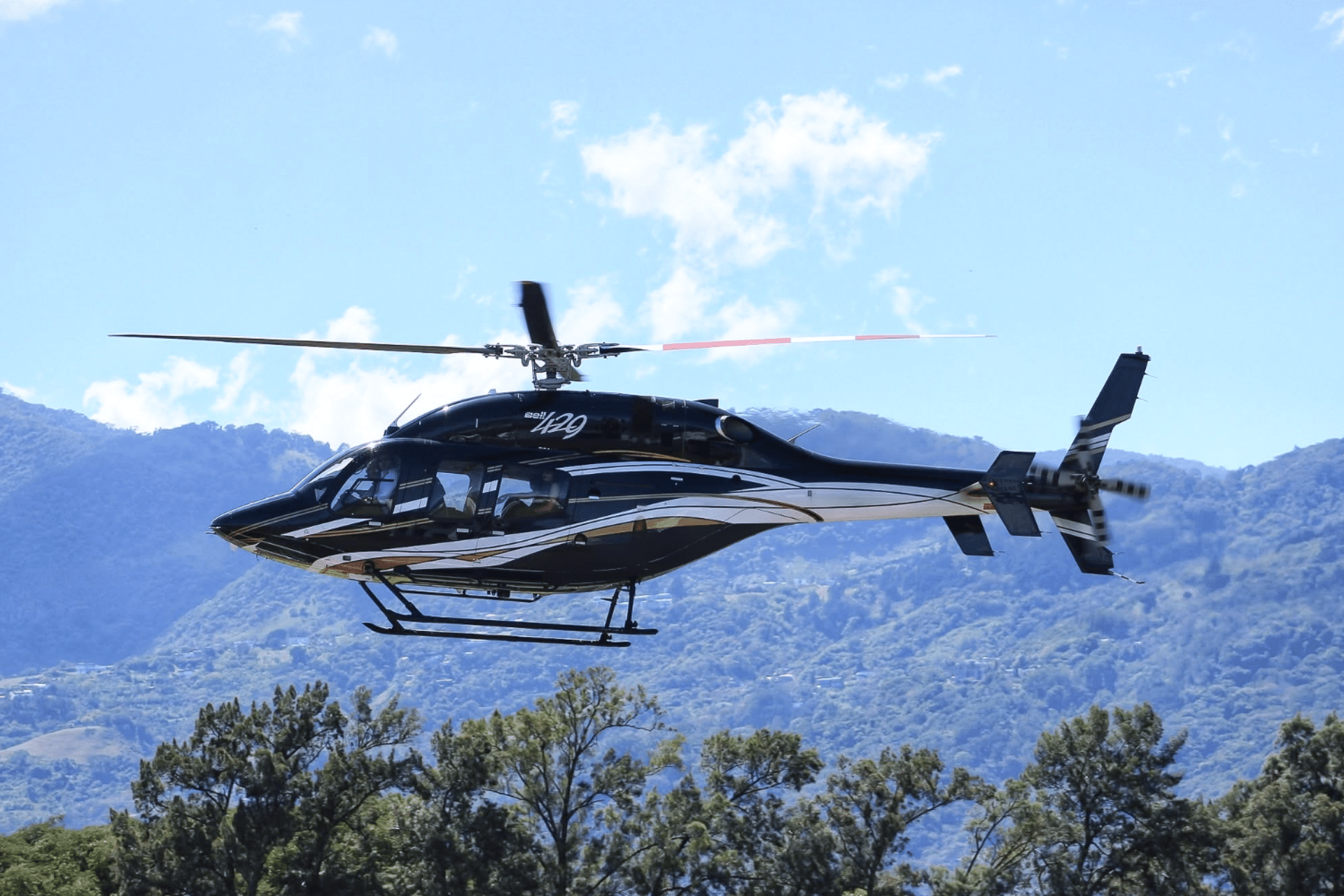

Safe Charter Operator Checklist for Costa Rica


A private flight to a remote lodge, a coastal resort, or a production location can save hours of surface travel in Costa Rica. It also requires a decision that deserves more than a polished aircraft photo or a quick price quote. This safe charter operator checklist helps travelers, executive assistants, and production teams evaluate whether a provider has the authority, discipline, and local judgment to operate responsibly.
Private aviation is not a one-size-fits-all service. A helicopter transfer through changing mountain weather, an executive airplane charter between regional airports, and an aerial filming mission each carry different planning requirements. The right operator should be able to explain those requirements clearly, without making promises that compromise safety.
Start with a safe charter operator checklist for certification
The first question is straightforward: Is the company authorized to conduct the exact type of flight being offered? In Costa Rica, commercial aviation activity is regulated by the Dirección General de Aviación Civil, or DGAC. A legitimate operator should be prepared to confirm its operating authority and the scope of its approved services.
Certification is more than a document displayed in an office. It establishes the framework for maintenance control, crew qualifications, operational procedures, and regulatory oversight. Ask whether the flight will be conducted under the operator’s own certificate, and whether the aircraft and mission profile are covered by that authority.
For international travelers, ICAO-aligned practices are another useful point of reference. ICAO standards help create common expectations across aviation systems, but they do not replace local operating authorization. The best answer includes both: current local compliance and procedures built around recognized international aviation standards.
A seasoned operator should welcome these questions. If a provider is vague about certification, reluctant to identify the operating entity, or treats safety documentation as an inconvenience, consider that a reason to pause before confirming a flight.
Confirm who will actually operate the flight
Not every company selling a charter is the company flying it. Some providers arrange aircraft through third parties, which can be appropriate when disclosed clearly and managed carefully. The issue is not whether a broker is involved. The issue is whether you know who holds operational responsibility once the aircraft leaves the ground.
Ask for the name of the operating company, the aircraft registration, and the primary point of contact for flight operations. If another operator will perform the mission, request the same information you would expect from a direct operator: certifications, crew qualifications, insurance confirmation, and the weather or cancellation policy.
This distinction matters most when plans change. A direct operator with local control of its fleet, crews, and dispatch can often provide faster, more accountable decisions when weather, airport conditions, or passenger requirements shift. A broker may still add value through access and coordination, but transparency should remain complete from the first quote.
Look beyond the cabin at aircraft maintenance
A premium cabin is not evidence of a well-managed aircraft. Condition, maintenance history, and airworthiness control are what matter. You do not need to become a mechanic to ask informed questions, but you should expect a clear explanation of how the operator maintains its fleet and keeps aircraft available for service.
Ask whether maintenance is managed under an approved program, how unscheduled technical issues are handled, and what happens if the assigned aircraft becomes unavailable. A responsible provider will not guarantee that a particular aircraft can fly regardless of circumstances. It will have a practical contingency plan, whether that means a replacement aircraft, a revised schedule, or ground transportation when flying is no longer the prudent choice.
Aircraft type should fit the mission as well. A short helicopter transfer and a multi-passenger regional flight require different payload, range, baggage, and performance calculations. Weight limits are especially relevant for helicopters, where passenger count, luggage, altitude, temperature, and fuel requirements can affect what is feasible. An operator that asks detailed questions about passengers and bags is planning properly, not complicating the booking.
Evaluate crew experience and decision-making
Qualified pilots are fundamental, but qualifications alone do not tell the whole story. Ask about the crew’s experience with the aircraft type and the route or operating environment. Costa Rica’s terrain, tropical weather patterns, confined landing sites, and seasonal conditions reward local familiarity and conservative judgment.
For complex or specialized missions, ask who will be assigned to the flight and whether additional personnel are required. Aerial photography, filming, survey work, and industrial support may involve mission planning beyond a standard passenger charter. The operator should address communication, aircraft configuration, equipment security, passenger positioning, and site coordination before the day of the flight.
Pay attention to the language used in the conversation. Professional crews and flight teams do not dismiss weather concerns or suggest that experience allows them to bypass operational limits. Their confidence should come from preparation, not bravado.
Ask how weather and dispatch decisions are made
Weather is one of the clearest tests of a charter provider’s safety culture. Conditions can vary significantly between San José, Liberia, the coast, and mountain areas. A route that appears simple on a map may require careful timing, alternate planning, or a decision to delay.
Before booking, ask how the operator monitors weather and who has final authority to delay, divert, or cancel a flight. The correct answer is that the pilot in command retains operational authority, supported by dispatch or flight-operations personnel where applicable. Commercial pressure, a tight meeting schedule, or a special occasion should never override that judgment.
A thoughtful provider will also explain the practical impact of weather on your itinerary. A helicopter scenic flight may need a flexible departure window. An executive transfer may require an earlier departure to preserve options later in the day. A filming mission may need an alternate date, additional holding time, or a ground-based backup plan. These are not signs of poor service. They are signs of realistic planning.
Check the ground side of the operation
Safety begins well before boarding. Confirm the departure point, arrival point, passenger identification requirements, baggage limits, transfer timing, and any site-specific rules. Private aviation often provides exceptional access, but not every hotel, estate, worksite, or remote destination is a suitable landing location.
For helicopter operations, the operator should assess the landing area and coordinate with the property or site manager when necessary. For airplane charters, verify airport operating hours, runway considerations, customs requirements for international sectors, and onward ground transportation. These details protect both the schedule and the passenger experience.
A service-oriented operator should also ask about mobility needs, young passengers, valuable equipment, oversized baggage, and special production gear. Advance planning creates a smoother trip, but it also ensures that cabin configuration, weight calculations, and ground handling are appropriate.
Read the quote for more than the total price
The lowest quote is not always the most economical option once delays, repositioning, wait time, taxes, landing fees, transfers, or itinerary changes are considered. Request a written proposal that identifies the aircraft, route, estimated flight time, included services, and conditions that may affect the final cost.
Also review cancellation and weather provisions. A fair policy recognizes that weather and operational restrictions are outside the passenger’s control while protecting the resources required to reserve an aircraft and crew. What matters is clarity. You should understand the options if your flight is delayed, rerouted, or unable to operate.
Know the warning signs before you book
A few signals deserve immediate scrutiny:
- The provider will not identify the operating company or aircraft registration.
- Safety questions are answered with broad assurances rather than specific information.
- The quoted aircraft, passenger capacity, or baggage allowance changes without explanation.
- The company promises to fly in any weather or guarantees a particular landing site before assessing conditions.
- Payment is requested through an unusual channel with no formal itinerary, terms, or company details.
One concern does not always mean a provider is unsafe. There may be a legitimate operational explanation. However, several unresolved concerns are enough to choose another option.
Aerotour brings decades of Costa Rica aviation experience to private charter, scenic flight, and specialized aerial operations, with a safety-focused approach grounded in DGAC certification and ICAO standards. For any operator you consider, the same principle applies: select the team that is willing to plan carefully, communicate directly, and put sound operational decisions ahead of convenience.
The best private flight feels effortless because the serious work happened before you arrived. Ask the right questions early, leave room for weather decisions, and choose an operator whose professionalism is evident long before the aircraft doors close.