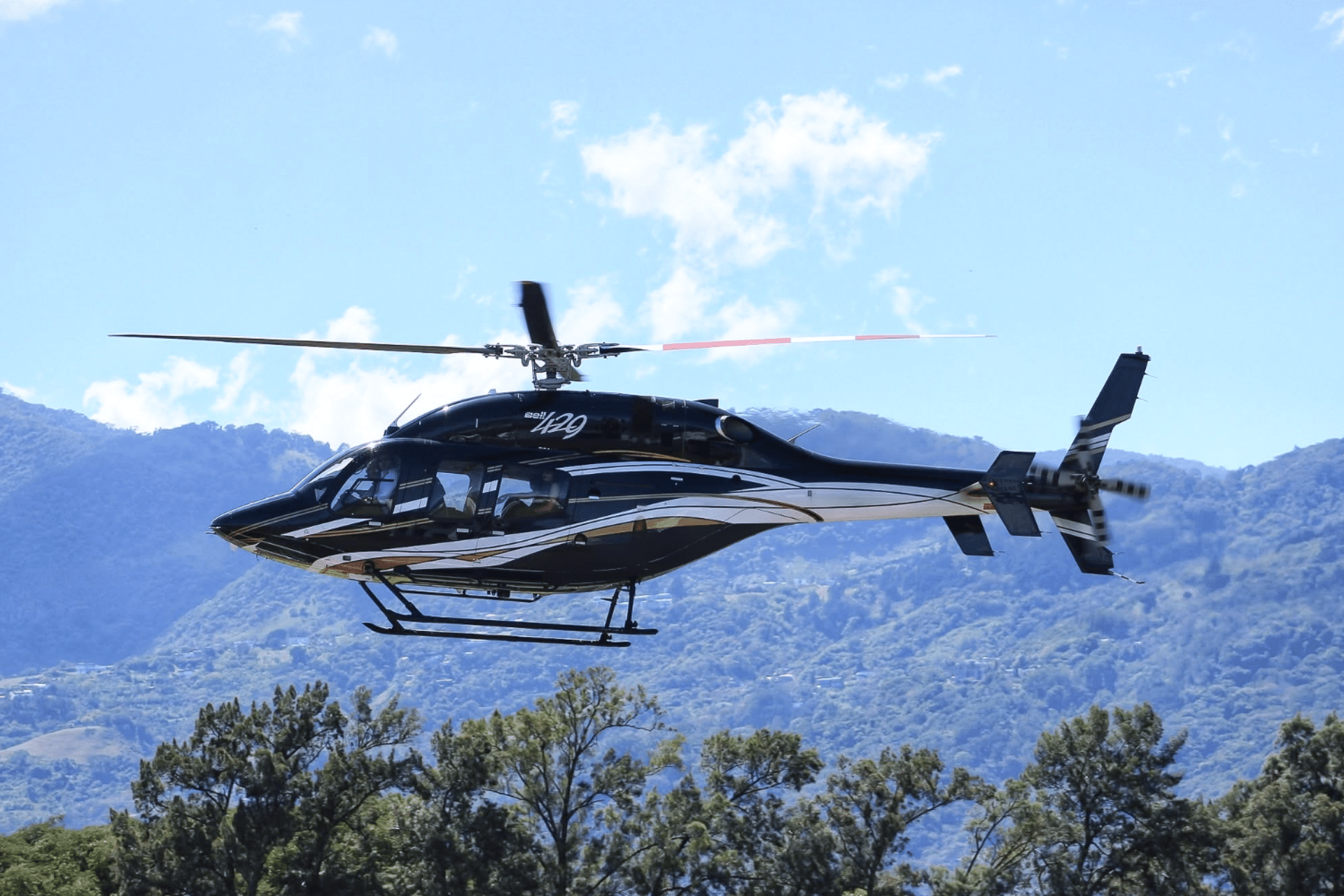

How to Prepare for a Scenic Helicopter Experience

The Pacific coastline appears first as a bright line beyond the mountains. Then come volcanic ridges, rainforest canopy, river valleys, and beaches that take hours to reach by road. To prepare for a scenic helicopter experience in Costa Rica, think beyond what to wear: the best flights begin with a route that reflects your interests, realistic expectations about weather, and a clear understanding of the operator’s safety process.
A private scenic flight is not a standard sightseeing itinerary. It is a chance to see the country’s scale and contrasts from a perspective few travelers experience. A little advance planning helps protect that time in the air and lets you focus on the view when the aircraft lifts off.
Start With the Right Flight Plan
The route should shape the rest of your preparation. Costa Rica offers distinctly different aerial landscapes within relatively short flight distances, but a flight over volcanoes and highland valleys calls for different timing than a coastal route over the Nicoya Peninsula or the Osa region.
Share what matters most before your flight is confirmed. Some guests want broad views of the Central Valley, active volcanic terrain, and cloud forest. Others prefer the meeting point of jungle and ocean, dramatic headlands, isolated beaches, or a direct flight to a remote lodge. If the occasion is a proposal, family celebration, executive visit, or a production-related itinerary, say so early. A private operator can account for timing, baggage, ground transfers, and the experience you want to create.
It also helps to be honest about your group. Passenger weight, height, mobility considerations, and the number of people traveling influence aircraft selection, seating, and comfort. These are routine operational details, not inconveniences. Accurate information allows the flight team to plan within aircraft performance limits and give every passenger the best possible experience.
Choose the Best Time of Day
Morning departures are often ideal in Costa Rica. Air is commonly calmer earlier in the day, visibility can be clearer, and cloud development is often less pronounced than in the afternoon. That said, the right departure time depends on the route, season, and local conditions.
During the green season, weather can change quickly, particularly in mountainous areas. This does not mean scenic flights are off the table. It means flexibility matters. Keep your schedule open around the flight if possible, especially when a particular landmark or photographic result is a priority. An experienced operator will make weather and operational decisions conservatively, based on current conditions rather than a fixed plan.
What to Wear and Bring on Board
Dress for the aircraft, not for a formal portrait. Comfortable, lightweight clothing is usually the right choice in Costa Rica’s warm climate. Bring a light layer if your route includes higher elevations, since temperatures can feel cooler near mountain ridges or volcanic areas.
Closed-toe shoes are generally the most practical option for walking around helipads and embarking safely. Avoid loose scarves, oversized hats, or items that can be affected by rotor wash. Sunglasses are useful, but secure them with a retainer if they tend to slip. For a premium experience, simple preparation often looks better and feels better than overpacking.
Keep personal items to what you will use. Space in a helicopter is carefully managed, and baggage limits vary by aircraft, passenger count, route, and fuel requirements. Confirm luggage allowances in advance rather than assuming a large suitcase can travel with you. If you are connecting to a resort or another destination, the flight team can advise on practical baggage arrangements.
Bring identification if requested, and have any essential medication with you. Travelers who are prone to motion sickness should speak with their physician before flying and eat lightly beforehand. Motion sickness is not common for every passenger, but fatigue, dehydration, and a heavy meal can make any form of travel less comfortable.
Camera Planning Without Distracting From the Flight
A helicopter flight presents remarkable photo and video opportunities, but equipment should serve the experience, not dominate it. A smartphone or compact camera is enough for many guests. Wipe lenses before departure, make room on your device, and turn off the flash. Reflections in windows are often reduced by wearing darker clothing and keeping the lens close to, but not pressed against, the window.
For professional cameras, ask about equipment dimensions, lens choices, and any special shooting goals before the flight. Large gear setups may be impractical in a compact cabin, while some filming projects require specific aircraft configurations and carefully planned operating conditions. Production teams should never assume that an aerial platform can be adapted at the last minute.
If photography is your priority, communicate that at booking. Seat placement, light direction, route orientation, and the time of day can affect the result. For most leisure travelers, however, it is worth putting the camera down for part of the flight. The physical sense of distance, elevation, and landscape is difficult to reproduce on a screen.
Understand the Safety Briefing Before You Fly
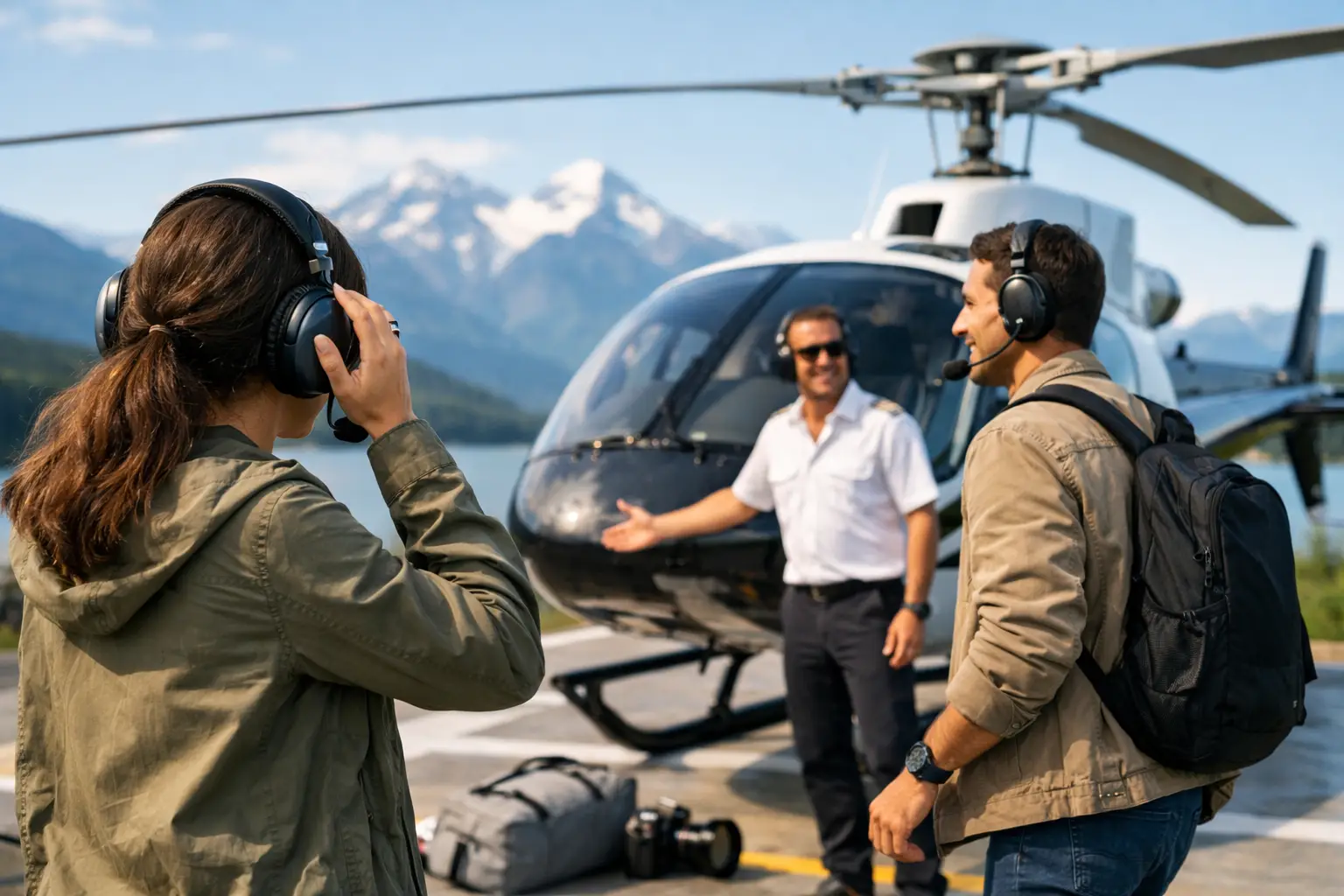
The safety briefing is a central part of the experience, not a formality to rush through. Your crew will explain how to approach and exit the helicopter, where to place belongings, how to use seat belts and headsets, and what to do in the unlikely event of an emergency. Follow crew directions at all times, particularly around the aircraft.
Never approach or leave a helicopter without explicit instruction. Rotors are difficult to judge from the ground, noise can limit communication, and the crew manages every movement around the aircraft. Secure hats, phones, and loose objects before walking to the helipad. If you are traveling with children, keep them close and ensure they understand that the crew’s instructions apply to everyone.
Ask questions when something is unclear. A professional operator welcomes informed passengers and will explain operational decisions in straightforward terms. At Aerotour, flights are supported by an operating heritage dating to 1973, DGAC certification, and procedures aligned with ICAO standards – credentials that matter because aerial sightseeing depends on disciplined planning as much as exceptional scenery.
Set Expectations for Weather and Route Changes
Helicopters offer unusual flexibility, but they do not operate outside the limits of weather, terrain, airspace, or safety requirements. Low clouds may hide a volcano. Rain may affect visibility along a coastal section. Air traffic restrictions or conditions at a landing site may require the crew to adjust the route.
These changes are not a diminished service. They are evidence of sound aviation judgment. A well-planned scenic flight has alternatives: a different viewpoint, a revised departure time, or a route that makes the most of the conditions available. Costa Rica is visually rich in every direction, and a skilled crew can often turn an adjustment into a memorable discovery.
Avoid scheduling a helicopter experience immediately before an inflexible dinner reservation, commercial departure, or major event. Allow buffer time before and after the flight. This gives the operation room to respond appropriately to weather and ensures you are not watching the clock when you should be watching the landscape.
Prepare Your Group for a Better Experience
For couples and families, the most useful conversation happens before arrival: explain that the flight will be exciting, noisy, and carefully managed. Headsets make it easier to communicate, but children and first-time flyers may appreciate knowing what to expect during takeoff and turns.
Corporate guests should confirm timing, passenger manifest details, baggage needs, and onward transportation in advance. For a leadership team or visiting client, small logistical gaps can undermine an otherwise polished day. Production teams need even more lead time for permits, equipment, aircraft access, flight profiles, and coordination with ground crews.
A scenic helicopter experience rewards preparation because it is both an aviation operation and a rare way to encounter Costa Rica. Arrive rested, listen closely to the crew, and leave enough room in the day for conditions to guide the plan. When the doors close and the landscape begins to unfold below, that preparation gives way to the part that matters most: being fully present for the flight.