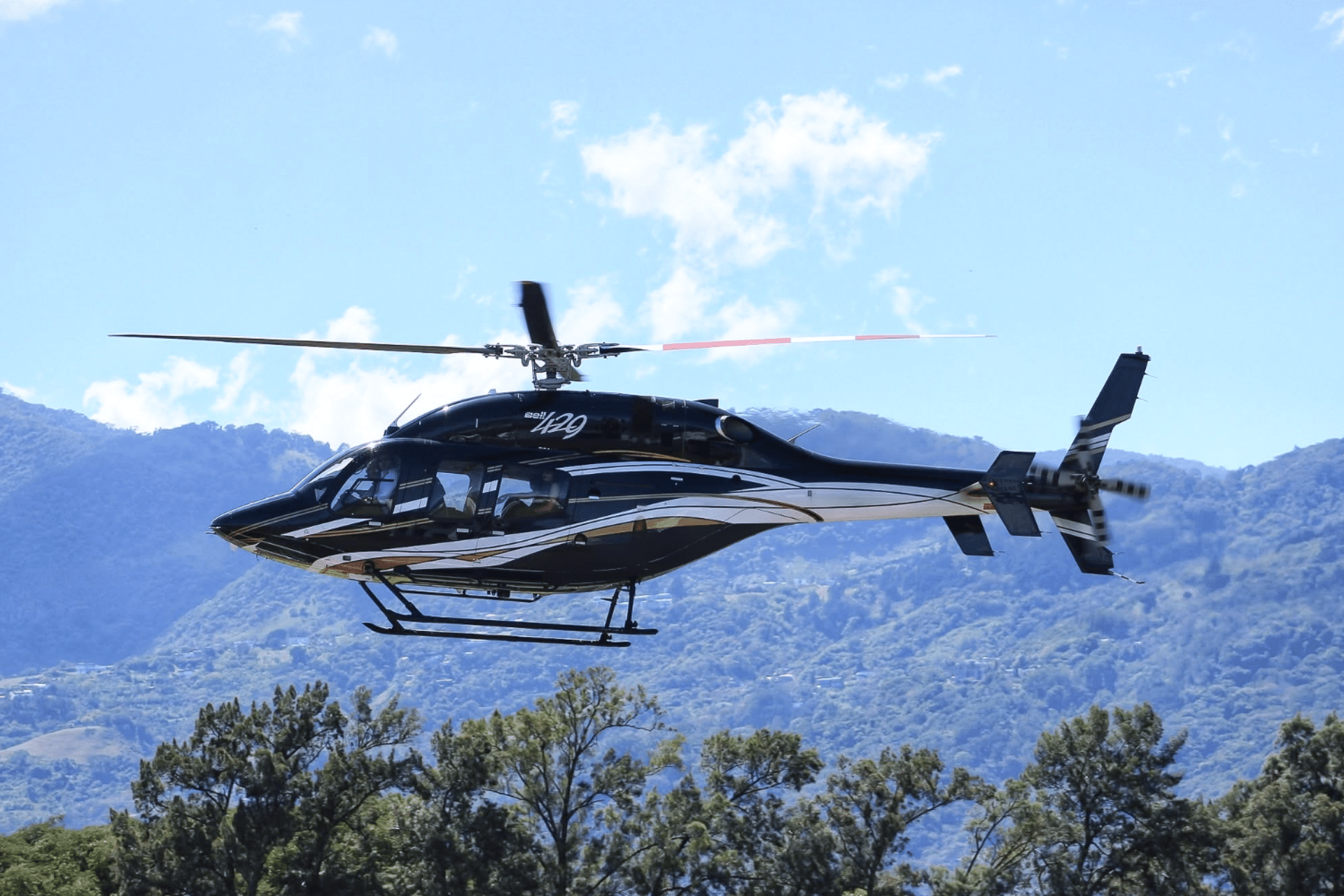

Charter Flight Flexibility Benefits That Matter


A delayed connection in a major hub can cost more than patience. It can mean a missed site visit, lost filming light, a disrupted family itinerary, or an overnight stay that was never part of the plan. That is where charter flight flexibility benefits become tangible. They are not abstract perks. They are operational advantages that give travelers and organizations more control over time, access, and outcomes.
In Costa Rica especially, flexibility matters because geography shapes the travel experience. Mountain ranges, coastal destinations, weather patterns, and road transfer times can turn a relatively short distance into a long day. For travelers heading to remote resorts, executives moving between regions, or production teams working against daylight and permit windows, the ability to adjust flight plans around real needs is often the difference between an efficient trip and a compromised one.
Why charter flight flexibility benefits go beyond convenience
The phrase often gets reduced to comfort, but flexibility in private aviation is much more than avoiding lines at the airport. It changes how a trip is built from the start. Instead of fitting your plans around commercial schedules, you build the flight around your priorities.
That shift affects departure times, airport selection, passenger flow, baggage planning, and how easily a trip can absorb changes. A couple traveling to a high-end eco-lodge may want to leave after a late breakfast rather than at dawn. A corporate team may need to visit two properties in one day and return to San José that evening. A film crew may need a short weather adjustment without losing the entire production window. Charter service allows for those decisions in a way scheduled service rarely can.
The value is even clearer when the trip has multiple moving parts. Ground transportation, hotel arrivals, on-site staff, meeting schedules, and location access all become easier to coordinate when the aircraft schedule is aligned to the mission rather than the other way around.
Time efficiency is the most obvious advantage
For most clients, time is the first reason flexibility matters. Private charter reduces many of the fixed delays built into commercial travel, including early airport arrival requirements, lengthy terminal movement, and indirect routing through busy hubs.
That does not mean every charter flight is automatically faster in every scenario. For straightforward city-to-city routes with frequent commercial service, the time savings may be moderate. But when you factor in total trip time, especially for regional travel or multi-stop itineraries, the difference can be substantial.
In Costa Rica, this advantage is practical rather than theoretical. Reaching coastal, inland, or hard-to-access destinations by road can take hours, and commercial airline schedules may not line up with the traveler’s actual agenda. A charter aircraft or helicopter can reduce transit time while also removing idle time between segments. That creates a smoother day for executives, a more relaxed experience for families, and tighter schedule control for crews working on production timelines.
Better departure control
One of the strongest charter flight flexibility benefits is the ability to choose a departure time that suits the traveler. That sounds simple, but it changes the entire rhythm of a trip. You can depart when your meeting ends, when your guests arrive, or when weather conditions are most favorable for the route.
There are still operational boundaries. Air traffic, airport hours, crew planning, and safety requirements always come first. But within those parameters, charter gives clients a level of schedule control that scheduled service cannot match.
Direct routing reduces wasted hours
Direct access is another major advantage. Instead of flying where the airlines happen to serve most frequently, charter clients can often use airports and landing zones that make more sense for the final destination. In a country where business centers, resorts, and production sites are spread across diverse terrain, that matters.
Less time in transit also means less fatigue. For executives, that can improve meeting readiness. For leisure travelers, it means the trip feels premium from the first leg rather than only after arrival.
Access matters as much as schedule
Flexibility is also about where you can go, not just when you can leave. Commercial networks are built for volume. Charter networks are built for purpose.
That distinction is important in a market like Costa Rica, where demand often centers on destinations outside the main airline pattern. Remote lodges, private estates, coastal retreats, and project sites may not be easily served through standard airline schedules. Charter aircraft and helicopters can expand practical access and simplify route planning across the country.
For organizations, this can support site inspections, infrastructure work, executive travel, and time-sensitive field operations. For travelers, it means reaching exclusive destinations with far less friction. For media teams, it can mean getting both crew and equipment closer to the working location without sacrificing valuable production time.
Charter flight flexibility benefits for changing plans
The real test of flexibility is not how a trip looks when everything goes right. It is how well the travel plan holds up when something changes.
Weather shifts. Meetings run late. Resort check-in timing moves. A filming schedule needs a later departure to capture the right light. A VIP traveler adds a passenger. These are common realities, not rare exceptions. Charter service is valuable because it can often adapt more effectively when plans move.
This does not mean infinite change with no impact. Aircraft availability, regulatory conditions, payload limits, crew duty time, and airport constraints all affect what can be adjusted. Premium service still operates inside strict safety and operational rules. But compared with commercial travel, the room to respond is significantly greater.
That flexibility can prevent a small issue from becoming a full-day disruption. Instead of losing the itinerary, the operator may be able to refine it.
Stronger control for corporate travel
For executive teams, flexibility is closely tied to productivity. If a leadership group needs to visit multiple locations, hold onboard discussions privately, and return the same day, charter service supports the business objective rather than interrupting it.
It also protects confidentiality. Sensitive conversations, client movement, and internal planning can continue in a controlled setting. For decision-makers, that balance of privacy and schedule control is often as important as speed.
Better support for production and technical missions
Production work is one of the clearest examples of why flexibility matters. Aerial filming, photography, and location work depend on light, weather, timing, and precision. Scheduled air service is not designed for that environment.
Mission-specific charter support allows the flight profile and timing to reflect the technical requirements of the job. That may include route adjustments, equipment coordination, staging from the most practical base, or aligning flight windows with production needs. Experienced operators understand that the aircraft is part of the production workflow, not just transportation to the location.
Privacy and comfort support better decisions
Flexibility is often discussed in scheduling terms, but the cabin environment is part of the benefit as well. A private charter allows passengers to travel without the exposure, interruptions, or congestion common in commercial terminals and cabins.
For high-net-worth travelers, public figures, corporate leaders, and families, privacy is not simply a luxury preference. It can be essential to comfort, discretion, and peace of mind. The same is true for teams carrying sensitive equipment or discussing confidential projects.
Comfort also affects the quality of arrival. A traveler who avoids multiple handoffs, long waits, and crowded terminals typically arrives in a better state to work, host, or enjoy the destination. That is a premium advantage, but it is also a practical one.
The best flexibility depends on the operator
Not all charter experiences deliver the same level of responsiveness. True flexibility depends on operational depth, local knowledge, safety discipline, and the ability to coordinate complex logistics without losing control of the details.
That is particularly important in a destination market. An operator needs to understand regional airport access, terrain, weather patterns, routing realities, and the needs of different traveler types. A leisure itinerary, an executive roadshow, and an aerial filming assignment all require different planning instincts.
This is where experience becomes more than a brand claim. A long-established, safety-driven operator with recognized certifications and local flight knowledge can usually anticipate issues earlier and propose smarter alternatives. In Costa Rica, Aerotour’s long operating history, DGAC certification, and familiarity with both tourism and specialized aerial missions reflect the kind of foundation that supports meaningful flexibility rather than last-minute improvisation.
When charter flexibility is worth the premium
Charter is not the right fit for every trip. If the route is simple, the commercial schedule works perfectly, and privacy or time savings are not priorities, a scheduled flight may be sufficient. That is the honest trade-off.
But when the trip involves high-value time, difficult access, multiple destinations, sensitive schedules, or travelers who expect control and privacy, flexibility becomes a strong business and travel advantage. In those cases, the premium is often easier to justify because it protects something even more valuable than the ticket price – the success of the trip itself.
The best way to think about charter is not as an upgrade to standard travel. It is a different operating model built around your timeline, your destination, and your priorities. When those variables truly matter, flexibility stops being a luxury label and starts becoming the reason the trip works at all.
If your itinerary has little room for delay, compromise, or unnecessary transit, the smartest question is not whether charter offers flexibility. It is how much that flexibility is worth before the trip begins.