
Are Private Charter Flights Safe?

When travelers ask, are private charter flights safe, they are usually not looking for a simple yes or no. They want to know what stands behind the flight – who operates it, how the aircraft is maintained, how pilots are trained, and whether the operator has the judgment to delay or decline a trip when conditions are not right.
The short answer is that private charter flights can be very safe when they are operated by a properly certified, experienced company with disciplined procedures. But safety in private aviation is not automatic. It depends on the operator, the aircraft, the crew, the mission profile, and the standards applied before the engine even starts.
Are private charter flights safe compared with commercial airlines?
This is the comparison most passengers have in mind, and it deserves a careful answer. Major commercial airlines operate at enormous scale under highly structured systems, standardized fleets, and tightly managed route networks. That creates consistency many travelers understand well.
Private charter aviation works differently. It offers flexibility, direct access, privacy, and time savings, but those advantages come with more variation from one operator to another. A well-run charter company may maintain excellent safety practices, highly trained crews, and strict operational controls. A weaker operator may meet only the minimum standard or struggle with consistency. That gap matters.
So, are private charter flights safe relative to airline travel? They can be, but the better question is whether a specific charter operator demonstrates the right credentials, operational discipline, and decision-making culture. In private aviation, the operator matters even more than the category.
What actually determines private charter safety
Passengers often focus on the aircraft itself, but the real picture is broader. Safety is built through systems, not appearances.
The first factor is certification and regulatory oversight. A legitimate charter operator should hold the required operating approvals from the relevant civil aviation authority. In Costa Rica, that means working within DGAC requirements and recognized operating standards. Operators that align with ICAO principles add another layer of credibility because they are working within internationally recognized aviation frameworks.
The second factor is maintenance. Aircraft safety depends on scheduled inspections, detailed recordkeeping, component tracking, and a maintenance culture that does not cut corners. A polished cabin may signal premium service, but it tells you little about the condition of the aircraft. Serious operators invest in maintenance discipline long before a passenger arrives at the airport.
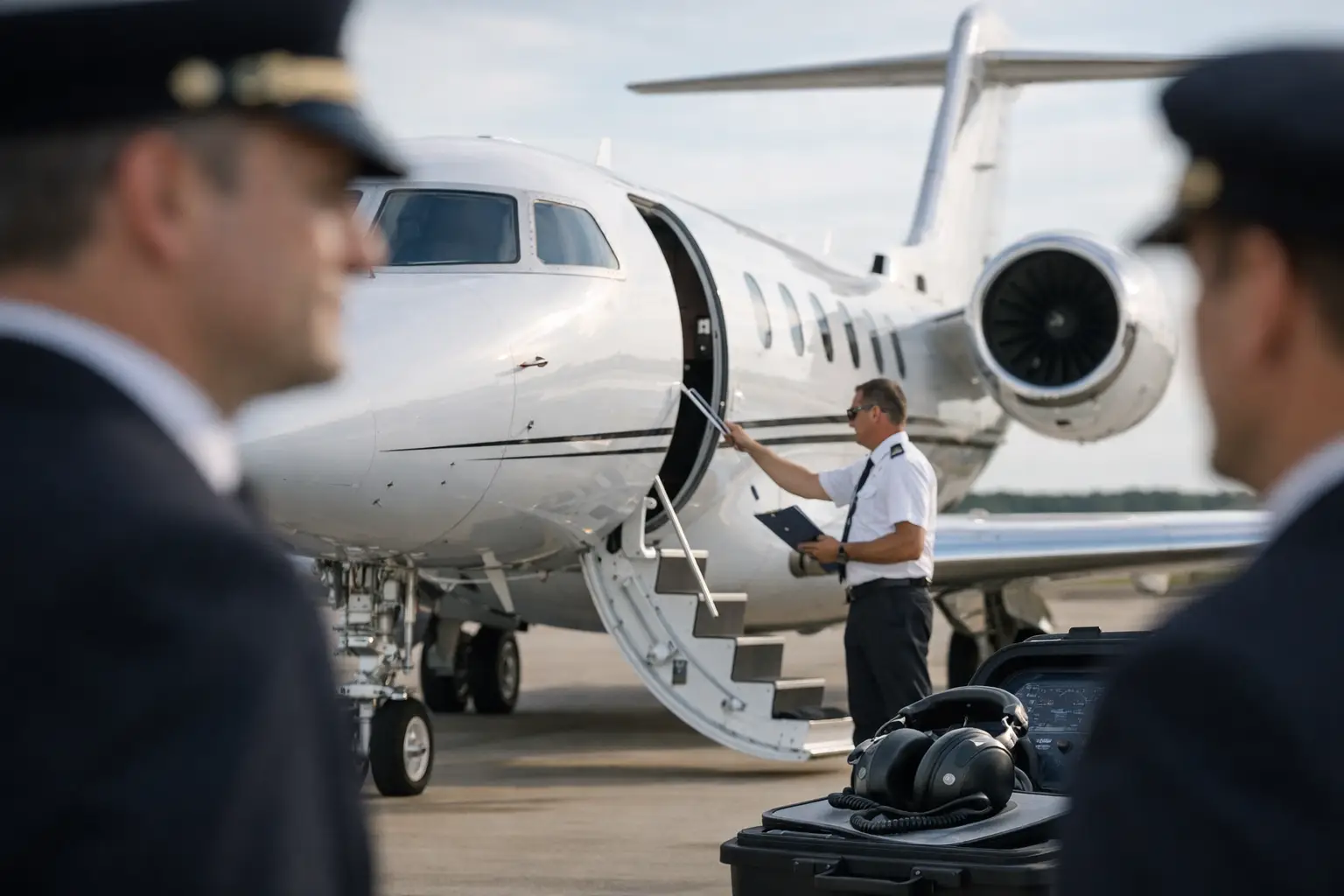
The third factor is pilot quality. Flight hours alone do not tell the whole story. Relevant experience matters more. A pilot flying executive transfers, remote coastal routes, mountain approaches, or aerial filming missions needs training and judgment matched to those environments. Recurrent training, route familiarity, and sound operational decision-making are all part of the safety equation.
Then there is weather assessment. This is one of the clearest signs of a responsible operator. In aviation, professionalism often means saying no. If weather, visibility, wind, or airport conditions are not acceptable, the safest decision may be to delay, reroute, or cancel. Clients who value safety should see that as a strength, not a service failure.
Why operator experience matters so much
Private aviation is a high-trust service. You are not just buying a seat. You are placing confidence in an operator’s systems, people, and judgment.
Long operating history can be meaningful because it often reflects tested procedures, experienced crews, and a deeper understanding of local conditions. In a market like Costa Rica, where geography, microclimates, and remote access can shape flight planning, practical experience has real value. Coastal weather patterns, mountainous terrain, and airport-specific operating considerations are not theoretical concerns. They affect everyday execution.
That is where established operators stand apart. A company with decades of experience and a strong safety culture is generally better positioned to manage the realities of charter operations than one built around convenience alone. Aerotour, for example, has operated since 1973, which signals the kind of continuity and operational maturity many passengers look for when choosing a private flight provider.
Questions smart passengers should ask
If you are evaluating a private charter, there is nothing excessive about asking direct safety questions. In fact, reputable operators expect it.
Ask whether the company is properly certified for charter operations. Ask how maintenance is handled and whether records are current. Ask about pilot qualifications, including experience with the aircraft type and the routes involved. If your trip includes specialized flying, such as aerial filming, remote landing areas, or helicopter transfers, ask about mission-specific experience.
It is also reasonable to ask how weather decisions are made and who has final authority to delay or cancel a flight. The right answer should be clear and confident. Operators with strong standards do not improvise around safety-critical decisions.
You can also pay attention to how the company communicates. Professional charter providers tend to be precise, transparent, and calm. They explain procedures clearly, set realistic expectations, and do not overpromise around timing if conditions may affect the mission.
Safety in helicopters versus private airplanes
Travelers often ask whether helicopters are less safe than airplanes. The truth is that they are different tools for different missions.
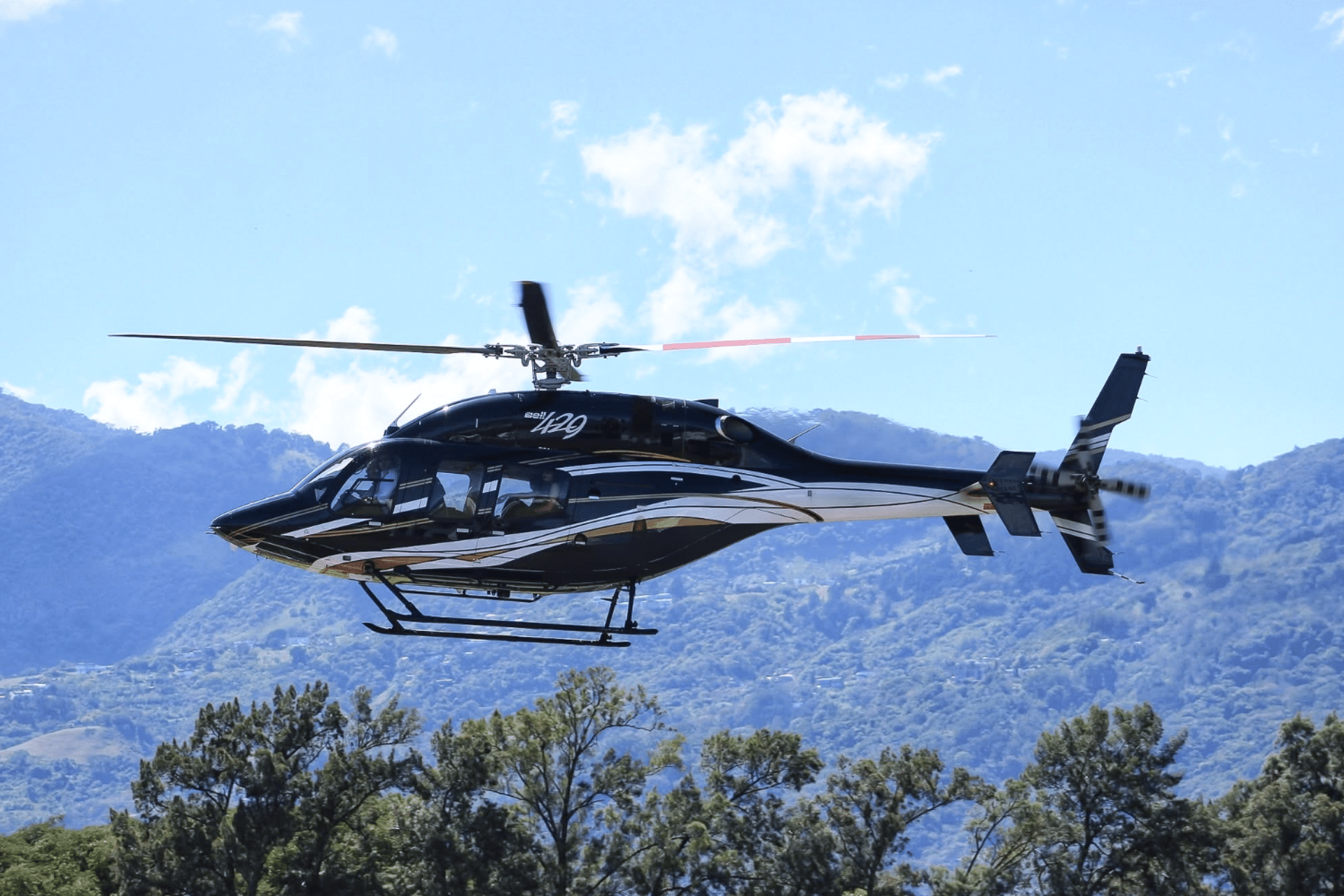
Helicopters offer extraordinary access, especially for short regional transfers, site visits, scenic flights, and aerial production work. They can reach areas where fixed-wing aircraft are not practical, which makes them valuable in a country with diverse terrain and destination-driven travel. At the same time, helicopter operations are highly dependent on mission planning, weather, pilot experience, and the specific operating environment.
Private airplanes are often the better fit for longer regional travel and certain airport-to-airport routes. They typically provide greater range and efficiency for those missions. Neither category is automatically safer in every situation. What matters is whether the aircraft type is appropriate for the route and whether the operator has the experience to manage that mission correctly.
A premium charter provider should never force a mission into the wrong aircraft simply for convenience. Matching the aircraft to the task is a basic part of safe operations.
The role of standards behind the scenes
Passengers usually experience charter through comfort, speed, privacy, and convenience. But the strongest safety signals are often invisible.
They show up in dispatch planning, aircraft status tracking, pilot duty management, standard operating procedures, pre-flight risk review, and clear chains of authority. They show up in how the company handles irregular conditions and whether the culture rewards sound judgment over schedule pressure.
This matters especially for executive travelers, production teams, and organizations running time-sensitive itineraries. A charter operator should absolutely be responsive and efficient, but not at the expense of operational discipline. The most dependable providers know that reliability is not the same as saying yes to every request. Reliability means managing the flight professionally from booking to landing.
When private charter may feel safer to the traveler
There is also a practical side to this conversation. Even when travelers are really asking about technical flight safety, they are often thinking about the full travel experience.
Private charter can reduce several common stress points. You avoid crowded terminals, limit unnecessary connections, and gain more control over scheduling and routing. For families, executives, and groups with sensitive equipment or tight timelines, that can create a more controlled and predictable travel environment.
That does not replace aviation safety standards, but it does improve the overall travel experience in ways many clients value. In remote or complex itineraries, direct access and operator coordination can reduce the friction that often comes with commercial alternatives.
So, are private charter flights safe?
Yes, private charter flights can be safe, and in many cases they are an excellent option for travelers who need privacy, flexibility, direct access, or mission-specific support. But the safety of the flight depends less on the idea of private aviation and more on the quality of the operator behind it.
Look for certification, maintenance discipline, experienced crews, strong weather judgment, and a company culture that treats safety as a practice rather than a slogan. Those are the details that deserve your attention.
If a charter provider is transparent about its standards, confident in its procedures, and willing to make conservative decisions when conditions require it, that is usually the clearest sign you are in capable hands. The best private aviation experience does not ask you to choose between premium service and operational rigor. It delivers both.