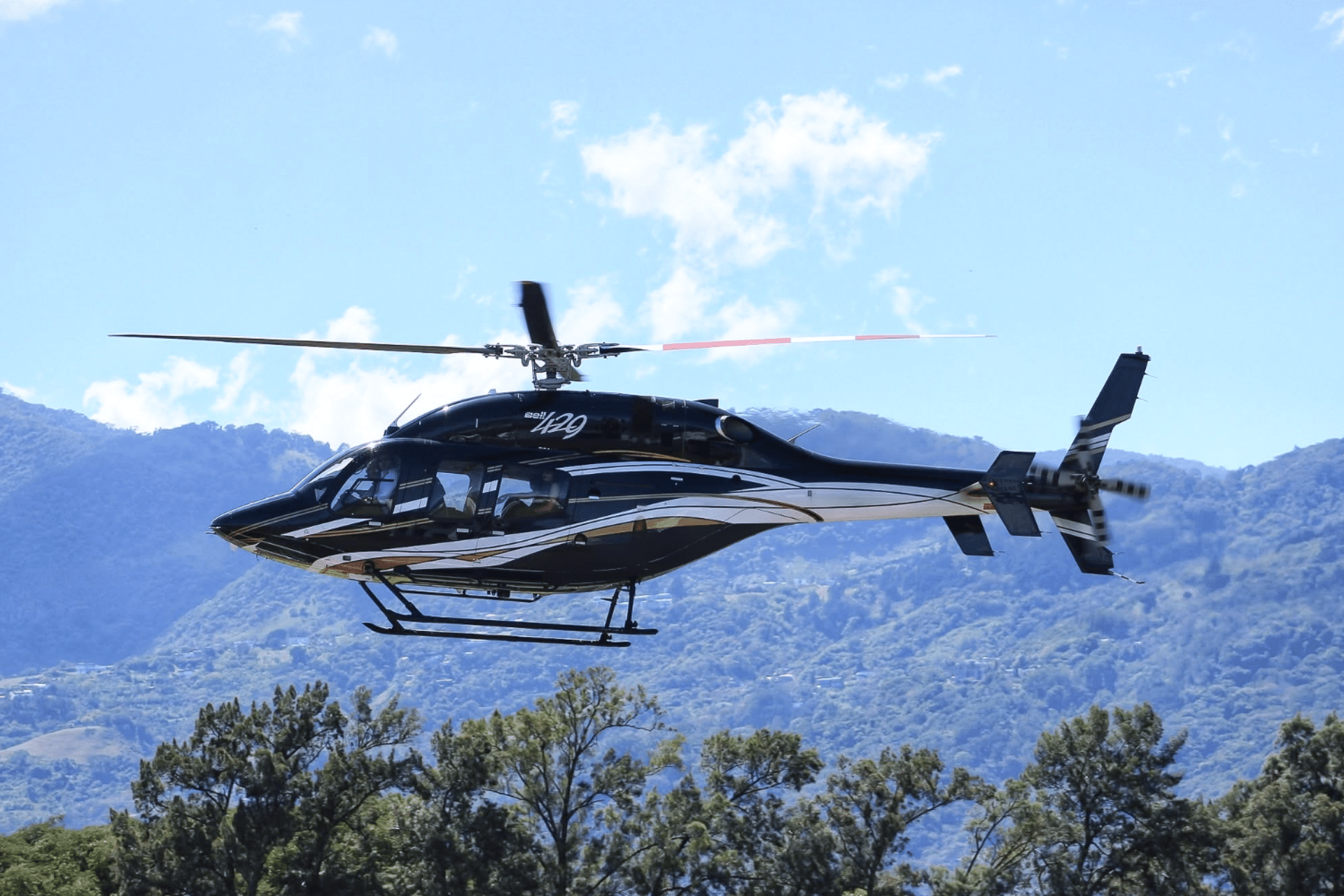

Custom Aviation Mission Planning in Costa Rica

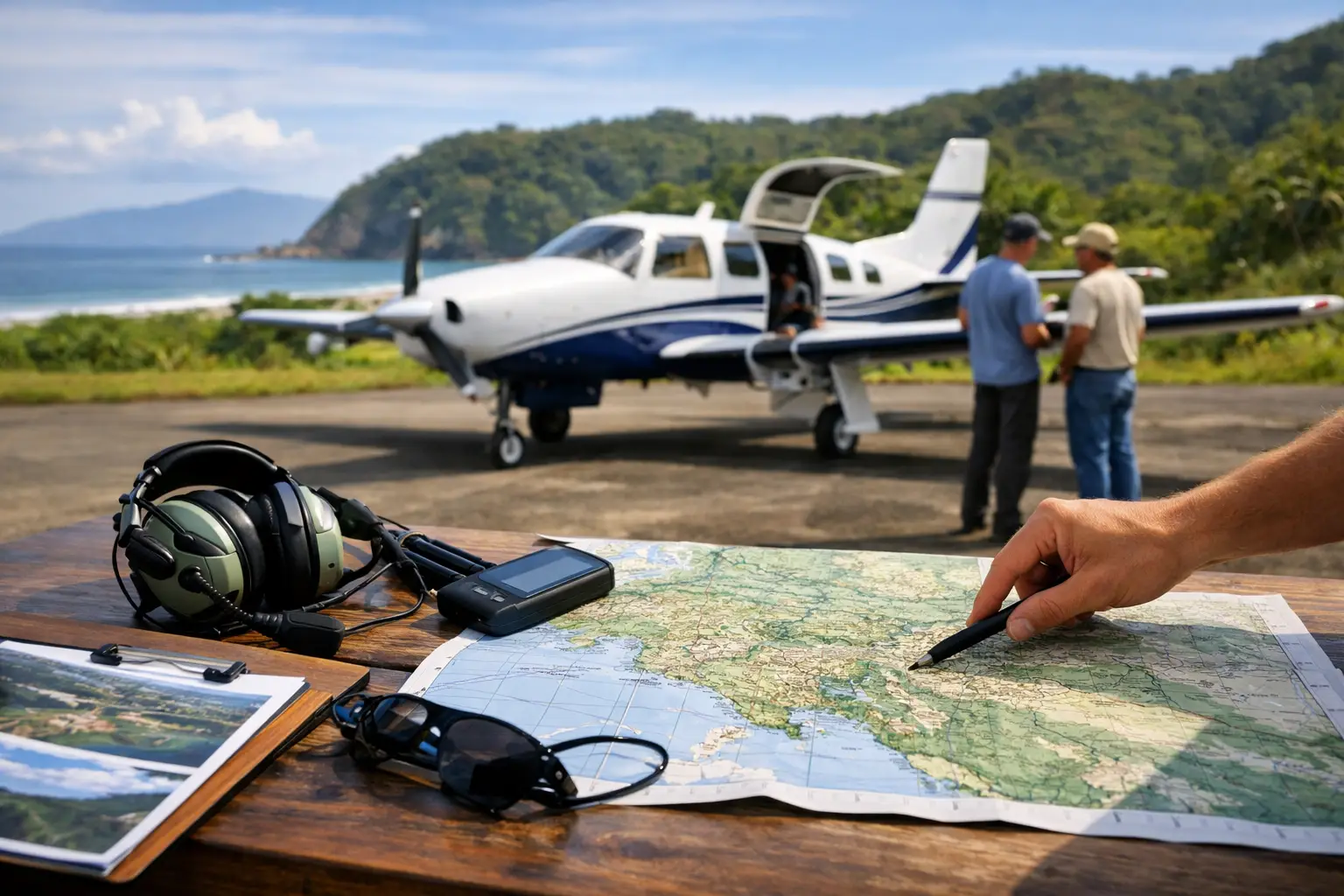
A board meeting in San José, a remote resort arrival, and a production call time on the coast can all fall within the same day. Custom aviation mission planning turns that ambitious schedule into an operation built around real aircraft performance, local conditions, passenger needs, and disciplined safety decisions.
For private travelers and organizations operating in Costa Rica, the value is not simply avoiding a commercial terminal. It is having a flight designed for the purpose of the day. That may mean placing executives close to a regional business site, giving a family direct access to a destination, positioning a camera crew over a specific landscape, or supporting work in an area where ground travel would consume valuable hours.
What Custom Aviation Mission Planning Actually Covers
A custom mission begins well before an aircraft is positioned for departure. The operator evaluates the objective, timing, number of passengers, baggage or equipment, destination infrastructure, terrain, weather outlook, and ground connections. Each detail informs the flight plan and, in some cases, changes the aircraft that best serves the mission.
For example, a helicopter can provide exceptional point-to-point access for a short regional transfer or a location with limited road access. A private airplane may be the more efficient option for longer sectors, larger passenger groups, or routes served by appropriate airfields. The right choice depends on the mission, not on a fixed preference for one type of aircraft.
Planning also accounts for the elements guests may never see: operational staffing, fuel considerations, airport and landing-site requirements, communications, passenger handling, and contingency options. These are the details that help a premium flight experience remain controlled when schedules are tight or conditions change.
Why Costa Rica Requires Local Aviation Expertise
Costa Rica’s geography is one of its greatest advantages from the air. Coastlines, mountain ranges, rainforests, volcanic terrain, cities, and resort areas can be connected in flight times that are far shorter than comparable journeys by road. That same geography also requires careful operational judgment.
Weather patterns can vary significantly between regions and evolve quickly, particularly during the green season. Mountainous terrain, visibility, wind, destination elevation, and the characteristics of individual landing areas all affect the plan. A responsible operator does not treat a proposed itinerary as a promise regardless of conditions. It treats it as a carefully managed objective, with safety limits established before the day of travel.
This is where local knowledge has practical value. An experienced team understands the operating environment around Costa Rica’s main aviation corridors, including San José and Liberia, as well as the coordination needed to reach destinations beyond them. It can advise on realistic departure windows, appropriate transfer times, and alternatives that preserve the broader schedule if weather or operational restrictions require an adjustment.
Building the Mission Around the Real Objective
The strongest plans begin with a clear question: what must this flight accomplish? The answer is often more specific than getting from one place to another.
Executive and Corporate Travel
For corporate travelers, time efficiency and reliability usually lead the conversation. A mission may be designed around a meeting schedule, a site inspection, or travel between multiple regional locations. The planning team considers where passengers need to arrive, how close the aircraft can bring them to that point, the time required for ground transport, and the flexibility needed if a meeting runs longer than expected.
Privacy matters as well. Private aviation can reduce unnecessary exposure and create a more controlled travel environment for leadership teams, clients, and visiting partners. Still, privacy should not be confused with shortcuts. Proper passenger information, operational coordination, and safety procedures remain central to every mission.
Leisure Travel With a Defined Standard
For families, couples, and small groups, a private flight can transform a transfer into part of the experience. A helicopter journey can reveal the coastline, rainforest, and volcanic landscape from a perspective unavailable from the road. A private airplane charter can make a multi-destination itinerary more practical, especially when vacation time is limited.
Custom planning protects the quality of that experience. It accounts for party size, luggage, child travel needs, arrival preferences, and the pace of the broader itinerary. A well-planned flight should feel composed rather than rushed, with realistic expectations set before departure.
Aerial Filming, Photography, and Specialized Support
Production and technical missions require another level of coordination. Aerial filming may involve camera equipment, specific light conditions, defined flight paths, communication between aircraft and ground teams, and a strict shooting schedule. The aircraft is not merely transportation. It is a working platform.
Mission planning for these flights must balance creative goals with aviation requirements. Desired angles, altitude, location, aircraft movement, weather, passenger roles, and local operating considerations should be discussed early. The best result comes from production teams and aviation professionals working from the same operational brief, rather than trying to solve critical details on the day of the shoot.
Aircraft Selection Is a Safety and Service Decision
Aircraft selection is often framed as a matter of comfort or style. Those factors matter, particularly for premium travel, but they are not the first criteria. Passenger count, payload, route length, landing environment, fuel requirements, equipment, and anticipated weather all influence what is operationally appropriate.
A helicopter may offer direct access and outstanding visibility, but it has payload and range parameters that must be respected. A fixed-wing aircraft may offer greater efficiency over longer distances, but it depends on suitable runway access at the origin and destination. For a complex itinerary, a mixed approach may be the most effective option: an airplane for the primary sector and a helicopter for the final transfer.
This is also why accurate information from the client matters. Bags, golf equipment, production gear, passenger weights, preferred timing, and special requirements should be shared early. Clear planning prevents last-minute compromises and allows the operator to recommend an aircraft with confidence.
The Role of Safety in Every Planning Decision
Premium aviation is measured by more than speed and access. It is measured by the quality of the decisions made before and during the flight.
A safety-driven operator assesses weather, aircraft status, crew readiness, route conditions, and landing-site suitability continuously. If conditions are not suitable, the plan may need to be delayed, rerouted, or replaced with an alternative transfer. That can be disappointing in the moment, but it is the standard clients should expect from professional aviation services.
Aerotour brings operating experience dating to 1973, DGAC certification, and practices aligned with ICAO standards to this responsibility. Those credentials matter because custom flights require more than an appealing itinerary. They require an organization with the procedures, trained personnel, and operating discipline to evaluate each mission properly.
For clients, the practical benefit is confidence. The team is not simply trying to make a requested route happen. It is managing the mission against defined safety criteria while keeping the client informed and supported.
Better Information Produces Better Flight Plans
The planning process works best when it starts early, particularly for multi-leg travel, large groups, remote destinations, and production work. Advance notice provides more flexibility in aircraft availability, crew scheduling, ground coordination, and preferred departure times.
Clients should communicate the purpose of the trip, preferred dates and time windows, passenger count, baggage or equipment details, origin and destination, and any schedule constraints. For filming or specialized operations, the brief should also identify the locations, intended activity, crew roles, and technical equipment involved.
Flexibility can be equally valuable. A 30-minute adjustment to a departure time may create a more favorable weather window or improve the connection to a ground transfer. In aviation, a plan with thoughtful alternatives is often more valuable than an itinerary that allows no room for changing conditions.
From Flight Request to Coordinated Operation
The final mission plan should give clients clarity without burdening them with unnecessary technical detail. They should know the departure location, reporting time, expected flight duration, baggage guidance, passenger requirements, destination arrangements, and the appropriate point of contact for changes.
Behind that simple client experience is a coordinated operation. Flight crews, dispatch or operations personnel, ground partners, and, when relevant, production coordinators all need a shared understanding of the mission. Clear communication is especially important when a flight supports a larger event, a resort arrival, an executive itinerary, or a time-sensitive production schedule.
The purpose of custom aviation is not to make travel feel complicated. It is to handle complexity with the level of preparation that allows passengers and partners to focus on what awaits them at the destination. When the mission is planned with care, the flight becomes a dependable part of the day rather than a variable within it.
A well-designed flight plan leaves room for Costa Rica’s changing conditions while protecting what matters most: safe operations, informed decisions, and a journey that serves the purpose it was created to support.