
What Affects Charter Flight Pricing?


A charter quote can look straightforward at first glance – departure, destination, aircraft, total price. But behind that number is a set of operational variables that can change meaningfully from one mission to the next. If you are comparing options or planning a trip in Costa Rica, understanding what affects charter flight pricing helps you judge value more accurately, ask better questions, and book with greater confidence.
Private aviation is priced around the actual mission, not a fixed public fare. That is one of its greatest advantages, because the flight can be tailored to your schedule, destination, passenger count, and service needs. It also means two trips that seem similar on a map may be priced differently once aircraft performance, airport access, crew logistics, and timing are considered.
What affects charter flight pricing most
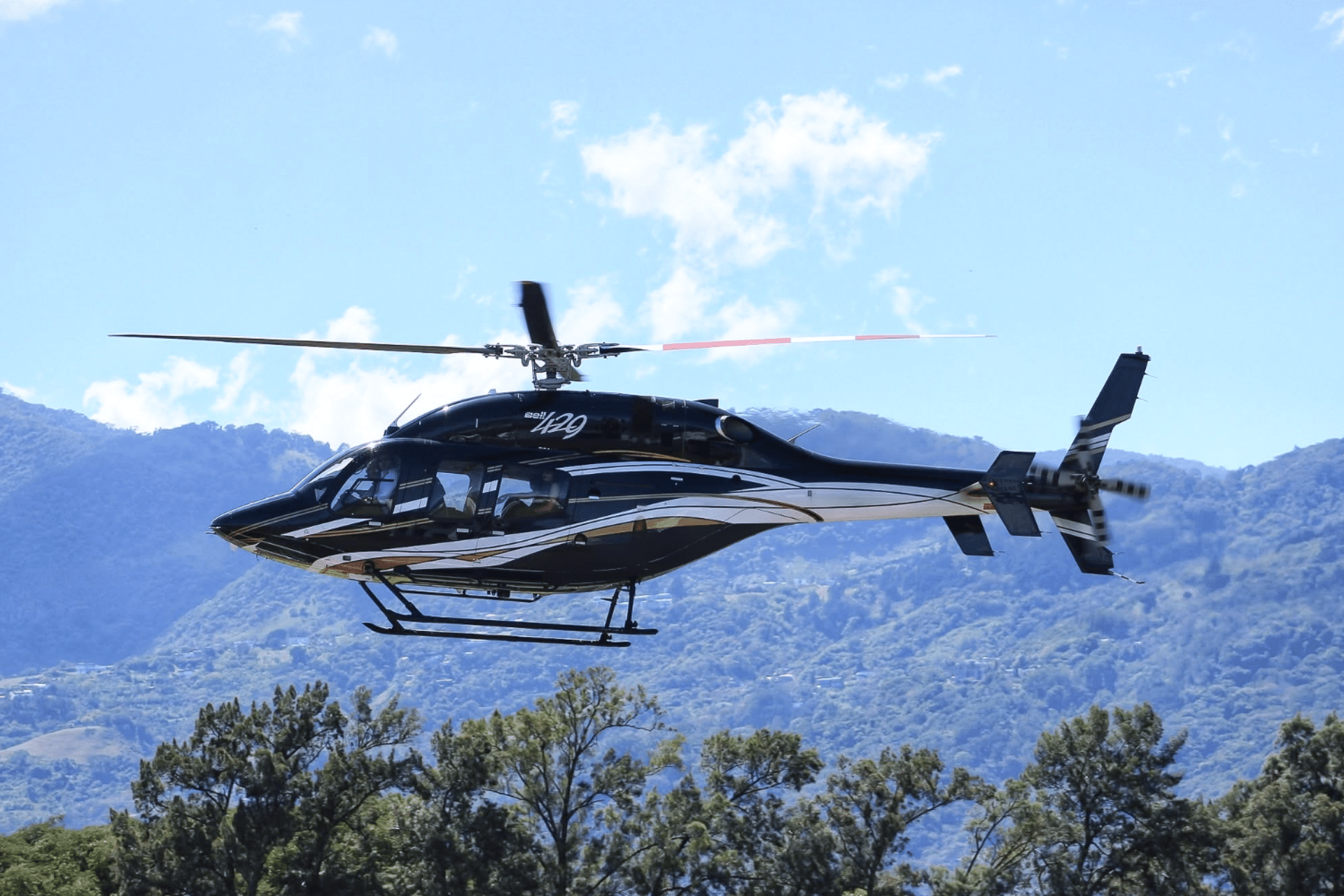
The biggest pricing driver is usually the aircraft itself. Helicopters and fixed-wing airplanes serve different purposes, and within each category, operating costs vary based on size, range, fuel burn, speed, payload, and onboard configuration. A light helicopter used for a short scenic route will be priced very differently from a larger aircraft arranged for executive transport between multiple destinations.
The right aircraft is not always the least expensive option on paper. A faster airplane may reduce total travel time and improve productivity for a business itinerary. A helicopter may cost more per hour in some cases, but save hours of ground transfer time by landing closer to the final destination. The best quote is the one that matches the mission efficiently, not simply the one with the lowest starting figure.
Route length also matters, but not in a simplistic per-mile way. Flight time, repositioning requirements, terrain, weather patterns, and airport infrastructure all influence the cost of operating a route. In Costa Rica, geography is part of the calculation. Coastal access, mountain regions, and remote landing areas can create real advantages for charter aviation, but they may also require more precise planning and specialized equipment.
Aircraft type and mission profile
An executive transfer, an aerial filming operation, and a sightseeing charter may all depart from the same region, yet pricing will be built differently for each. A point-to-point business flight is usually priced around aircraft time, crew assignment, airport handling, and the efficiency of the routing. A scenic charter may involve custom routing, hovering considerations in helicopter operations, or extended time over specific landmarks. A production flight may require door-off arrangements, special communication protocols, and additional coordination with the client team.
This is where experience matters. Operators with a long track record in both passenger charter and specialized aerial work can often build a mission more precisely, which affects both execution and cost control. When the mission is clear from the start, there is less risk of adding avoidable charges later.
Passenger count influences aircraft choice, but luggage volume can be just as important. A small group traveling with light bags may fit efficiently into one aircraft, while the same number of passengers with large suitcases, camera gear, or commercial equipment may require a larger platform. That changes the economics quickly.
Airport choice, landing fees, and ground logistics
Not all airports cost the same to use. Some have higher landing fees, parking fees, handling charges, or operating restrictions. Others may offer more efficient access and lower support costs. If your itinerary includes major airports, resort-area airports, or less common airfields, the quote may reflect the differences in local fee structures.
Ground logistics also play a role. A charter operator may need to position aircraft from one base to another before your flight begins. That repositioning time is part of the real cost of delivering the service. In a market like Costa Rica, where operators may support travelers, executives, and production teams across different regions, base location can materially affect pricing and response time.
That does not mean repositioning is a negative. Often, it is simply part of creating a customized flight plan. It becomes expensive only when the schedule or routing is inefficient. A well-planned itinerary can sometimes reduce those extra segments.
Timing affects cost more than many travelers expect
Travel date and time can influence charter pricing in several ways. High-demand periods, holiday peaks, and short-notice requests often increase cost because aircraft and crew availability tighten. If the operator has to rearrange assets quickly or hold an aircraft for your preferred slot, that flexibility has value.
Same-day and next-day bookings can still be viable, especially with an experienced operator, but they may come at a premium compared with a flight booked earlier. On the other hand, clients with some flexibility may benefit from more efficient scheduling windows.
Daylight limitations matter too, particularly for certain helicopter operations or routes where weather and visibility patterns are relevant. If a mission requires narrow timing, the operator may need to reserve crew and aircraft capacity in a way that affects price.
Weather, safety margins, and operational complexity
Weather does not just determine whether a flight can operate. It can also affect how it is planned. Seasonal conditions, visibility, wind, alternate routing, and airport suitability all influence mission complexity. In private aviation, especially in a country with varied terrain and microclimates, planning conservatively is part of professional service.
This is one of the clearest examples of the difference between a quote and a commodity. A safety-driven operator prices for legal compliance, proper crew planning, and operational discipline. That may not always produce the cheapest number, but it does produce a more reliable service standard.
For clients moving executives, family members, VIP guests, or production teams on a tight schedule, reliability has real financial value. A lower quote that overlooks weather planning, airport limitations, or crew duty constraints can become more expensive if it leads to delays or last-minute changes.
One-way, round-trip, and waiting time
Clients are often surprised that a short one-way charter can sometimes be priced higher than expected. The reason is simple: the aircraft may still need to return to base or reposition for its next assignment. If there is no follow-on flight that naturally absorbs that movement, the cost remains part of your mission.
Round-trip bookings can sometimes create better value because the aircraft utilization is clearer. The same is true when a helicopter or airplane is held for a multi-stop day of travel. In those cases, the operator can structure the mission around a defined period of use rather than separate disconnected segments.
Waiting time is another factor. If you are flying to a meeting, a resort, or a filming location and need the aircraft to remain available for a return leg, the quote may include standby costs, crew time, or parking charges. That is normal in charter aviation. The aircraft is not just taking you somewhere – it is being reserved around your schedule.
Specialized services add cost, but often add more value
Not every charter request is standard passenger transport. Aerial photography, film production, industrial survey support, and custom tourism flights require a different level of planning. The aircraft setup, route design, crew briefing, safety procedures, and communication between the flight team and client can all become more involved.
Those details affect price, but they are often what make the mission successful. A production team, for example, may need stable flight profiles, repeated passes, specific light windows, and room for gear. An operator that understands those needs can price the mission accurately from the start rather than improvising once the aircraft is airborne.
For premium leisure travelers, the same principle applies in a different way. A custom helicopter experience over the coastline or a direct transfer to a remote destination is not only transportation. It is time saved, privacy preserved, and access improved.
Why quotes differ between operators
If you request pricing from multiple providers, do not assume every quote includes the same scope. One operator may bundle handling, waiting time, fuel assumptions, and crew expenses into a single number. Another may present a lower base price with additional charges applied later. That is why comparing charter options requires more than comparing totals.
A reputable operator should be able to explain what is included, what could change, and what assumptions the quote is based on. In a premium market, transparency is part of the service. Aerotour, for example, serves clients who expect both operational credibility and tailored execution, so pricing conversations need to be clear, practical, and grounded in the real mission profile.
The best approach is to provide complete trip details early: passenger count, baggage, preferred departure time, flexibility, destination, return needs, and any special purpose for the flight. The more precise the brief, the more precise the quote.
Private aviation pricing is shaped by mission reality – aircraft capability, airport choice, timing, logistics, and service level. When you understand those variables, the quote stops being a mystery and starts becoming a planning tool that helps you choose the right aircraft, the right operator, and the right level of support for the trip ahead.