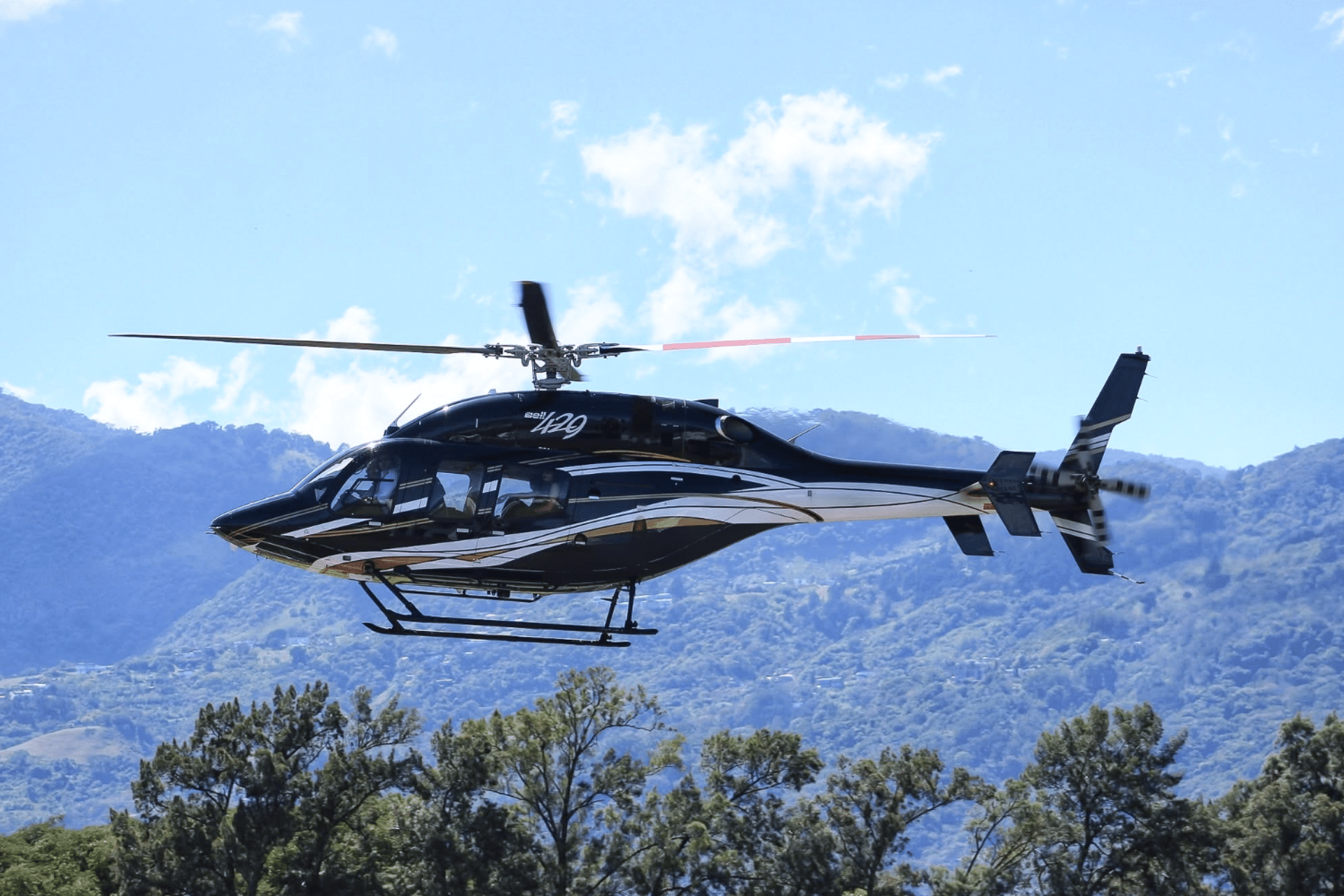

How to Charter a Private Plane


A private flight usually starts long before takeoff. It starts with a schedule that commercial airlines cannot support, an arrival point that is closer to the final destination, or a trip where privacy, speed, and control matter as much as the destination itself. If you are wondering how to charter a private plane, the process is more straightforward than many first-time clients expect, but the quality of the result depends on the operator you choose and the details you share.
Private charter is not one product. It can mean an executive transfer between major cities, a family flight to a remote resort, a multi-stop inspection tour, or a production movement that needs exact timing and specialized coordination. The best charter experience comes from matching the aircraft, routing, and support plan to the mission, rather than forcing the trip into a standard schedule.
How to charter a private plane step by step
The first step is defining the trip clearly. An operator will typically need your departure city, destination, preferred dates, passenger count, luggage requirements, and whether the flight is one-way, round trip, or part of a multi-leg itinerary. If your travel dates are flexible, that can sometimes improve aircraft availability and pricing.
It also helps to explain the purpose of the flight. A corporate roadshow, a luxury vacation transfer, and a location scout may all involve the same route, but they do not require the same onboard setup, ground handling, or timing tolerances. The more precise the mission brief, the more accurately the operator can recommend an aircraft and quote the trip.
Next comes aircraft selection. This is where many travelers assume bigger is always better. In practice, the right aircraft depends on runway access, range, passenger comfort expectations, baggage volume, and total travel time. A light aircraft may be ideal for a short regional trip with a small group, while a larger plane may be necessary for longer sectors, added cabin comfort, or heavier luggage loads.
In Costa Rica and similar regional markets, airport access matters just as much as cabin preference. Some destinations are better served by smaller aircraft that can use shorter runways or less congested airports. If your goal is to reduce ground travel after landing, the best charter option may not be the largest jet available. It may be the aircraft that gets you closest to where you actually need to be.
After the aircraft is identified, the operator will issue a charter proposal. This usually outlines the schedule, routing, aircraft type, terms, and total cost. At this stage, clients should review not only the price but also what is included. Some quotes cover standard ground handling, crew, and basic catering, while others separate out certain services depending on the itinerary.
Once the proposal is approved, the booking moves into trip coordination. Passenger details, identification documents, customs information for international sectors, and any special requests are collected. This is also the point when a strong operator proves its value. Clear pre-flight communication, realistic timing, and proactive coordination often matter more than the sales conversation itself.
What affects the cost to charter a private plane
Price is one of the first questions clients ask, and the honest answer is that it depends on the mission. Charter pricing is driven by aircraft category, flight hours, airport fees, crew expenses, repositioning, overnight requirements, and the complexity of the itinerary. A short domestic hop on a smaller aircraft is a very different cost profile from a multi-day trip with waiting time, multiple landings, and international permits.
One-way flights can sometimes appear expensive compared with round trips because the aircraft may need to reposition before or after your sector. That does not mean the quote is inflated. It reflects the practical cost of moving the aircraft and crew to support your itinerary. In other cases, a round trip with same-day return may be more efficient than two separate bookings.
Seasonality also plays a role. Peak tourism periods, high-demand holiday dates, and short-notice requests can affect both availability and pricing. If the trip is discretionary rather than time-critical, booking earlier gives you more options and often a better aircraft match.
Clients should also understand what they are paying for beyond the flight itself. A professional charter service includes operational planning, regulatory compliance, crew scheduling, safety oversight, and real-time coordination. In premium aviation, the value is not only the seat on board. It is the reliability behind the departure.
How to evaluate a charter operator
Knowing how to charter a private plane also means knowing how to vet the company operating it. Safety credentials should be the starting point, not a footnote. Ask whether the operator is properly certified for charter operations, what regulatory authority oversees it, and what standards govern its maintenance and crew procedures.
Experience matters too, especially in destinations where weather patterns, terrain, airport limitations, and local logistics can affect operations. A long-established operator with regional knowledge will often anticipate issues that a less experienced provider may only react to later. That can mean better routing decisions, smoother transfers, and fewer surprises on the day of travel.
It is also reasonable to ask practical questions. Who is operating the aircraft? Is the company the direct operator or acting as a broker? What type of aircraft is planned, and is that final or subject to change? How are delays communicated? What happens if weather affects the route? Serious operators answer these questions clearly because trust is part of the service.
For travelers and business clients in Costa Rica, local operating depth can be especially valuable. An experienced company such as Aerotour brings not only aircraft access, but also decades of regional flight knowledge, DGAC certification, and ICAO-aligned operational discipline. That is the kind of foundation clients should look for when timing, safety, and discretion are non-negotiable.
Choosing the right private plane for the trip
The aircraft should fit the mission, not the marketing image. For short executive travel, efficiency and airport access may matter more than cabin size. For a leisure group heading to a remote destination, luggage capacity and ease of boarding may carry more weight. For media or technical teams, equipment handling and precise scheduling may be the priority.
There are trade-offs. A faster aircraft may reduce time in the air but limit access to certain smaller airports. A larger cabin may improve comfort but increase operating cost and require different airport infrastructure. A nonstop routing may be possible with one aircraft type but unnecessary if a shorter field airport closer to the destination saves more total time.
This is why a consultation matters. Good charter planning is not about selling the most aircraft. It is about identifying the most efficient solution for the traveler, the route, and the operational environment.
What to expect after booking
Once the charter is confirmed, the passenger experience should be straightforward. You will receive a final itinerary, departure instructions, baggage guidance, and any documentation requirements. For international sectors, passport details and customs coordination are typically handled in advance to avoid delays.
On the day of departure, private aviation usually means arriving much closer to flight time than on a commercial airline, but that should never be confused with a lack of procedure. Security, identity verification, and operational checks still apply. The difference is that they are handled with more efficiency and less congestion.
If your trip includes multiple stops, same-day meetings, resort transfers, or specialized timing, your operator should remain in active contact throughout the mission. That level of oversight is part of what clients are buying. A private charter should feel controlled and responsive, not improvised.
Common mistakes first-time charter clients make
The most common mistake is giving too little information at the quote stage. If you mention only the route and passenger count, the operator may not know about oversized luggage, schedule sensitivity, ground transfers, or the fact that one passenger is continuing onward with a separate return date. Those details affect aircraft choice and operational planning.
Another mistake is comparing charter quotes as if they are identical products. A lower number may reflect a different aircraft category, different terms, or a less suitable schedule. Price matters, but value comes from comparing the full operating plan, not just the total on the page.
Finally, some clients wait too long to book and then expect ideal availability. Charter can move quickly, especially in busy travel periods, but the best outcomes usually come with enough lead time to evaluate options carefully.
Chartering a private plane is ultimately a logistics decision as much as a luxury one. When the aircraft, operator, and itinerary are properly aligned, the result is not just comfort. It is time saved, friction removed, and access gained. If you start with the mission, ask the right questions, and work with an experienced certified operator, the process becomes clear very quickly.