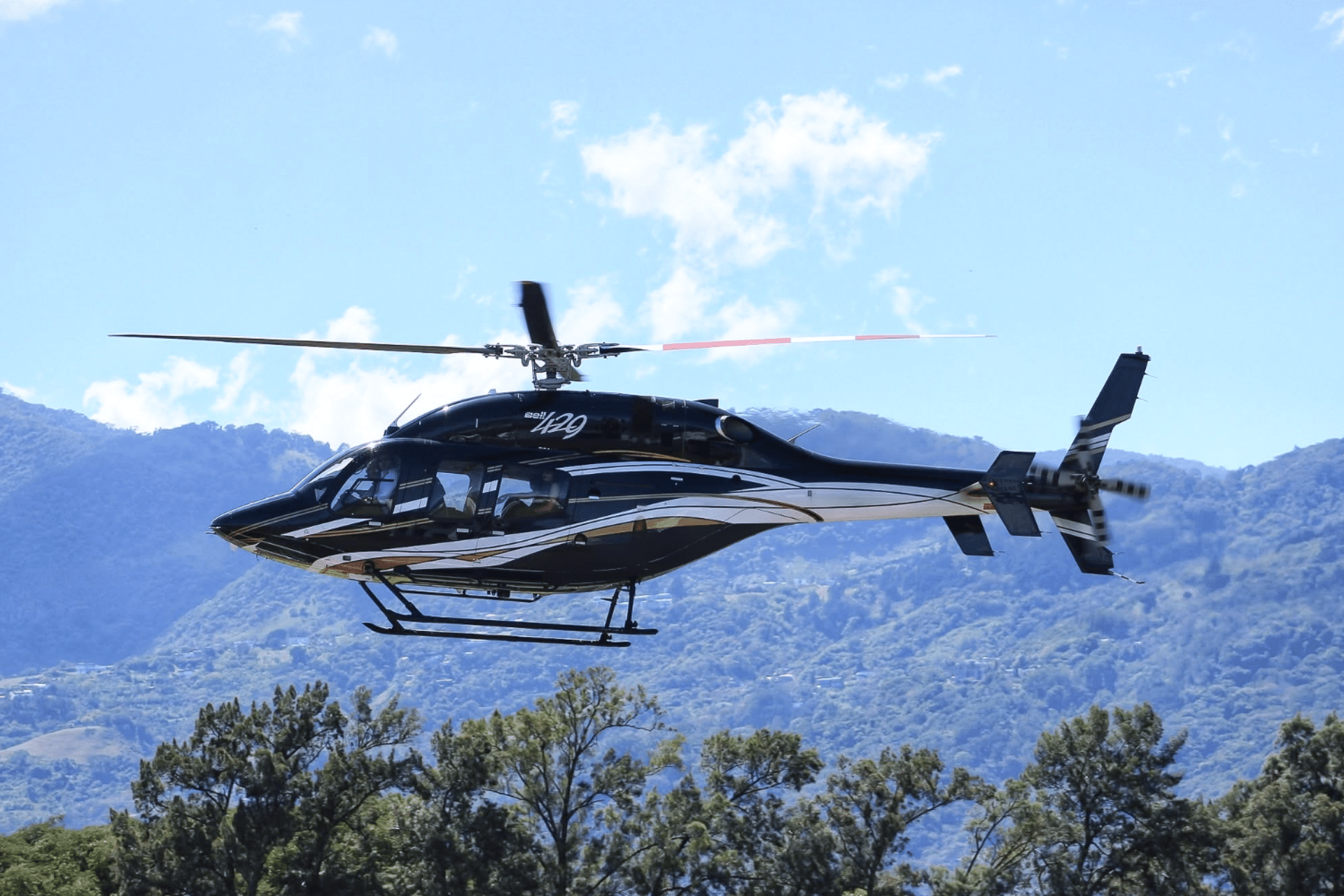

Aviation Safety Review for Private Flights


A private flight can turn a long transfer into a direct arrival at a resort, meeting, remote site, or filming location. But convenience should never be separated from due diligence. An aviation safety review gives travelers, executive assistants, and production teams a practical way to assess whether an operator is prepared to conduct a specific mission safely, professionally, and within the limits of its authorization.
For private aviation in Costa Rica, the review should go beyond the appearance of the aircraft or the speed of a quote. Mountain terrain, rapidly changing weather, remote airstrips, coastal conditions, and mission-specific requirements can all shape the right operational decision. The best operator is not simply the one that says yes first. It is the one that plans thoroughly, communicates clearly, and is willing to adjust when conditions require it.
What an Aviation Safety Review Should Cover
A meaningful aviation safety review examines the operator, the crew, the aircraft, and the planned flight as connected parts of one operation. A well-maintained helicopter still requires qualified pilots, appropriate weather planning, accurate weight calculations, and a mission that fits the aircraft’s capabilities.
Start with regulatory standing. A legitimate commercial operator should hold the required authorizations from the relevant civil aviation authority and operate under the standards that apply to its service. In Costa Rica, travelers should ask whether the company is certified by the Dirección General de Aviación Civil, commonly known as DGAC, and whether its operating practices align with applicable ICAO standards.
Certification is a baseline, not a shortcut around good questions. The type of authorization matters because a sightseeing flight, executive charter, aerial filming assignment, and industrial support mission can involve different planning needs and operating considerations.
Experience also deserves context. Years in business are valuable when they reflect sustained operational knowledge, trained personnel, documented procedures, and familiarity with local conditions. An operator with a long history serving Costa Rica’s business and tourism corridors will generally understand the practical details that can affect a flight, from weather patterns around the Central Valley to access constraints near remote lodges and work sites.
Operator Credentials Are Only the Beginning
A premium charter experience should include transparency. Before confirming a flight, a client should be able to receive a clear explanation of the aircraft category, passenger capacity, baggage limits, estimated flight time, departure arrangements, and any conditions that could affect the schedule.
The operator should also be able to discuss its maintenance approach in straightforward terms. Commercial aircraft maintenance follows scheduled inspections and manufacturer requirements, but a useful conversation is less about technical jargon than about accountability. Who maintains the aircraft? How are discrepancies handled? What is the process if an aircraft becomes unavailable before departure?
The answer should not be vague. A dependable provider has contingency procedures and does not treat an aircraft substitution as a casual detail. If a replacement aircraft is proposed, the client should understand how it changes seating, baggage capacity, cabin configuration, range, or mission suitability.
Insurance is another reasonable area for professional clients to address, especially for corporate travel, productions, and specialized work. Requirements vary by mission and contract, so the right level of documentation depends on the assignment. A credible operator will know what information can be provided and how to coordinate with a client’s risk management or production team.
Crew Experience Must Match the Mission
Pilots are trained and licensed for the aircraft and operations they conduct, yet mission fit still matters. Flying executive guests from San José to a coastal destination is different from supporting a camera crew, conducting low-level aerial photography, or moving equipment to a location with limited infrastructure.
For standard private charter, clients should expect a qualified crew with local route knowledge and sound decision-making. For specialized aerial operations, ask whether the pilot and support personnel have experience with the specific task. Aerial filming, for example, requires close coordination among the pilot, camera team, ground crew, and producer. The goal is not just a visually successful shot. It is a flight conducted with defined communication, appropriate equipment, and clear operational boundaries.
There is a practical trade-off here. The most direct route or most dramatic camera angle may not be the right choice given weather, terrain, airspace, passenger comfort, or aircraft performance. Experienced crews explain those constraints early and offer workable alternatives rather than making promises that pressure the flight decision.
Aircraft Selection Is a Safety Decision
Private aviation is often discussed in terms of speed and privacy. Aircraft selection is equally a question of capability. The right aircraft depends on passenger count, total passenger and baggage weight, route length, landing-site conditions, expected weather, and the nature of the mission.
A helicopter may provide exceptional access for scenic routes, resort transfers, remote locations, and aerial production work. A fixed-wing aircraft may be a stronger fit for longer regional sectors, groups with more baggage, or routes served by suitable airports. Neither option is automatically better. The appropriate choice is the one that meets the mission without forcing compromises on loading, fuel planning, or operating margins.
Clients can help the planning process by sharing accurate information from the beginning. This includes the number of passengers, approximate baggage dimensions and weight, special equipment, preferred schedule, destination details, and any mobility or accessibility needs. For productions, the operator should also know about camera mounts, loose equipment, communications needs, and the desired working area.
Accurate details allow the flight team to assess the mission properly before the day of departure. Last-minute additions can be manageable, but they may change the aircraft recommendation or require adjustments to the plan.
Weather Decisions Show Professional Judgment
Costa Rica offers extraordinary aerial scenery, but its weather requires respect. Rain, low clouds, wind, and reduced visibility can develop quickly in some regions and seasons. A safe operator monitors conditions before and during the flight, but weather planning is not just a forecast check performed once before takeoff.
Clients should expect timely communication when weather may affect a departure, route, landing, or return schedule. Sometimes the best solution is a modest delay. In other cases, a reroute, alternate landing location, or rescheduling may be necessary. For time-sensitive executive travel, an operator can often develop alternatives, but no itinerary should assume that weather limits can be negotiated away.
This is where service and safety reinforce each other. Clear communication helps travelers protect meetings, hotel arrangements, ground transportation, and production schedules without placing unreasonable pressure on the crew. A provider that explains the decision and presents options is protecting both the mission and the people involved.
Questions Worth Asking Before You Book
A focused conversation can reveal more than a generic safety statement. Ask whether the operator is authorized for the requested service, what aircraft is proposed and why, and whether the crew has relevant experience for the route or specialized mission. Confirm the baggage allowance, passenger seating, departure point, ground handling, and weather contingency process.
Corporate teams and production managers may also need to ask about documentation, invoicing requirements, client confidentiality, equipment coordination, and on-site operational support. These are not administrative afterthoughts. They affect whether a flight can be executed efficiently and safely.
Be cautious if a provider avoids specifics, offers an unusually low price without explaining what is included, or guarantees a schedule regardless of weather and operating conditions. Private charter is customized by nature, but professional customization is built on real planning, not assumptions.
Safety Is Part of the Service Standard
For travelers, a strong aviation safety review should lead to a simple outcome: confidence that the operator has evaluated the actual flight, not merely sold a seat. At Aerotour, decades of operating experience, DGAC certification, and mission-focused planning support private charter, scenic flights, and specialized aerial work across Costa Rica.
The right private flight feels effortless to the passenger because the complex work happens before the doors close. Choose an operator that treats your time as valuable, your mission as specific, and every operational decision as worthy of care.