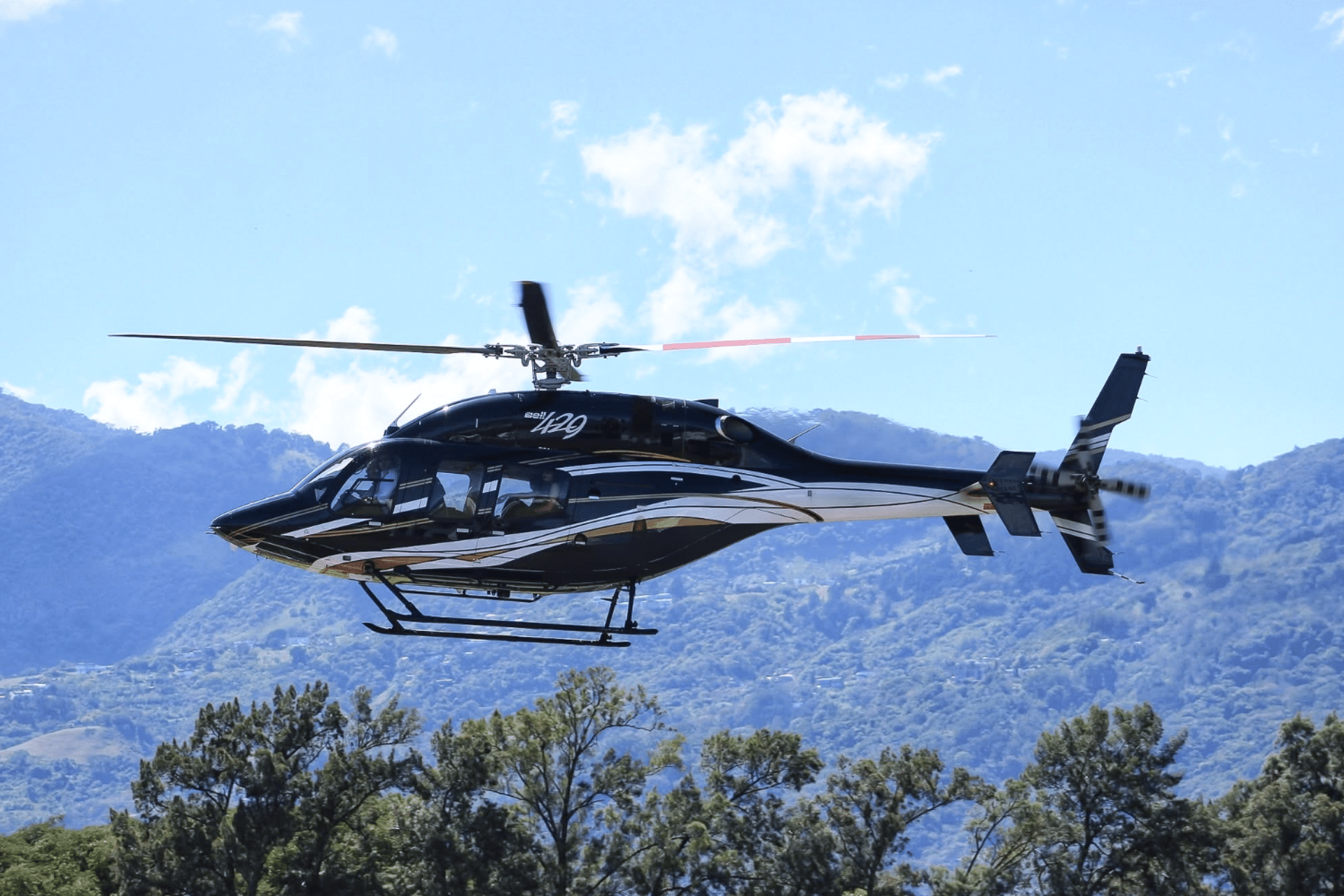

How to Plan Aerial Filming Logistics Well

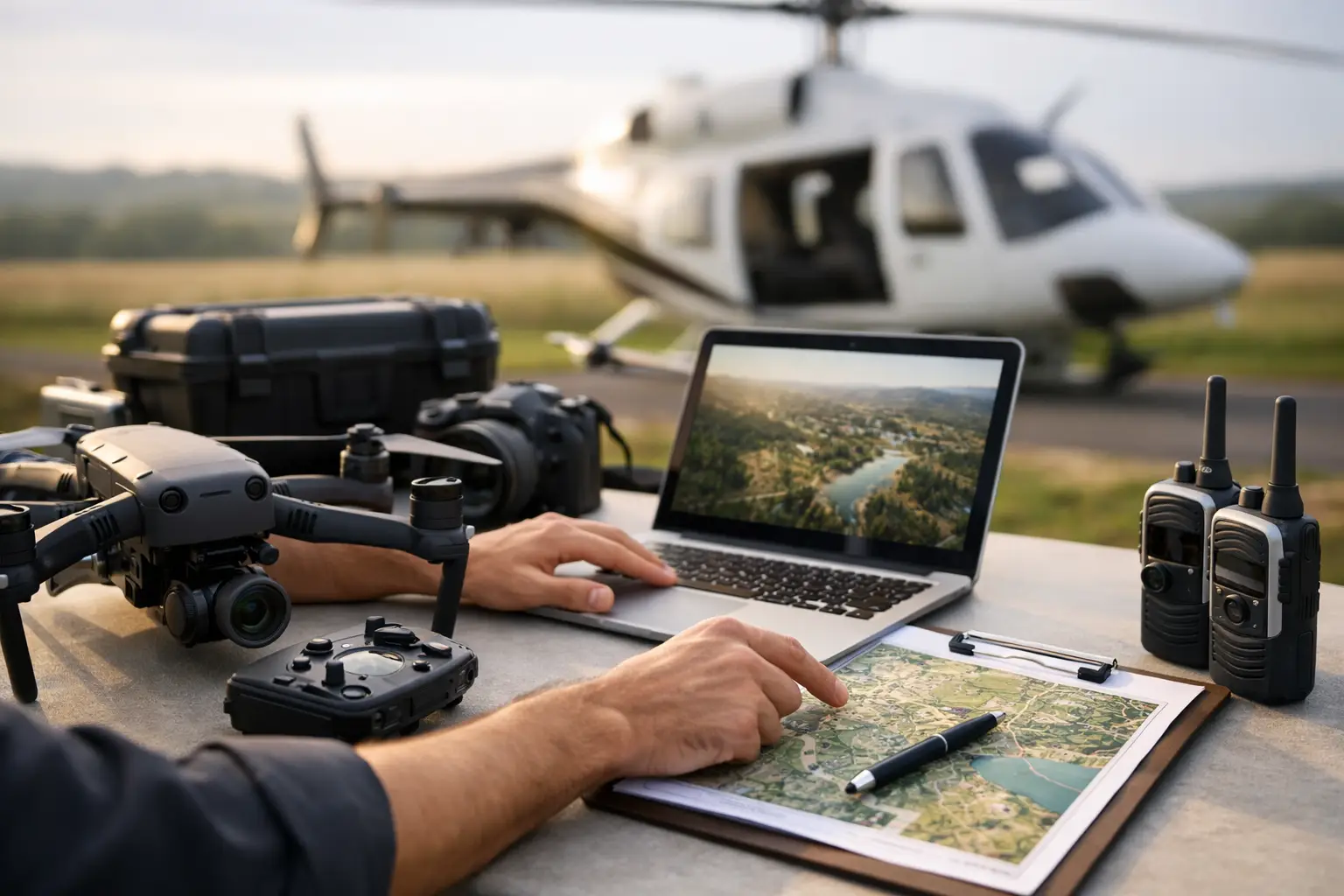
Aerial footage can establish Costa Rica’s scale in seconds: a coastline emerging through morning cloud, a resort framed by rainforest, or a production convoy moving across terrain that is difficult to reach by road. To plan aerial filming logistics well, however, a compelling shot list is only the starting point. The aircraft, permits, crew configuration, operating area, weather window, and ground plan must work as one coordinated operation.
For a commercial, documentary, branded campaign, or high-end travel production, early aviation planning protects both creative ambition and the production schedule. It also gives the flight operator time to recommend an aircraft and mission profile that meet the visual objective without compromising safety or regulatory compliance.
Start With the Shot Requirement, Not the Aircraft
Production teams sometimes begin by requesting a helicopter or airplane without defining how the footage will be captured. That can create avoidable constraints later. A stabilized camera system, handheld cinematography from an approved position, mapping imagery, and a long-lens pass each require different aircraft positioning, cabin access, vibration management, and flight profiles.
Build the creative brief around what must be seen on camera. Include the subjects, intended altitude and perspective, direction of travel, time of day, approximate duration at each location, and whether the sequence needs repeat passes. A reference frame or storyboard is useful, but it should be paired with practical information: the shooting location, dates, crew count, camera payload, and any required ground support.
The operator can then assess whether a helicopter provides the maneuverability and close-range perspective the project needs, or whether a fixed-wing aircraft offers a better platform for longer-distance coverage. A helicopter may be the preferred choice for controlled approaches, coastline tracking, and access to remote areas. A private airplane can be more efficient when the mission involves broad landscapes, extended transit, or work across multiple regions. The right answer depends on the subject, the camera method, and the available operating conditions.
Plan Aerial Filming Logistics Around Permits and Airspace
Costa Rica offers exceptional visual variety, but national parks, protected areas, urban zones, airports, and sensitive infrastructure may involve restrictions or additional authorizations. Permission to film at a ground location does not automatically authorize an aircraft to operate above or near it.
A qualified aerial operator should review the proposed route against controlled airspace, airfields, terrain, local operating limitations, and applicable aviation requirements. If the production involves protected land, public events, low-level work, or special equipment, begin the authorization process as early as possible. Lead time matters, particularly during high-demand travel periods or when multiple agencies need to review the project.
Be precise about the scope of the request. Authorities and aviation teams need more than a general destination. Provide coordinates or clearly defined locations, proposed dates and hours, the purpose of the flight, aircraft type if known, and a description of the filming activity. If the brief changes materially, notify the operator promptly. A new route, a new landing area, or a revised crew count can change the operational assessment.
Match the Aircraft and Crew to the Camera Plan
Aerial filming is a specialized mission, not simply transportation with a camera on board. The aircraft must be suitable for the intended capture method, and the crew must understand their responsibilities before departure.
Weight and balance are central considerations. Cameras, lenses, stabilizers, mounts, batteries, monitors, safety equipment, and production personnel all affect aircraft loading. The usable payload may also vary with fuel requirements, passenger count, altitude, and ambient temperature. A location that appears close on a map can still require a careful fuel and performance plan, especially when it involves mountainous terrain or remote operating areas.
The production should identify one aerial unit lead who can make timely creative decisions and communicate with the pilot or designated flight coordinator. This avoids conflicting instructions during a time-sensitive flight. The pilot retains authority over all aviation and safety decisions, including weather limits, flight path, altitude, landing suitability, and whether a requested maneuver can be performed.
Before filming, hold a short but disciplined briefing covering boarding procedures, approved seating positions, restraint use, sterile-cockpit expectations, communications, camera security, emergency procedures, and the exact sequence of shots. Loose items are unacceptable in an aircraft. Every piece of equipment must be secured, and no camera position or door configuration should be altered without operator approval.
Build a Ground Plan That Supports the Flight
Aerial time is valuable, and the ground operation determines whether it is used efficiently. Confirm the meeting point, passenger manifest, transfer timing, equipment staging area, access controls, and who is responsible for moving gear to and from the aircraft. At private properties, resorts, or remote locations, evaluate the landing area and approach environment well before the filming day.
A suitable landing site requires more than open space. The operator will consider dimensions, surface condition, slope, obstacles, wires, nearby structures, bystanders, vehicles, wildlife, dust, and wind exposure. Ground crew should keep the area clear and follow the pilot’s instructions at all times. Rotor wash can move unsecured materials, create dust, and affect nearby people or equipment.
For multi-location days, allow realistic transition time. The schedule should account for loading, safety briefings, flight time, repositioning, refueling, weather observation, and any required ground coordination. A tightly packed call sheet may look efficient, but it leaves little room for the normal variables of aviation. The best production schedules protect a primary shot window while preserving practical alternatives.
Treat Weather as a Creative and Operational Variable
Costa Rica’s weather can transform quickly across short distances. Coastal conditions, mountain cloud, wind, heat, and seasonal rain patterns may differ substantially from one location to another. The most visually attractive hour can also be the most operationally demanding.
Plan a primary window and at least one credible fallback. That may mean shifting the order of locations, reserving a second morning, preparing a ground-based sequence, or choosing an alternate route with better conditions. A weather contingency is not an admission of uncertainty. It is how experienced productions preserve their ability to deliver.
Light also deserves a practical discussion. Golden-hour footage can be worth the early call time, but it compresses the window for setup and repeat passes. Midday may provide broader visibility but harder shadows and more atmospheric haze. If the final deliverable requires a specific visual mood, explain it during planning so the operator can align the proposed flight timing with safe operating conditions.
Use a Clear Decision Process on the Day
The filming day should not begin with assumptions. Review the latest weather, crew readiness, aircraft status, route conditions, permits, and site access before committing to the mission. If conditions change, the team should know who makes the go, delay, modify, or cancel decision and how that information reaches the production crew.
Keep creative changes organized. A request for one additional pass may be reasonable if time, fuel, weather, and airspace permit. A last-minute request to move to an unreviewed location may not be. The difference is not a lack of flexibility; it is the discipline required to operate professionally.
For productions requiring aerial work across Costa Rica, Aerotour brings the value of an experienced aviation partner with operational bases in San José and Liberia, supporting mission planning that accounts for regional access as well as the final image.
Plan for the Footage After Landing
The flight is only one part of the production chain. Confirm how footage will be transferred, backed up, logged, and delivered before the aircraft departs. If the shoot relies on a specialized camera system or a client-owned recording format, assign responsibility for media handling and verify that the required storage, power, and review equipment are available on the ground.
A quick post-flight review can identify whether a critical shot needs another pass while the aircraft, crew, and location are still available. It is far less costly to discover a framing issue on site than in the edit suite days later.
The strongest aerial productions leave room for judgment. Give your aviation team a defined creative goal, sufficient lead time, and a workable weather alternative, then let operational expertise shape the safest path to the image. That preparation turns a beautiful location into footage a production can confidently use.