
Air Charter in Costa Rica: When It Makes Sense


A meeting in San José, a villa on the Papagayo coast, and a sunset dinner near the Arenal Volcano can be difficult to combine on a commercial schedule. An air charter changes the equation by making the aircraft, departure time, route, and service plan fit the itinerary – rather than asking travelers to shape their plans around airline connections.
For visitors and organizations operating in Costa Rica, private aviation is not simply a luxury choice. It can be a practical tool for protecting valuable time, reaching remote destinations, supporting a production schedule, or moving a team with greater privacy and control. The right solution depends on where you are going, how many people are traveling, what equipment is involved, and how much flexibility the mission requires.
What an Air Charter Provides
An air charter is the private hire of an aircraft for a specific journey or operational assignment. Instead of purchasing individual seats on a scheduled airline flight, the client reserves the aircraft and its crew for an agreed itinerary. That may involve a point-to-point transfer, a multi-stop business day, a scenic helicopter experience, or an aerial platform for filming and photography.
In Costa Rica, that flexibility matters. The country’s business centers, coastlines, mountain regions, rainforests, and resort areas are geographically close on a map but can be separated by winding roads, traffic, weather patterns, or limited scheduled-flight availability. A flight from San José or Liberia can often turn a long ground transfer into a direct aerial connection, subject to airport access, operating conditions, and aviation regulations.
Private charter also creates a more controlled travel environment. Guests can travel with their own group, organize departures around meetings or hotel check-in times, and plan luggage and equipment needs in advance. For executives, this can mean a more productive travel day. For families and leisure travelers, it can mean spending less time in transit and more time at the destination.
Choosing Between a Private Airplane and Helicopter Charter
The most suitable aircraft is determined by the mission, not by appearance. Fixed-wing airplanes and helicopters each offer distinct operational advantages.
A private airplane charter is generally well suited to regional transfers between airports, longer-distance travel, and groups carrying standard luggage. It offers an efficient way to connect key destinations while maintaining the privacy and flexibility of private travel. Aircraft selection should account for passenger count, baggage volume, runway requirements, weather, and the distance of the planned route.
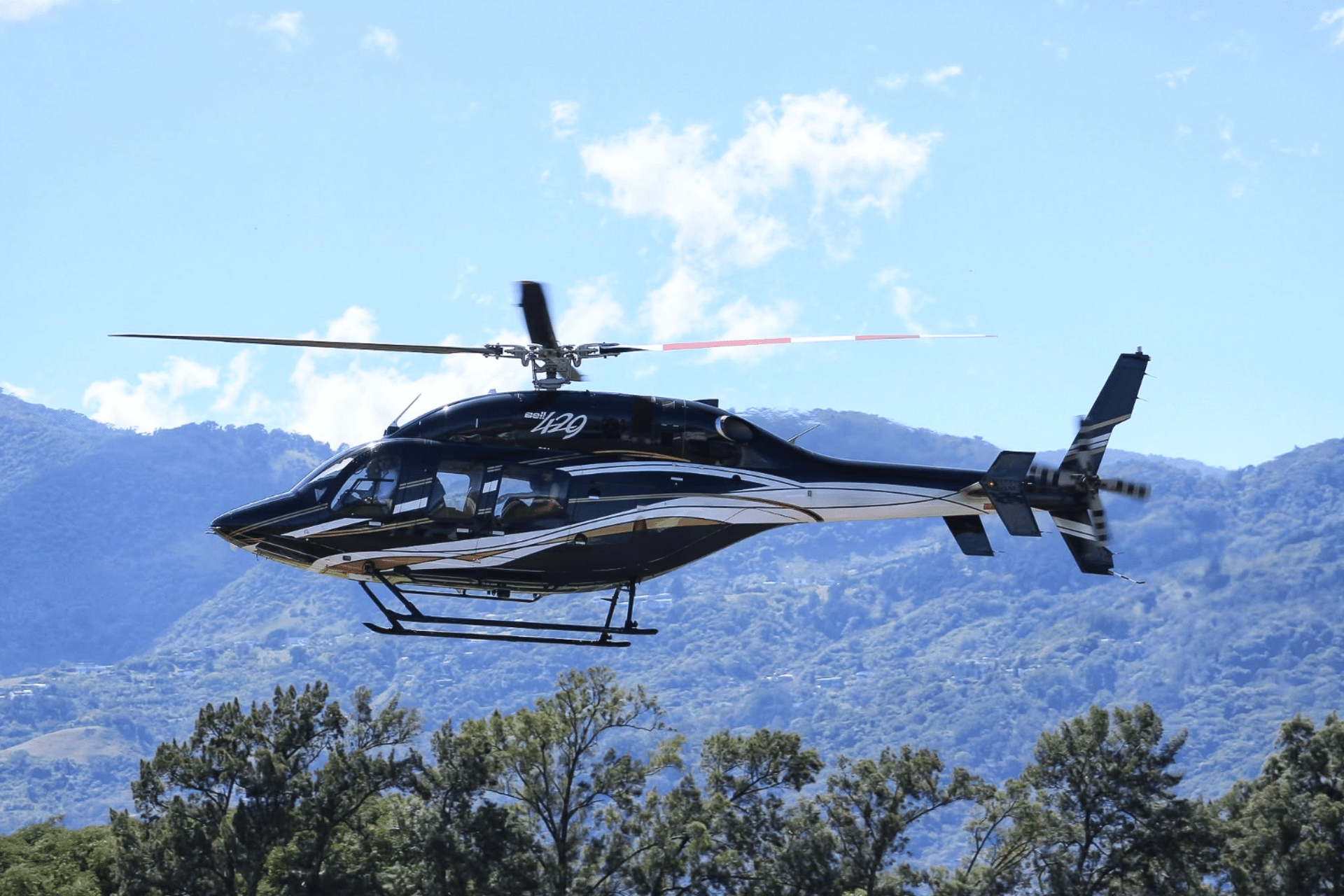
A helicopter charter is especially valuable when access is the priority. Helicopters can serve approved helipads and locations that may be closer to resorts, private properties, industrial sites, or scenic landmarks than a conventional airport. They are also uniquely effective for aerial sightseeing, site inspections, photography, and certain specialized operations.
For example, a couple traveling from an international arrival point to a remote lodge may value the directness of a helicopter transfer. A corporate group traveling between cities may prefer a private airplane with capacity for several passengers and business luggage. A production team may require a helicopter platform and an experienced aviation partner capable of coordinating aerial work safely and precisely.
When Private Aviation Delivers Real Value
The strongest case for charter is rarely based on one factor alone. It is usually the combination of time, access, privacy, and mission requirements.
For business travelers, the value often lies in schedule control. Commercial connections can add hours to a day that already includes meetings, site visits, and road travel. A charter itinerary can be designed around the commitments that matter most, with the ability to depart from strategically located bases in San José or Liberia.
For high-end leisure travel, charter can improve the quality of the entire journey. Costa Rica rewards travelers who can reach its distinct regions efficiently: Pacific beaches, volcanic landscapes, cloud forests, and private retreats. A direct flight can reduce fatigue after an international arrival and provide a memorable first view of the country from above.
For production and industrial teams, the aircraft is often part of the working plan. Aerial filming, surveying, location scouting, and mission-specific support demand more than transportation. They require detailed coordination, clear safety procedures, appropriate equipment, and pilots who understand the operational objective. In these cases, the least expensive option is not always the most appropriate one. Experience and planning can protect both the schedule and the quality of the work.
Safety and Planning Come Before the Flight
Private aviation should feel effortless to the passenger, but dependable charter service is built on disciplined preparation. A credible operator considers crew qualifications, aircraft maintenance, weather, routing, payload, airport conditions, and regulatory requirements before confirming a mission.
Costa Rica’s changing terrain and tropical weather make this preparation particularly relevant. A route that looks simple may involve afternoon weather development, mountain conditions, or operational limitations at a destination. Professional flight planning includes realistic alternatives, clear communication, and decisions that place safety ahead of a preferred schedule.
Clients should expect an operator to ask useful questions. How many passengers are traveling? What luggage, camera equipment, or specialized cargo is required? Are there time-sensitive commitments at either end of the journey? Is the destination an airport, a helipad, or a remote work site? These details allow the operator to recommend an aircraft and routing plan that are appropriate rather than merely available.
Aerotour brings operating experience dating to 1973, DGAC certification, and adherence to ICAO standards to private charter and specialized aerial missions in Costa Rica. Those credentials matter because aviation decisions should be supported by established procedures, trained personnel, and a clear understanding of local operating conditions.
What Shapes the Cost of a Charter Flight
Charter pricing is tailored to the mission. There is no single rate that accurately applies to every flight, because the operational variables can differ significantly from one request to another.
The principal factors include aircraft type, flight duration, route, passenger and baggage requirements, crew positioning, airport or landing fees, and the complexity of the schedule. A simple daytime transfer between established airports will be planned differently than a helicopter mission involving multiple landings, an aerial camera crew, or a remote-site operation.
It is also useful to compare charter value against the full cost of the alternative. A longer road transfer may require additional hotel time, private ground transportation, security arrangements, or lost working hours for several people. For a group with a demanding schedule, the time recovered through direct aviation can be as valuable as the flight itself.
The best quote is not necessarily the lowest figure on paper. A clear proposal should identify the aircraft, expected itinerary, included services, and any conditions that could affect the operation. Transparent planning gives clients the information needed to make a confident decision.
How to Plan a Better Charter Experience
The planning process works best when it begins early, particularly during peak travel periods or when the mission involves a specific aircraft type, multiple destinations, or specialized equipment. Early coordination creates more options and allows the aviation team to assess the operational details without rushing.
Share the purpose of the trip as well as the itinerary. A traveler who needs a quiet, direct transfer has different needs from a group arriving for a destination event. A filmmaker may need doors-off capability, camera-mount coordination, route rehearsals, or carefully selected light conditions. A company conducting a site visit may need an aircraft that accommodates safety gear and a return schedule that remains flexible.
Be realistic about weather and timing. Aviation is highly planned, but it is never detached from real-world conditions. An experienced operator will communicate changes promptly and recommend practical alternatives when needed. That approach may occasionally require patience, yet it is fundamental to a safety-led operation.
The most rewarding charter flights are planned around the purpose of the journey, not just the distance between two points. Whether the priority is a productive executive day, an exceptional arrival, or precise support for a professional mission, begin with the outcome you need and let the aircraft serve it.