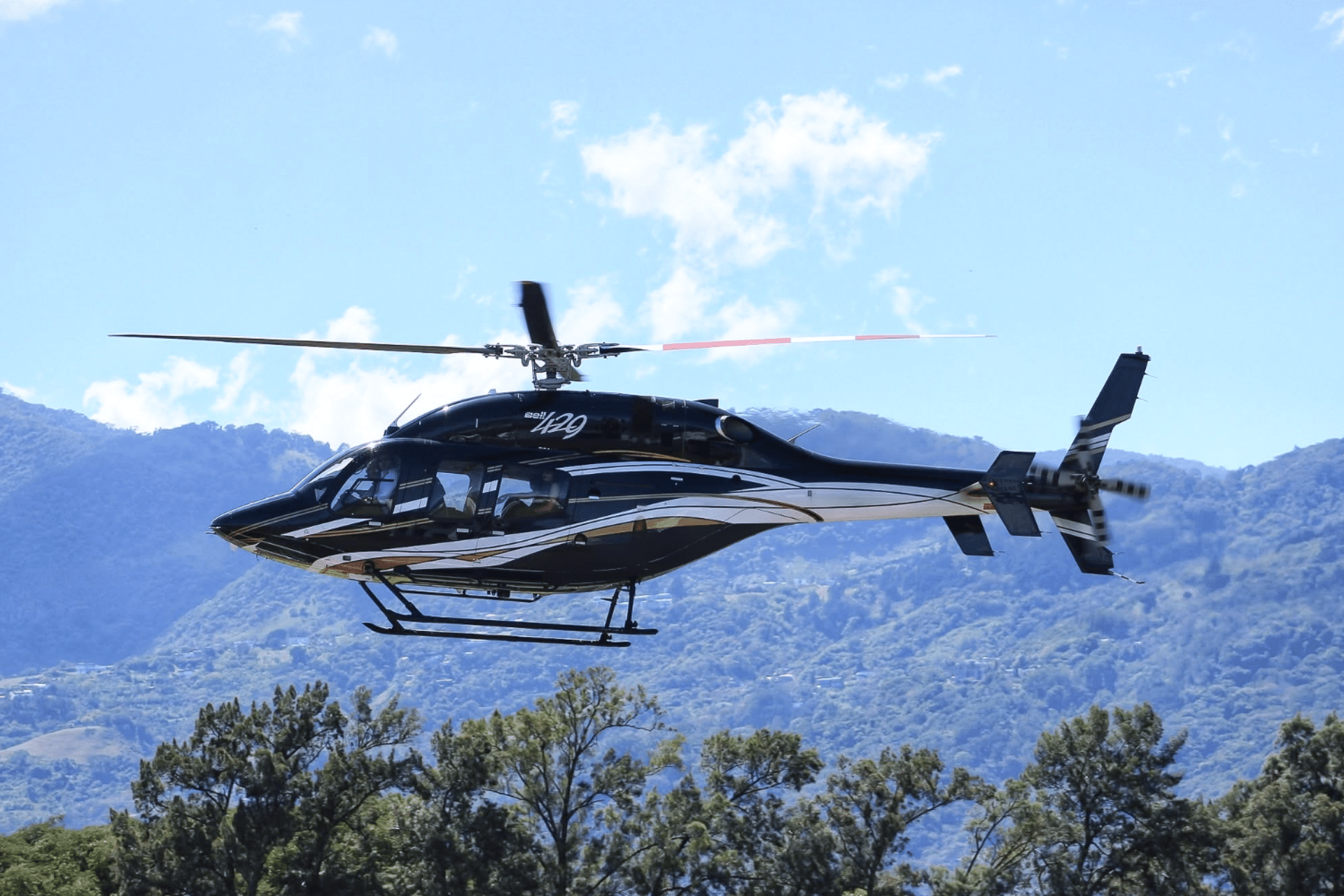

How to Book Helicopter Charter in Costa Rica


A helicopter can turn a multi-hour road transfer into a short, private flight above coastlines, rain forests, and mountain terrain. But knowing how to book helicopter charter service well means looking beyond the departure time and quoted price. The right flight depends on your route, passenger count, baggage, landing options, weather considerations, and the operating standards behind the aircraft.
For leisure travelers, a charter may be the most efficient way to connect San José, Liberia, a remote lodge, and a coastal destination without losing a day to ground travel. For executives and production teams, it can create direct access to sites where commercial schedules and road logistics do not work. A well-planned booking starts with a clear mission and a qualified operator that can translate that mission into a safe, practical flight plan.
Start with the purpose of the flight
Before requesting a quote, define what the helicopter needs to accomplish. A scenic flight, point-to-point transfer, executive itinerary, aerial filming assignment, and industrial support mission may all use helicopters, but they require different planning.
For a transfer, identify the exact origin and destination, desired departure window, number of passengers, and expected baggage. Include the address or property name rather than assuming every hotel, resort, or private residence has an approved landing area. The operator will need to confirm whether a helipad is available, suitable, and authorized for the proposed operation. If not, the flight may use the nearest airport or a designated landing site, with ground transportation arranged for the final segment.
For aerial filming or photography, the brief should go further. Describe the subject, locations, camera equipment, desired altitude or angle, and whether doors-off operations may be required. These flights involve operational, equipment, and safety considerations that go beyond a standard passenger charter. Giving the aviation team complete information early protects both the schedule and the creative result.
Timing matters as much as destination. Costa Rica’s weather patterns, particularly during the green season, can affect visibility, routing, and departure windows. Morning flights may offer clearer conditions in some regions, while a flexible itinerary gives the operator room to make sound weather-based decisions.
How to book helicopter charter service step by step
The booking process should feel personal, but it should also be precise. Premium charter is tailored service, not an off-the-shelf ticket. The strongest operators will ask detailed questions because the details determine aircraft suitability, regulatory feasibility, and safety.
Share the essential trip details
Begin with your travel date, preferred departure time, route, number of passengers, and baggage requirements. Be specific about large or unusual items, including golf bags, camera cases, surfboards, medical equipment, or field gear. Helicopters have strict weight-and-balance limits, and cargo dimensions can matter as much as total weight.
If the trip involves children, pets, mobility needs, or tight connections to an international or domestic flight, mention that at the first conversation. These factors do not necessarily prevent a charter, but they can influence aircraft selection, loading procedures, pickup location, and check-in timing.
Review the proposed aircraft and itinerary
Once the operator understands the mission, review the proposed aircraft rather than simply comparing passenger capacity. Seating capacity can change depending on passenger and baggage weight, fuel requirements, altitude, and weather conditions. A helicopter that technically seats more people may not be the right option for a fully loaded trip to a higher-elevation destination.
Ask how much luggage is practical for the proposed aircraft, where it will be stored, and whether soft-sided bags are recommended. Clarify the expected flight duration, the departure and arrival points, and any ground transfers required. For a return journey, confirm whether the aircraft and crew will wait nearby, reposition, or return at a later scheduled time.
Confirm what the quote includes
A transparent charter quote should identify the flight route, aircraft type, estimated flight time, and included services. It should also explain possible variables, such as additional flight time, airport or landing fees, overnight crew requirements, ground transfers, special equipment, or mission-specific permits.
Price is understandably part of the decision, but it should not be the only comparison. A lower figure may reflect a different departure point, a less suitable aircraft, limited schedule flexibility, or exclusions that become relevant later. Ask for clarity before confirming, especially when the itinerary includes remote locations, filming, multiple stops, or a time-sensitive business obligation.
Provide passenger information and secure the reservation
After selecting the itinerary, the operator will collect passenger names and other information needed for the flight. Follow the requested timeline for payment, identification details, and any required documents. International travelers should also allow time to understand entry procedures and airport requirements associated with their broader itinerary.
Keep a direct point of contact available before departure. Charter scheduling can require adjustments due to weather, air traffic, or local operational conditions. A responsive passenger contact helps the team communicate quickly and preserve the best available plan.
Choose an operator with real aviation credentials
Helicopter charter is not a commodity purchase. The service is only as dependable as the operator’s aircraft maintenance, crew qualifications, dispatch judgment, and local operating experience.
Ask whether the company is properly certified for the work it performs and whether its operating procedures align with applicable civil aviation requirements. In Costa Rica, DGAC authorization and adherence to ICAO standards are meaningful indicators of an operator’s professional framework. They should be supported by a safety culture that gives pilots and operations personnel the authority to delay, reroute, or cancel a flight when conditions require it.
Experience in the destination is equally valuable. Local knowledge affects route planning, weather interpretation, fuel coordination, landing-site assessment, and communication with properties or production teams. Aerotour’s operating history dating to 1973, along with bases in San José and Liberia, reflects the kind of established regional capability travelers and organizations should seek when planning complex flights.
Do not hesitate to ask practical safety questions. You may want to understand the operator’s maintenance approach, pilot experience, weather decision process, insurance documentation, and procedures for remote or nonstandard landing locations. A professional operator will address these questions directly without treating them as an inconvenience.
Match the aircraft to the mission
Helicopters are selected for more than appearance or cabin style. Passenger load, baggage, range, landing-site conditions, and mission equipment all influence the best choice.
A couple traveling light on a short scenic route may have different needs than a family moving luggage between resorts. An executive team may prioritize cabin comfort, privacy, and arrival timing. A production crew may need a platform capable of supporting approved camera configurations and specialized aerial coordination.
The trade-off is often between capacity, comfort, and operational flexibility. A larger aircraft may provide more room and payload, but it can require different landing-site dimensions or cost more to position. A smaller aircraft may be ideal for a light, fast transfer but less forgiving when baggage is substantial. Let the mission drive the decision, and be candid about what you intend to bring.
Plan for the flight day
Private aviation reduces unnecessary friction, but it still requires discipline. Arrive at the agreed meeting point early enough for the safety briefing, passenger check-in, and baggage loading. Wear comfortable clothing and secure loose items such as hats, scarves, and lightweight jackets before approaching the aircraft.
Listen closely to the crew’s instructions around the helicopter. Passengers should approach and depart only when directed, keep clear of the tail rotor area, and allow crew members to manage doors and baggage. These procedures are straightforward, but they matter every time.
Weather flexibility is part of responsible helicopter travel. If conditions affect safety or visibility, the crew may recommend a revised departure time, alternate route, airport arrival, or ground transfer. This is not a failure of service. It is evidence that operational judgment is being placed ahead of schedule pressure.
For an especially important meeting, resort check-in, event, or onward airline connection, build sensible buffer time into the day. A private charter can save considerable time, but no aviation operation should promise certainty beyond what weather and safety allow.
Make the request detailed, not complicated
The best charter request is concise and complete: where you need to go, when you need to travel, who is traveling, what you are carrying, and what the flight must accomplish. From there, an experienced operator can recommend the aircraft, routing, timing, and support services that fit the mission.
A helicopter charter should feel exceptional because it gives you access to Costa Rica on your terms. The planning behind that experience should be equally deliberate: choose expertise, share accurate details, and leave room for the safety decisions that make every exceptional flight possible.