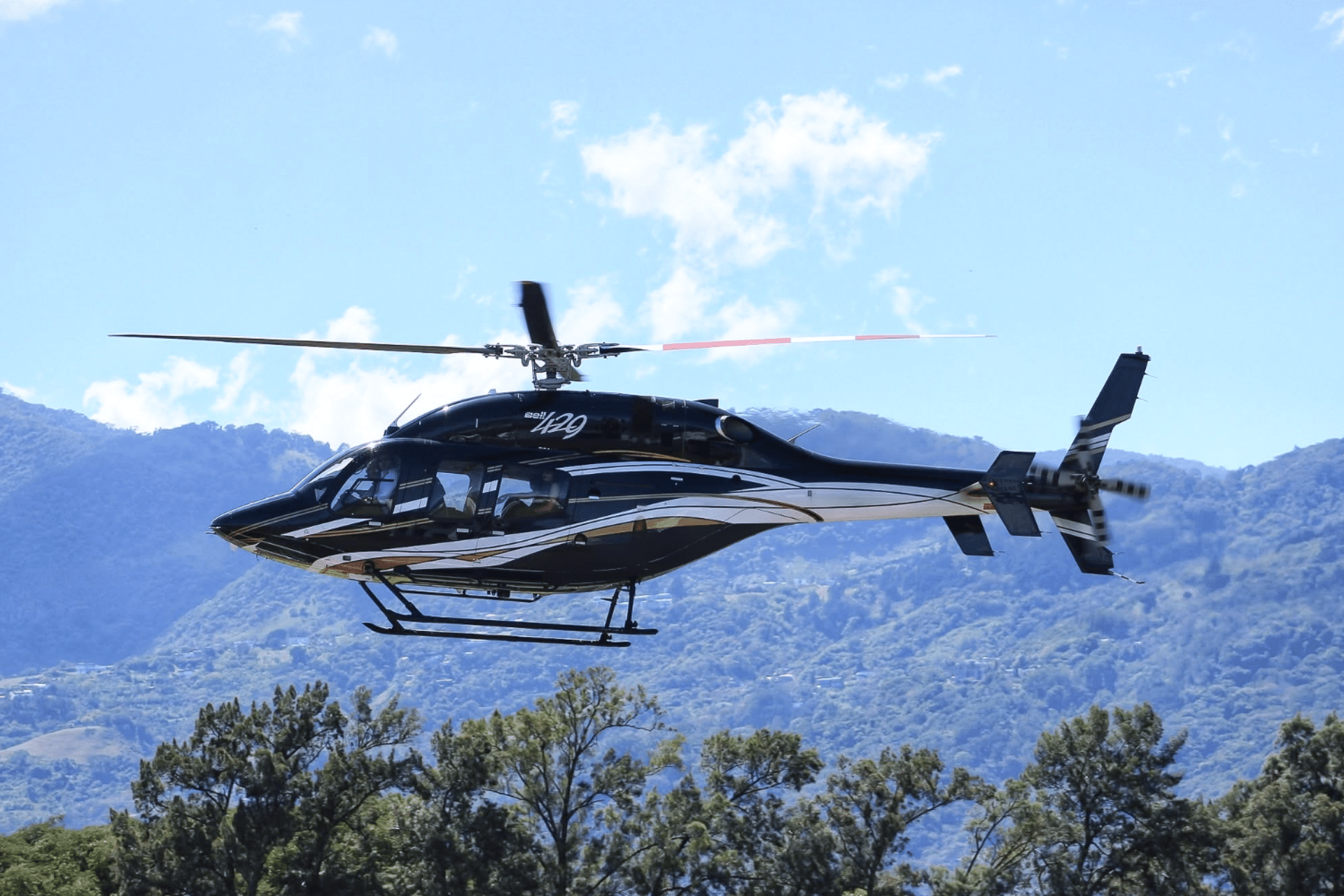

How to Select Charter Aircraft for Costa Rica


A charter quote can look attractive until the aircraft arrives at an airport that is too far from your final destination, cannot accommodate your equipment, or leaves too little margin for Costa Rica’s changing weather. Knowing how to select charter aircraft means looking beyond the cabin and hourly rate. The right choice begins with the mission: where you need to go, who is traveling, what must travel with you, and how much flexibility the itinerary requires.
For an executive transfer from San José to Liberia, a fixed-wing airplane may offer the most efficient solution. For a remote lodge, a coastal property, an aerial production, or a direct arrival near a destination without a conventional runway, a helicopter can be the more practical aircraft. Premium charter is not about choosing the largest aircraft available. It is about choosing the aircraft that fits the operation with the right balance of safety, access, comfort, and time.
Start With the Mission, Not the Aircraft
Before comparing aircraft categories, define the flight in operational terms. A clear brief helps an operator recommend an aircraft based on facts rather than assumptions. Consider departure and arrival points, desired travel dates and times, passenger count, baggage volume, and whether the flight is a one-way transfer, a full-day itinerary, or part of a larger travel schedule.
The purpose of the flight matters just as much. A family traveling to a resort may prioritize luggage capacity, scenic views, and a direct arrival. A corporate team may need a quiet cabin, dependable timing, and coordination with meetings or commercial connections. A film crew could require door-off capability, equipment space, specific camera positions, and an operator experienced in aerial work.
Be candid about luggage and special items. Golf bags, surfboards, camera rigs, medical supplies, presentation materials, and bulky cases can affect aircraft selection more than passenger count alone. An aircraft that seats six people may not carry six people comfortably when each traveler has oversized bags.
Match the Aircraft to Costa Rica’s Geography
Costa Rica rewards thoughtful flight planning. The country’s mountains, coastlines, rainforests, and dispersed destinations are part of its appeal, but they also create real operating considerations. Airport runway length, elevation, local weather patterns, daylight, and access to the final property all influence what aircraft is suitable.
When an Airplane Is the Better Fit
Private airplanes are often the strongest choice for longer domestic sectors, regional travel, executive transportation, and airport-to-airport connections. They typically provide more enclosed cabin space and greater luggage capacity than helicopters, depending on the model. For passengers moving between established airports, an airplane can deliver a comfortable, efficient trip with a clear range and payload profile.
However, fixed-wing aircraft require an appropriate runway at both ends of the journey. That detail can change the itinerary. A destination may be close on a map but still require a ground transfer after landing. Ask the operator where the aircraft can land, how long the onward transfer will take, and whether the proposed airport is the most practical arrival point for your plans.
When a Helicopter Adds More Value
A private helicopter is especially useful when access is the priority. It can reduce ground travel between key destinations, reach approved helipads or suitable landing areas, and offer a more direct route to resorts, estates, remote worksites, and select coastal or mountainous locations.
Helicopters are also well suited to short scenic flights, urgent executive movements, site inspections, and specialized missions. Their cabin capacity and baggage allowances are usually more limited than those of larger airplanes, so the trade-off is straightforward: exceptional point-to-point access in exchange for tighter payload planning. For many Costa Rica itineraries, that trade is worthwhile because it saves hours on the road.
How to Select Charter Aircraft With Safety in Mind
Safety should be evaluated as an operating standard, not a marketing phrase. A professional charter provider should be prepared to explain its certification, regulatory oversight, pilot qualifications, maintenance practices, weather decision-making process, and operational limitations for the proposed flight.
In Costa Rica, ask whether the operator is authorized by the Dirección General de Aviación Civil, or DGAC, for the services being provided. It is also reasonable to ask how the operator aligns its procedures with International Civil Aviation Organization standards. These details help distinguish a properly established operator from a booking intermediary that may not control the aircraft, crew, or maintenance program.
The operator should make conservative decisions when conditions require them. Weather can shift quickly in tropical and mountainous areas, and the safest plan may involve adjusting departure time, using a different airport, waiting for improved conditions, or arranging ground transport for part of a route. That is not a service failure. It is evidence that operational judgment comes before schedule pressure.
Ask who will be responsible for the flight from confirmation through arrival. Direct operational accountability matters, particularly for multi-stop itineraries, production work, or missions with little room for delay. Aerotour brings experience dating to 1973, DGAC certification, and operations from San José and Liberia to this type of planning, helping clients align the aircraft with the actual demands of the trip.
Compare Cabin Comfort, Payload, and Range Honestly
Aircraft selection often becomes clearer when you separate essential requirements from preferences. Passenger capacity, range, and baggage payload are essential. Interior style, catering, and cabin configuration may be preferences, although they can become essential on a longer flight or for a client-facing executive trip.
Do not assume the published seat count represents the best experience for every mission. A helicopter configured for several passengers may feel ideal for a short sightseeing flight but less comfortable if every seat is occupied with personal luggage. Similarly, an airplane’s practical payload can vary with route length, fuel requirements, passenger weight, weather, and airport conditions.
If comfort is a priority, ask about cabin dimensions, seating layout, air conditioning, noise level, and boarding arrangements. If privacy is critical, confirm whether your party will have exclusive use of the aircraft and whether the itinerary can be adjusted without affecting another customer. Private charter should give you control, but control still operates within weather, crew-duty, and airport constraints.
Consider the Full Itinerary and the True Cost
The lowest quoted flight price is not always the lowest total trip cost. An aircraft that lands near your destination may cost more than one that uses a distant airport, yet it can eliminate several hours of private ground transportation, reduce hotel requirements, and protect the value of a tightly scheduled day.
Request clarity on what is included in the quote. Depending on the operation, charges may involve positioning flights, airport or landing fees, crew waiting time, overnight expenses, ground handling, special permits, and extra flight time caused by itinerary changes. A clear quote should describe the aircraft, route assumptions, passenger and luggage limits, estimated flight time, and any items that could change the final price.
For production and industrial missions, the scope should be even more precise. Aerial filming, photography, survey work, and external-load or mission-support flights may require permits, specialized equipment, safety coordination, location assessment, and contingency days. Selecting a capable aircraft is only one part of a successful operation. The operator’s planning discipline and crew experience are equally important.
Give Your Charter Team the Right Information
A good charter experience begins with a complete request. Share your preferred travel times, but also explain what is fixed and what is flexible. If you must arrive before a meeting, a cruise departure, sunset, or an international connection, say so. If the destination is a private residence, resort, construction site, or filming location, provide the exact location early enough for access and landing feasibility to be assessed.
For the clearest recommendation, provide these details at the start:
- Number of passengers, including children and any mobility considerations
- Estimated luggage count, weight, and oversized or fragile items
- Exact departure and arrival locations, plus preferred timing
- Trip purpose, including business, leisure, aerial filming, or technical support
- Any special requirements such as privacy, ground transfers, catering, or equipment handling
This information allows the operator to identify practical constraints before they affect the day of travel. It also creates room to offer alternatives, such as splitting passengers and bags between aircraft, using a helicopter for the final leg, or shifting departure slightly to improve weather and airport availability.
Choose the Operator, Not Just the Tail Number
The aircraft is central to the decision, but the operator determines how well the entire flight is executed. Look for established local knowledge, transparent communication, experienced crews, and a service team that understands both the aviation details and the client’s larger itinerary.
The best recommendation may not be the aircraft you initially expected. It may be a smaller helicopter because your destination access is limited, or a larger airplane because your group’s baggage and schedule leave little room for compromise. A credible charter partner will explain that reasoning plainly and offer choices without overselling.
The right aircraft should make the journey feel considered from the first itinerary discussion to the final landing. When the mission, route, aircraft, crew, and ground arrangements are aligned, private aviation becomes what it should be: a dependable way to spend more of your time where it matters.