
Seguridad en Chárteres Aéreos Privados: Lo que Importa


When a traveler books a private flight, the first question should not be how quickly the aircraft can depart. It should be how the operator manages risk before the passengers ever arrive at the airport. Private air charter safety is built long before takeoff – through certification, training, maintenance discipline, weather judgment, and operational control that holds up under pressure.
That matters even more in a destination like Costa Rica, where private aviation can offer extraordinary advantages. Direct access to remote lodges, coastal resorts, business sites, and filming locations saves time and reduces ground transfers. But terrain, tropical weather patterns, and varied landing environments also make operator quality a serious consideration. In private charter, convenience is valuable. Safety culture is non-negotiable.
What private air charter safety really depends on
Many passengers assume safety is mostly about the aircraft itself. The aircraft matters, of course, but the stronger predictor is the system around it. A well-run charter operation does not rely on a single layer of protection. It builds multiple ones.
That starts with regulatory compliance. A legitimate charter operator should hold the certifications required by the national aviation authority and operate within established aviation standards. In Costa Rica, DGAC certification is a core marker, and alignment with ICAO standards adds another level of confidence for travelers and corporate flight planners who expect internationally recognized operating discipline.
Just as important is operational maturity. An operator with decades of experience has likely seen a wide range of routing, weather, passenger, and mission variables. Experience alone is not enough, but it often reflects tested procedures, better decision-making, and a stronger ability to adapt without compromising standards. In a category where every flight is customized, that matters.
How to evaluate a charter operator’s safety standards
For most clients, the challenge is simple: you are not buying an airline ticket from a household name. You are trusting a company to fly a custom mission safely, often on a tight timeline. The right questions help separate premium presentation from genuine operational quality.
A credible operator should be able to speak clearly about certifications, maintenance practices, pilot qualifications, and flight planning procedures. If answers feel vague, overly sales-driven, or rushed, that is a concern. Safety-focused operators do not treat these topics as obstacles to booking. They treat them as part of the service.
Pilot standards deserve close attention. Private charter flying often involves more variable conditions than scheduled airline flying, especially when flights serve regional airports, private itineraries, or specialized missions like aerial photography. Pilots need not only licenses and flight hours, but relevant experience in the aircraft type, route environment, and mission profile. A captain who is excellent at executive transfer may not be the right fit for low-level production work or operations near changing coastal weather.
Maintenance is another area where detail matters. The relevant question is not whether an aircraft looks immaculate on the ramp. It is whether maintenance is performed on schedule, documented properly, and supported by a culture that never pressures technicians or crews to stretch limits for convenience. Premium charter clients often focus on comfort and privacy, but aircraft availability should never come ahead of airworthiness.
Why weather judgment is central to private air charter safety
Weather is one of the clearest examples of why charter safety depends on operator discipline, not passenger expectations. In private aviation, clients are often paying for flexibility. That can create subtle pressure to depart on time, complete an itinerary, or reach a hard-to-access destination despite changing conditions.
A professional operator knows when flexibility helps and when it becomes a hazard. The safest charter providers use conservative weather planning, monitor conditions continuously, and normalize delay, rerouting, or cancellation when required. That may feel inconvenient in the moment, especially for executive schedules or vacation transfers, but it is exactly what a serious safety culture looks like.
This is particularly relevant in Central America, where mountain terrain, coastal microclimates, rain patterns, and visibility changes can affect conditions quickly. Good judgment is not dramatic. It often looks like a calm decision to wait, reposition, or revise the plan before passengers ever see a problem.
Aircraft type, mission type, and the role of fit
Not every charter mission should be flown the same way. One of the advantages of private aviation is that aircraft can be matched to the job, but that only works when the operator is honest about trade-offs.
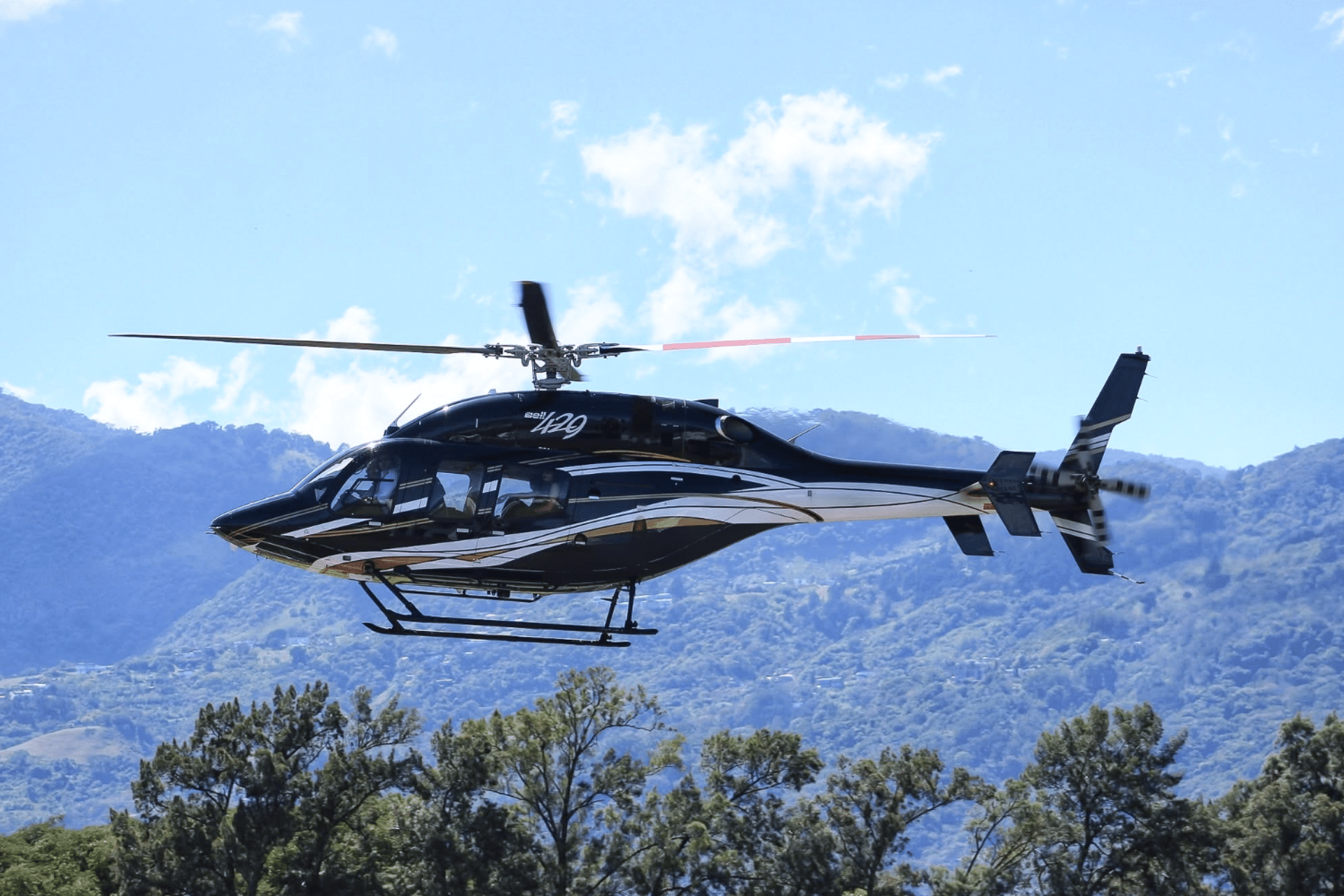
Helicopters offer unmatched access and flexibility for short-range transfers, scenic flights, site inspections, and aerial production. They can be ideal for reaching properties or locations where fixed-wing aircraft are not practical. At the same time, helicopter operations involve their own performance considerations, route planning factors, and environmental limitations. They require mission-specific expertise, not just general aviation experience.
Fixed-wing private aircraft can be the better choice for certain regional transfers, longer distances, or passenger profiles that prioritize speed between established airfields. The safest option is not always the most glamorous or the fastest-looking one on paper. It is the one that fits the route, conditions, payload, and operational objective.
That is why experienced charter planning matters. A strong operator will recommend the right aircraft for the mission, even when that means adjusting expectations. If a provider always says yes without explaining variables, that is not premium service. It may be poor risk management.
Specialized operations require a higher level of control
Private charter is not limited to passenger transportation. Many operators also support aerial filming, photography, surveying, infrastructure work, and other specialized missions. These flights can involve different altitudes, patterns, equipment loads, and coordination requirements than a standard transfer.
In those cases, safety depends heavily on preparation. The operator needs to account for communications, weight and balance, route design, crew coordination, fuel planning, and the interaction between the flight objective and normal operating margins. Production teams and commercial clients should look for operators that understand the technical side of the mission, not just the aircraft.
This is where long-established aviation companies tend to stand apart. They have procedures for both hospitality and complexity. They can support an executive passenger one day and a highly structured aerial filming operation the next without confusing luxury service with operational looseness.
What passengers can do before booking
Clients are not expected to audit an aviation operation, but they can make smart decisions. Ask who regulates the operator and what certifications they hold. Ask about pilot experience in the aircraft and region. Ask how weather decisions are made and whether missions are ever delayed or canceled for safety reasons. A trustworthy answer should sound confident, direct, and specific.
It is also worth paying attention to how the company communicates overall. Organizations with a mature safety culture tend to be responsive, organized, and precise. They gather itinerary details carefully, explain limitations clearly, and avoid promising unrealistic timing. Professionalism on the ground often reflects professionalism in the air.
For travelers visiting Costa Rica, local knowledge is an advantage as well. Operators with established bases, regional familiarity, and a long operating history are generally better positioned to plan efficient, realistic flights. They understand seasonal conditions, airport logistics, and the difference between what looks possible on a map and what is appropriate in actual operations.
Private air charter safety and premium service are not opposites
Some buyers still think there is a trade-off between luxury and discipline, as if personalized service means a more relaxed operating environment. In well-run charter aviation, the opposite is true. The highest level of service usually comes from the operators with the strongest standards.
That is because premium aviation is not just about exclusivity. It is about confidence. Clients want to know the aircraft is right, the crew is qualified, the route is planned properly, and the operator will make the correct decision even when that decision is less convenient. That is real value.
An experienced company such as Aerotour understands that private air charter safety is not a marketing claim. It is the foundation that makes every other promise credible, from executive efficiency to scenic access to mission-specific flight support.
The best private flight experience is the one that feels calm from start to finish, because the hard work of safety was handled well before the engines started.