
¿Son seguros los tours en helicóptero? Lo que debes saber

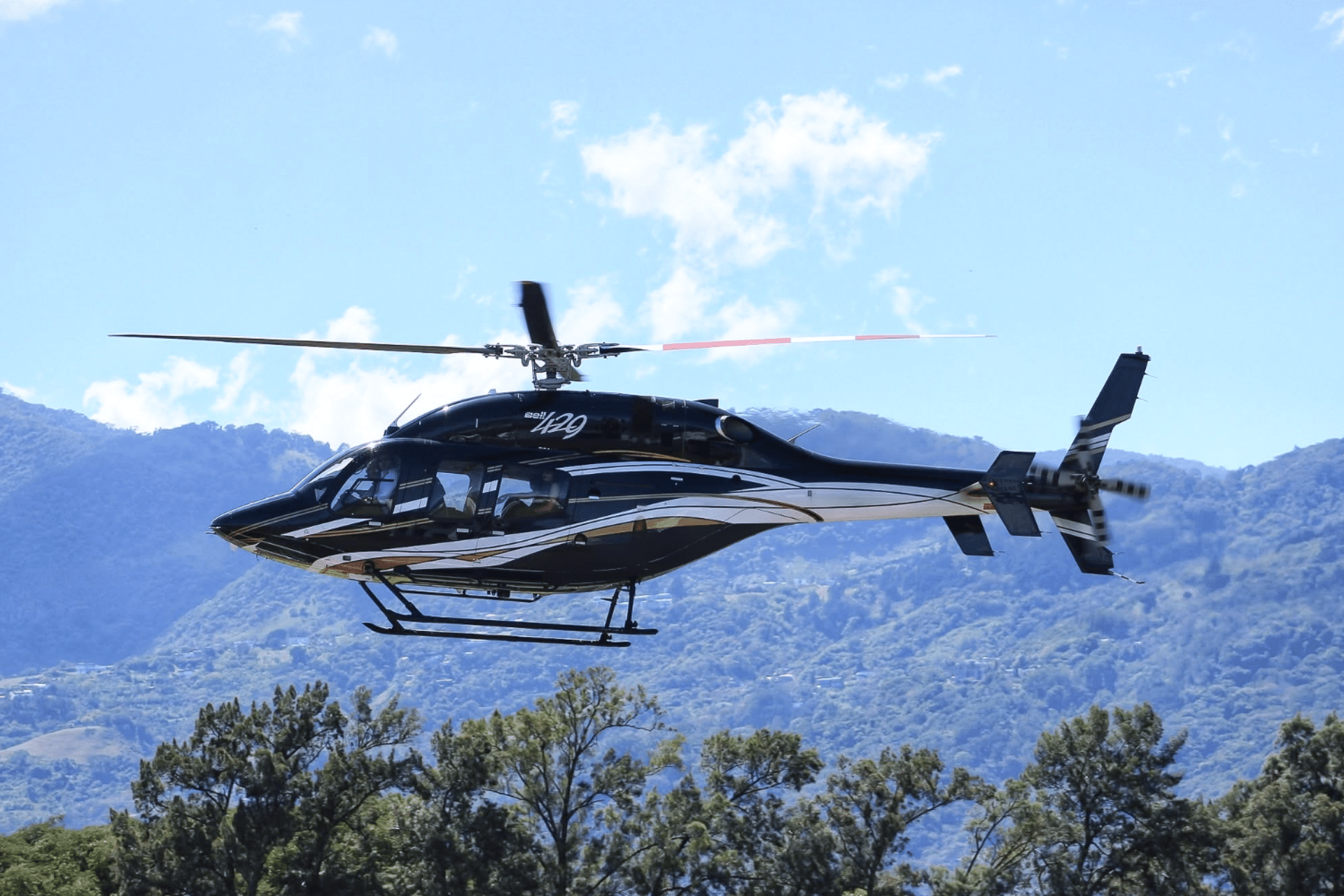
A helicopter tour can lift you over coastline, rainforest, volcanoes, and remote landscapes in a way no road transfer ever will. But before most guests book, they ask the right question: are helicopter tours safe? The honest answer is yes, they can be very safe when the operator has strong standards, experienced pilots, disciplined maintenance, and the judgment to cancel or adjust a flight when conditions require it.
That last part matters more than many travelers realize. Safety in helicopter touring is not about marketing language or polished photos. It comes down to operating culture – the decisions made before the aircraft ever leaves the ground.
Are helicopter tours safe when compared to other tours?
Most people are not asking for a statistical debate. They want to know whether stepping into a helicopter for a scenic flight is a reasonable choice for themselves, their family, their executive team, or a production crew. In practice, a properly operated helicopter tour is a highly managed aviation activity, not a casual excursion.
Professional operators work within regulated frameworks, follow maintenance schedules, use trained flight crews, and assess weather continuously. The experience may feel effortless to the passenger, but behind that smooth flight is a structure built around checklists, inspections, aircraft limitations, route planning, and operational control.
At the same time, helicopters are aircraft, and aircraft operate in a real environment. Weather changes. Terrain matters. Visibility matters. Aircraft weight and balance matter. A credible operator does not pretend aviation is risk-free. Instead, that operator reduces risk through discipline, training, and conservative decision-making.
What actually makes a helicopter tour safe?
The strongest indicator is not the view, the price, or the length of the tour. It is the operator.
A serious helicopter company invests in certified operations, qualified pilots, and maintenance systems that meet aviation authority requirements. In Costa Rica, for example, DGAC certification and alignment with ICAO standards are meaningful signals that an operator is working within recognized aviation oversight and procedure.
Experience also matters, but only when it is paired with current standards. A long operating history suggests that a company has built processes that last, adapted to regulation, and maintained a safety culture over time. That kind of consistency is especially valuable in private aviation, where judgment and execution are just as important as equipment.
Then there is the aircraft itself. Helicopter safety depends on proper maintenance, inspection intervals, parts control, and aircraft suitability for the mission. Scenic touring, executive transfers, and filmación aérea can all involve different planning considerations. The right aircraft, maintained correctly and flown within limits, is a core part of the equation.
Pilot quality matters more than most passengers know
Passengers often assume that if someone is allowed to fly, that is enough. In reality, there is a wide difference between simply meeting minimum qualifications and operating at a high professional standard.
For helicopter tours, a strong pilot brings more than technical flying ability. Good pilots understand terrain, local weather patterns, route hazards, passenger comfort, and operational judgment. They know when to continue, when to reroute, and when to say no.
That last decision is often the clearest sign of a safety-driven operation. If a company hesitates to delay or cancel a tour because conditions are not ideal, that is a concern. Reputable operators protect the flight first and the schedule second.
In a destination like Costa Rica, this is especially relevant. Microclimates can shift quickly between coast, mountains, and inland valleys. A pilot with local knowledge is not just offering a better tour. That pilot is contributing directly to safer flight planning and better in-flight decisions.
Maintenance is not glamorous, but it is where trust is built
Passengers rarely see maintenance teams, inspection records, or technical logs. Still, this is one of the most important parts of the answer to are helicopter tours safe.
Well-run operators maintain aircraft according to manufacturer guidance and regulatory requirements. They track inspections carefully, address discrepancies promptly, and keep aircraft grounded when needed. There is nothing luxurious about that process, but it is exactly what premium clients should want.
A lower-priced tour may look attractive at first glance, but price alone should never lead the decision. If an operator is competing primarily on cost in a category that depends on aircraft quality, pilot caliber, and maintenance discipline, it is fair to ask where corners might be cut. Premium aviation should feel premium behind the scenes, not only in the cabin.
Weather is not a minor detail
If there is one factor guests tend to underestimate, it is weather. Helicopters can operate with impressive flexibility, but they are still bound by visibility, wind, rain, cloud cover, and local terrain effects.
That is why weather-related delays or cancellations should be viewed as a positive sign, not an inconvenience caused by overcaution. A professional operator monitors conditions continuously before departure and reassesses them as needed. The safest companies are comfortable disappointing a customer for the right reason.
This can be frustrating when you are planning a vacation highlight, a tight executive transfer, or an aerial filming day with a production schedule attached. But conservative weather judgment is part of what makes helicopter operations dependable over the long term. Immediate convenience is never worth compromising flight standards.
How passengers can evaluate a helicopter tour operator
Travelers do not need to become aviation experts before booking, but they should know what to look for. Ask whether the company is properly certified. Ask about pilot experience and how weather decisions are handled. Ask whether the operator owns and maintains its aircraft or relies on third-party availability. Ask how safety briefings are conducted and what restrictions apply to baggage, seating, and passenger weight distribution.
The way a company answers these questions tells you a great deal. Strong operators respond clearly and confidently. They do not dodge operational topics, and they do not rely on vague reassurance.
You should also pay attention to how the experience is structured. A good operator provides clear pre-flight communication, arrival instructions, boarding guidance, and passenger briefings. Organized service is not only a hospitality detail. In aviation, clarity supports safety.
Are private helicopter tours safer than larger group flights?
Not automatically. Safety is not determined by whether a flight is private or shared. It is determined by the standards behind the operation.
That said, private helicopter tours can offer practical advantages. Weight and balance planning is often simpler with a known passenger group. Scheduling is more controlled. Routes can be tailored more precisely to the mission, whether that mission is sightseeing, executive travel, or aerial photography. Communication also tends to be more direct when one operator is managing one client group.
For high-expectation travelers and professional teams, that level of control can improve the overall operation. It does not replace certification, maintenance, or pilot quality, but it can support a more orderly and predictable flight environment.
Common concerns passengers have
Some guests worry about turbulence, noise, or the sensation of flying lower than an airplane. Those concerns are understandable, especially for first-time passengers. In most cases, the experience is smoother and more controlled than they expect.
Others worry about doors, visibility, or how the helicopter behaves in changing weather. A proper passenger briefing should address these concerns before takeoff, including seat belts, headsets, boarding procedures, and what to expect during the flight.
It also helps to remember that scenic helicopter tours are not improvised. The route, altitude considerations, fuel planning, passenger load, and operational checks are thought through in advance. The flight may feel thrilling. It should never feel casual.
Why operator reputation matters in Costa Rica
Costa Rica offers extraordinary terrain for helicopter touring, but it also demands local experience. Coastlines, volcanic regions, mountain weather, and remote access points create real operational variables. An established operator with local knowledge is better positioned to manage them well.
For clients booking premium flights, this is where reputation earns its value. A company with decades of experience, recognized certification, and a track record in tourism, private charter, and specialized aerial work is not simply selling views. It is selling judgment.
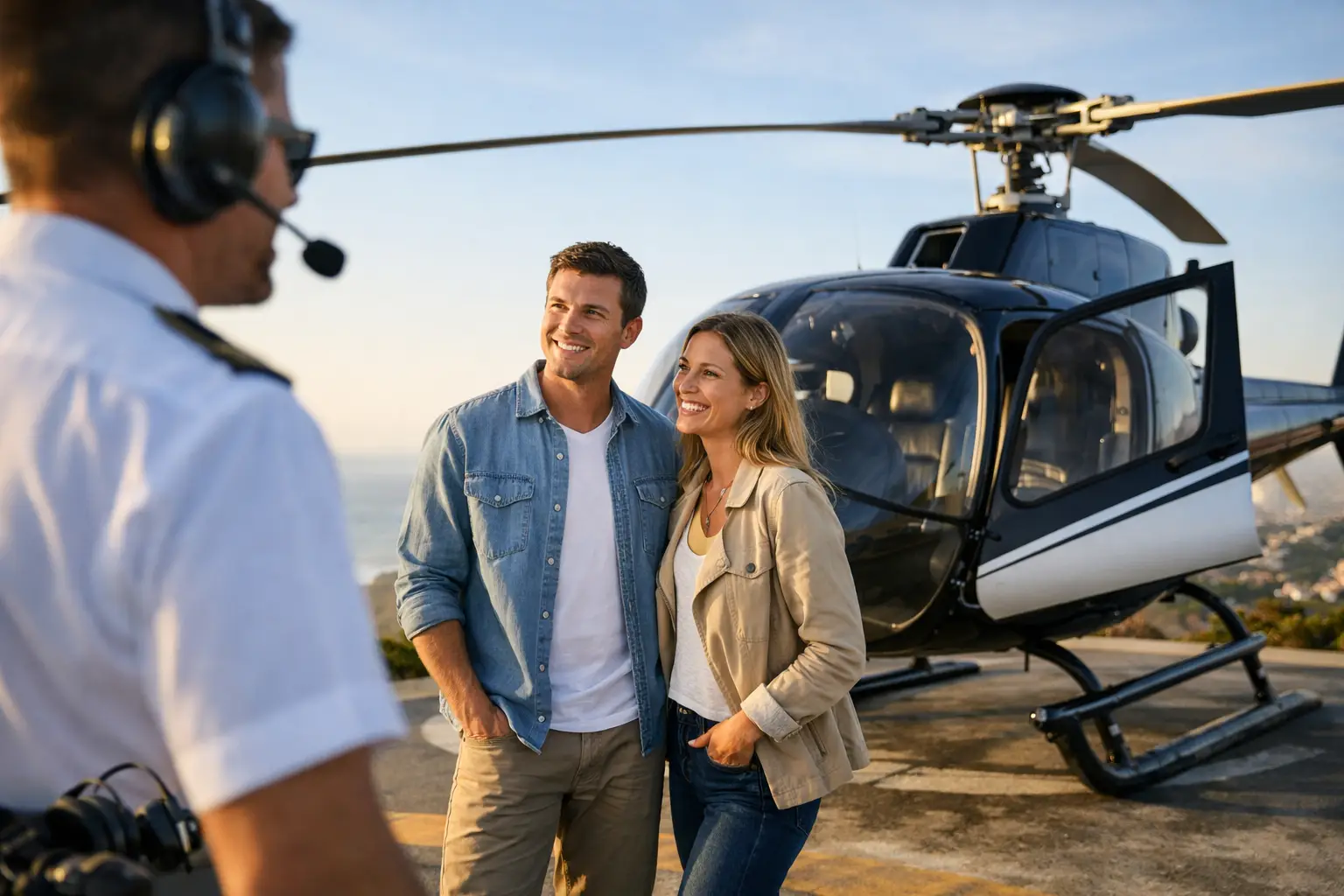
That distinction matters whether the passenger is a couple booking a scenic tour, an executive team trying to save hours in ground travel, or a production crew that needs precise aerial support. In all three cases, confidence comes from operational maturity, not promises.
Aerotour has built that kind of credibility through decades of aviation service in Costa Rica, combining scenic access with the standards expected from a long-established, safety-focused operator.
So, are helicopter tours safe? They are safe when safety is treated as a system, not a slogan. If you choose an operator with proper certification, experienced pilots, disciplined maintenance, local knowledge, and the confidence to put conditions ahead of convenience, a helicopter tour can be one of the most secure and memorable ways to see a destination from a completely different perspective. The right flight should leave you impressed by the landscape, and quietly reassured by everything you did not have to think about.