
Guía de Chárter Aéreo Privado para Costa Rica


Una conexión perdida en Costa Rica rara vez significa solo perder tiempo en el aeropuerto. Puede significar perder luz del día en un lodge remoto, retrasar una visita a un sitio, perder una ventana de filmación o convertir una transferencia regional corta en un día completo de logística terrestre. Ahí es exactamente donde un guía de chárter aéreo privado se vuelve útil, no como un elemento de lujo en una lista de verificación, sino como una forma práctica de decidir cuándo la aviación privada es la opción más inteligente.
El chárter privado se entiende mejor como una herramienta. A veces se trata de comodidad y privacidad. Con igual frecuencia, se trata de acceso directo, control del horario y de llegar a lugares donde las rutas comerciales y los largos traslados por carretera generan fricciones. En Costa Rica, donde la geografía, el clima y la infraestructura pueden cambiar rápidamente un día de viaje, esas ventajas son más que cosméticas.
En qué debería ayudarte a decidir una guía de vuelos privados
Una buena guía de vuelos chárter privados debe responder primero a una pregunta: ¿qué problema estás resolviendo? Para algunos viajeros, la respuesta es moverse eficientemente entre destinos sin perder medio día en conexiones. Para los equipos ejecutivos, puede ser la discreción y la capacidad de mantener un horario estricto. Para los equipos de producción y los operadores industriales, puede ser la capacidad de la aeronave, la carga útil y el acceso a áreas de operación específicas.
Esa distinción es importante porque no se debe abordar cada solicitud de charter de la misma manera. Una pareja que se dirige a un resort, un CEO que se traslada entre reuniones y un equipo de medios que planea filmación aérea Puede que todos reserven aviación privada, pero la elección de aeronave, la ruta, las expectativas de tiempo en tierra y los requisitos a bordo son muy diferentes.
En Costa Rica, el proceso de planificación también depende de si la misión se sirve mejor con avión o helicóptero. Los aviones de ala fija suelen ser ideales para traslados regionales entre aeródromos establecidos, especialmente cuando la velocidad y la comodidad de los pasajeros son prioritarias. Los helicópteros suelen ser la mejor respuesta cuando el acceso directo punto a punto, el trabajo aéreo o los destinos de difícil acceso forman parte de la misión.
Cuándo un chárter privado tiene sentido en Costa Rica
Los vuelos chárter privados no son la opción correcta automáticamente para cada viaje. Si tu ruta es sencilla, tu horario es flexible y las opciones comerciales se alinean con tus tiempos, la aviación privada podría no ofrecer suficiente valor adicional. La decisión cambia cuando el tiempo, la privacidad, el terreno o la complejidad de la misión comienzan a importar.
Costa Rica es un claro ejemplo de este compromiso. Las distancias en un mapa pueden parecer modestas, sin embargo, los viajes por carretera pueden volverse impredecibles debido al tráfico, el clima o las rutas montañosas. Un vuelo chárter puede comprimir significativamente el tiempo de viaje, pero el mayor valor suele ser el control. Tú eliges el horario de salida, reduces las capas de transferencia y evitas la exposición que conllevan las terminales abarrotadas y los horarios rígidos de las aerolíneas.
Esto es especialmente relevante para los viajeros que combinan varios destinos en un mismo itinerario. También es importante para las organizaciones que trasladan personal o equipo con plazos definidos. En esos casos, la pregunta no es tanto si la aviación privada cuesta más que un boleto comercial, sino cuánto cuestan los retrasos en oportunidades perdidas, tiempo de trabajo o disrupción operativa.
Elección de aeronave: ¿avión o helicóptero?
Aquí es donde se ganan o pierden muchas reservas. La aeronave correcta No es el más caro ni el que tiene el mayor atractivo visual. Es el que coincide con la misión.
Aviones privados
Los aviones suelen ser la opción preferida para viajes de ciudad a ciudad o de región a región donde hay acceso adecuado a pistas de aterrizaje. Generalmente ofrecen tiempos de tránsito eficientes, cabinas cómodas y estructuras de costos que tienen sentido para grupos pequeños, equipos ejecutivos o familias que se trasladan entre destinos clave.
Para viajeros de placer, un avión chárter puede simplificar un itinerario con varias escalas sin el ritmo del viaje comercial. Para uso corporativo, respalda la puntualidad en la programación y la privacidad. La compensación es sencilla: los aviones requieren infraestructura aeroportuaria, por lo que el acceso final aún depende de la ubicación de esos aeródromos en relación con su destino.
Helicópteros privados
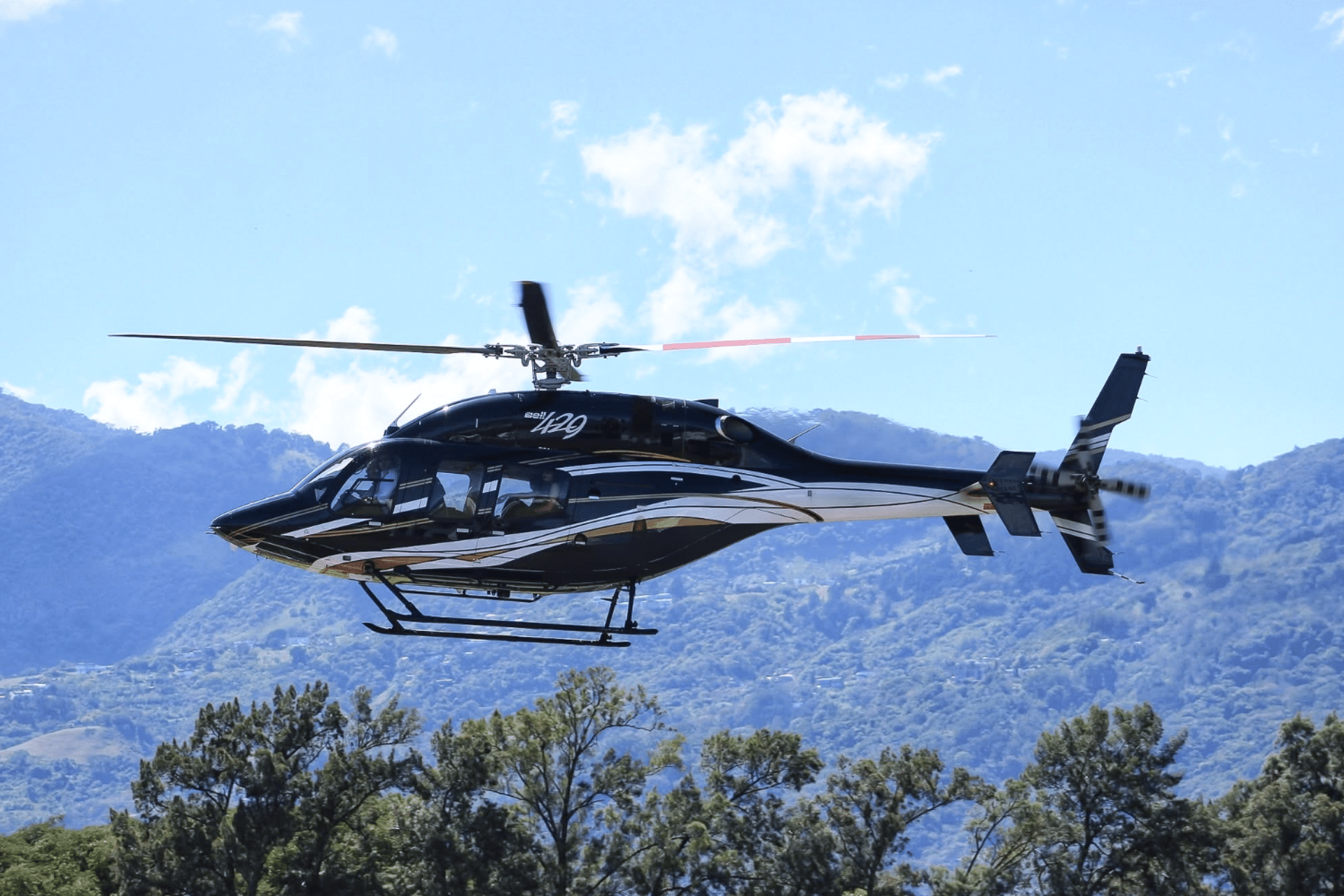
Los helicópteros ofrecen un nivel diferente de flexibilidad. A menudo se eligen cuando el acceso de aterrizaje está más cerca del destino real, cuando el terreno complica el transporte terrestre, o cuando la misión incluye observación aérea, filmación, topografía u otro apoyo especializado.
Para el turismo, los helicópteros pueden convertir transferencias difíciles en llegadas directas y agregar una perspectiva que los aviones de ala fija no pueden. Para uso profesional, brindan acceso y maniobrabilidad que importan mucho más que el tamaño de la cabina. La contrapartida suele ser un alcance más corto y una economía diferente, dependiendo de la carga útil, la ruta y el perfil de la misión.
¿Qué afecta? Precio de alquiler
Muchos viajeros piden una cotización antes de tener clara la misión, lo cual es comprensible. Pero la fijación de precios de los chárteres no se construye como la de las aerolíneas. Depende de variables operativas y pequeños cambios pueden afectar significativamente la cotización.
El tipo de aeronave es uno de los factores más importantes. Una misión de helicóptero y un traslado en avión tienen precios diferentes porque utilizan activos, tripulaciones, perfiles operativos y requisitos de soporte distintos. La longitud de la ruta importa, pero también lo hace el posicionamiento. Si la aeronave debe reubicarse antes de la recogida, eso puede afectar el costo total.
El tiempo también juega un papel. Las solicitudes de último momento, las ventanas de programación especiales y la demanda estacional pueden influir en la disponibilidad. El número de pasajeros, el equipaje y los requisitos de equipo especial también son importantes. Para trabajos de producción o industriales, la cotización puede reflejar también la planificación de la misión, el tiempo de espera, la coordinación técnica y cualquier modificación o aprobación de aeronaves necesaria para el trabajo.
Por eso los operadores experimentados hacen preguntas detalladas desde el principio. No es fricción. Es cómo evitan cotizar una transferencia simple para lo que en realidad es una tarea operativa compleja.
Cómo evaluar a un operador de vuelos chárter
El sitio web que parece más seguro no es lo mismo que la operación más segura. En una categoría de alta confianza como la aviación privada, los compradores deben prestar mucha atención a las credenciales, la experiencia y la claridad operativa.
La certificación es el primer punto de control. En Costa Rica, los clientes de chárter deben verificar que el operador esté debidamente autorizado por la DGAC y que opere de acuerdo con los estándares aeronáuticos reconocidos. Esto no debe tratarse como un detalle de marketing. Es un requisito básico.
El historial operativo también es importante. Un operador con décadas de servicio generalmente ha navegado mucho más allá de los vuelos rutinarios de pasajeros. Han gestionado cambios estacionales, logística compleja, perfiles de misión variados y el tipo de decisiones sobre el terreno que son difíciles de enseñar rápidamente. La experiencia no reemplaza el proceso, pero lo fortalece.
La comunicación es otra señal útil. Los operadores competentes son específicos. Explican claramente la idoneidad de la aeronave, las consideraciones meteorológicas, las limitaciones de equipaje, las realidades de la ruta y las ventanas de programación. Si un proveedor evita los detalles o promete demasiada certeza en condiciones que obviamente requieren flexibilidad, eso es digno de mención.
Aerotour, por ejemplo, opera desde 1973 con certificación de la DGAC y estándares alineados con la OACI, que es el tipo de experiencia acreditada que muchos clientes de vuelos chárter buscan cuando la seguridad y la ejecución son innegociables.
Preguntas a hacer antes de reservar
Una guía práctica de vuelos chárter privados debería dejarte con mejores preguntas, no solo con mejor terminología. Pregunta quién opera el vuelo, qué aeronave se propone y por qué, y si esa aeronave es la más adecuada para la ruta y las condiciones de aterrizaje.
También debes preguntar sobre los límites de equipaje, contingencias climáticas, flexibilidad del horario y qué sucede si tu itinerario cambia. Si el chárter es para una misión de producción o comercial, pregunta sobre la compatibilidad del equipo, las aprobaciones de la misión y cualquier restricción operativa que pueda afectar el plan.
Para viajes ejecutivos y familiares, los detalles del servicio también importan. La coordinación en tierra, el horario de recogida, la asistencia a los pasajeros y el manejo de la privacidad pueden moldear la experiencia tanto como el vuelo en sí.
Errores comunes que cometen los compradores
El error más común es tratar un flete como un producto básico. Dos cotizaciones pueden parecer similares hasta que comparas la idoneidad de la aeronave, la experiencia de la tripulación, el soporte operativo y el realismo del itinerario propuesto.
Otro error es optimizar únicamente por precio. Esto puede ser razonable en una ruta sencilla, pero se vuelve arriesgado cuando la misión es sensible al tiempo, técnicamente específica o depende de conocimientos operativos locales. La cotización más baja no siempre es el mejor valor si introduce incertidumbre.
Un tercer error es esperar demasiado tiempo para definir el itinerario. El chárter funciona mejor cuando el operador tiene suficiente información para crear el plan correcto desde el principio. Los ajustes de último momento a menudo se pueden manejar, pero son más fáciles cuando el resumen inicial es preciso.
La aviación privada funciona bien en Costa Rica porque resuelve problemas logísticos reales mientras ofrece una forma más controlada de moverse. El vuelo adecuado no es el que suena más exclusivo. Es el que te lleva a donde necesitas estar, con la aeronave adecuada, el operador adecuado y la confianza de que cada detalle ha sido considerado antes de que las hélices o las ruedas comiencen a moverse.