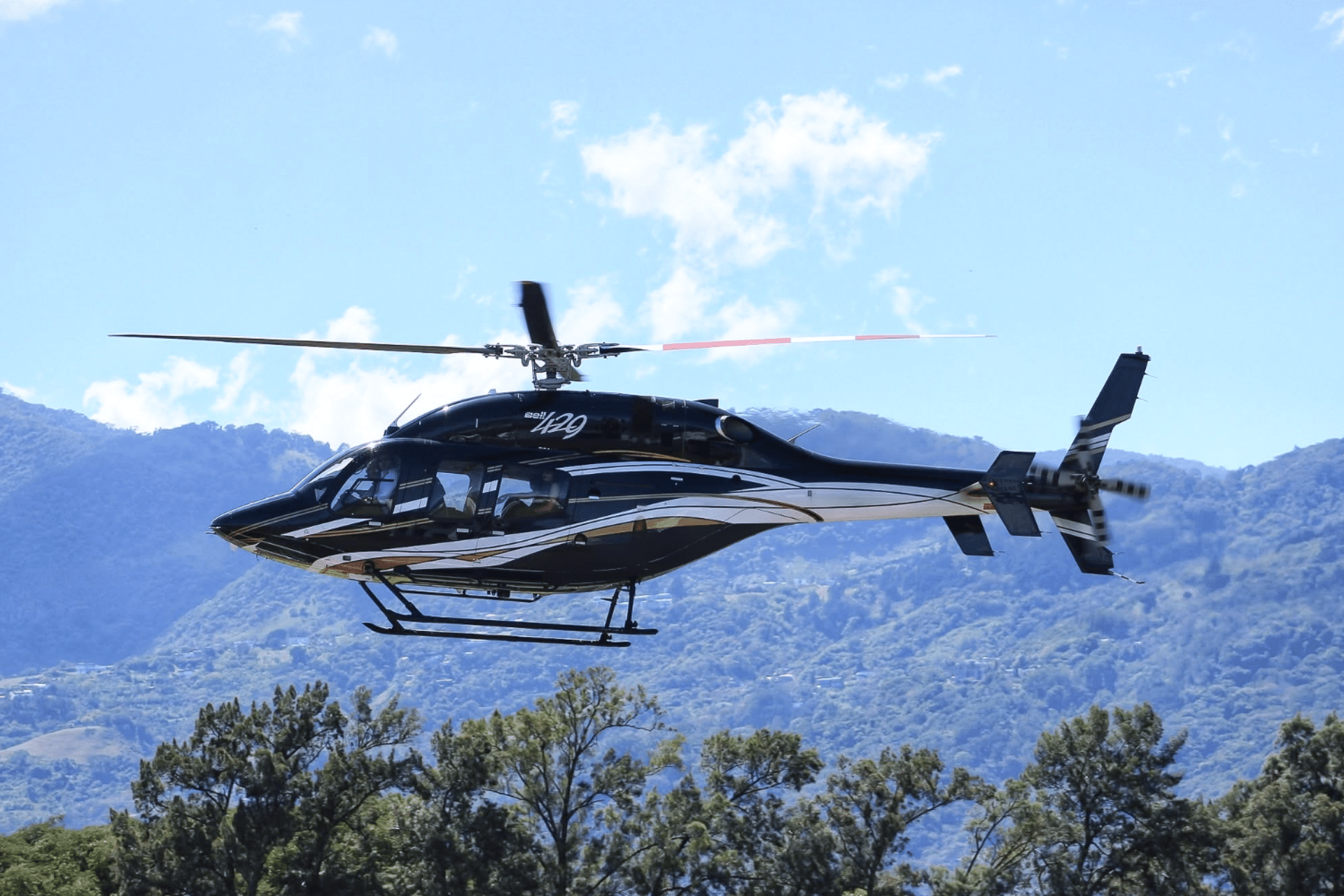

Scenic Helicopter Tour Guide for Costa Rica

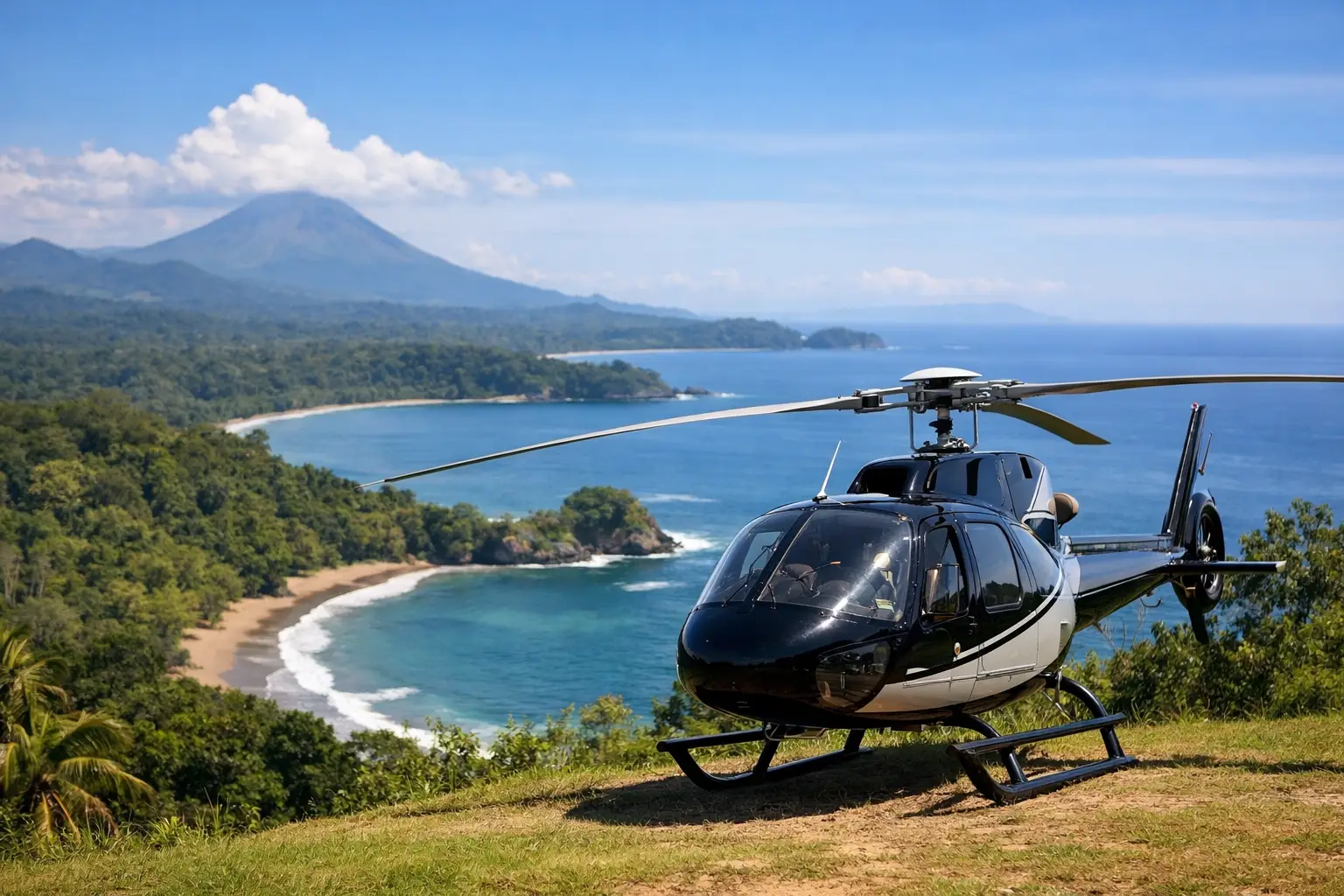
Costa Rica looks different when the road disappears beneath you. A scenic helicopter tour guide is useful not because the experience needs more spectacle, but because a well-planned private flight turns limited time into a clear view of the country’s defining contrasts: volcanic ridges, Pacific coves, rainforest valleys, river systems, and remote luxury resorts that are hours apart by ground.
For travelers who value privacy, pace, and access, a helicopter is not simply a way to see Costa Rica. It is a way to shape a day around the places that matter most, with an itinerary built around your hotel, interests, schedule, and operating conditions.
What Makes a Private Helicopter Tour Different
A private scenic flight is designed around the passengers on board. Rather than following a fixed group-tour route, the operator can recommend an itinerary based on departure location, available flight time, weather patterns, and the landscapes you most want to see. A couple traveling from a Central Valley hotel may prioritize volcanoes and coffee country. A family staying near Guanacaste may prefer beaches, bays, and the dry forest meeting the Pacific. A production team may need a route that balances visual impact with light, aircraft positioning, and filming requirements.
That flexibility comes with practical limits. Airspace, wind, visibility, cloud cover, landing permissions, aircraft performance, and daylight all affect what is appropriate on a given day. A professional operator will be direct about those factors and offer alternatives when a preferred route is not advisable.
The goal is not to promise every landmark in one flight. It is to create a route that feels unhurried, visually rewarding, and operationally sound.
Choosing the Right Flight Route
Costa Rica’s geography offers striking variety within relatively short distances, but route selection should begin with your location. Time spent reaching the first viewpoint is still flight time, so departure planning has a meaningful effect on the experience.
From San José and the Central Valley
Flights departing from the San José area can reveal the country’s interior character quickly. Depending on conditions and flight duration, guests may see the Central Valley’s urban edges give way to agricultural terrain, forested mountains, volcanic landscapes, and dramatic watersheds.
This is an especially strong choice for travelers who want to pair a private flight with a city stay, an executive itinerary, or a same-day transfer to a resort area. It can also be a practical way to understand Costa Rica’s topography before traveling onward by road.
From Liberia and Guanacaste
Liberia is a natural departure point for many Pacific coast resorts. The landscape here has a distinct visual rhythm: golden beaches, rocky headlands, protected bays, islands, and seasonal dry forest. From the air, the coastline’s shape becomes far more apparent than it is from any single beach.
Guanacaste flights are often ideal for guests seeking a refined coastal experience without dedicating an entire day to ground transportation. The best routes depend on the season. During greener months, inland terrain becomes more lush and textured; during drier periods, coastal light and long views can be exceptional.
Waterfalls, Rainforest, and Remote Terrain
Some of Costa Rica’s most memorable aerial scenes lie beyond the main tourism corridors. Waterfalls, river canyons, rainforest slopes, and secluded lodges can be compelling from the air, particularly when approached as part of a private transfer or an extended sightseeing itinerary.
These routes require thoughtful planning. Mountain weather can shift rapidly, and dense cloud cover may limit views even when conditions at the departure point appear favorable. The right approach is to treat the route as a priority list rather than a rigid checklist. That gives the pilot room to make safe, informed decisions while preserving the spirit of the experience.
The Best Time of Day to Fly
Morning flights are often preferred in Costa Rica, particularly for mountain and volcano-focused routes. Early hours can offer calmer air, clearer visibility, and more defined terrain before afternoon cloud development becomes a factor. They also allow the flight to fit comfortably into a full day of resort activities, meetings, or onward travel.
That said, the best departure time depends on the route. Pacific coast flights can be beautiful later in the day when the light softens and the ocean takes on deeper color. Photography-focused passengers may favor a carefully timed late-afternoon departure, provided weather and daylight margins support it.
Season matters as much as the clock. The green season brings vibrant vegetation, dramatic cloud formations, and powerful waterfalls, but it can also bring more variable conditions. The dry season can produce broad, clear views, especially in Guanacaste, while making some landscapes appear more golden than green. Neither season is universally better. It depends on what you want to see and how flexible your schedule can be.
Safety Should Shape the Experience
The most enjoyable scenic flight is one that feels effortless because the operational work has been handled properly. Before departure, choose an operator with established local experience, proper aviation authorization, disciplined maintenance practices, and pilots who know the terrain and regional weather patterns.
Costa Rica’s aviation environment demands local judgment. Volcanic regions, mountain passes, tropical weather systems, and changing coastal conditions all require more than a generic sightseeing plan. A safety-driven operator will conduct a preflight assessment, brief passengers clearly, manage weight and baggage requirements, and adjust or postpone a flight when conditions do not meet the required standard.
Passengers should expect a straightforward safety briefing before boarding. This generally covers seat belts, headsets, communication, approach and departure procedures, personal belongings, and what to do around the aircraft. Follow the crew’s direction closely, especially near the rotor system. Helicopters operate in dynamic environments, and simple procedures protect everyone on board.
Aerotour brings decades of Costa Rican operating experience to private helicopter services, supported by DGAC certification and ICAO-aligned aviation standards. For guests, that operational foundation allows the focus to remain where it should be: on the flight itself.
What to Wear and Bring
Comfortable, light clothing is usually the right choice for a scenic helicopter tour in Costa Rica. Avoid loose scarves, wide-brimmed hats, or anything that can be affected by rotor wash. Closed-toe shoes are practical, especially if the itinerary includes a landing at a lodge, private property, or other approved location.
Bring sunglasses, but be mindful that polarized lenses can occasionally make digital aircraft displays appear dim from certain angles. If you are prone to motion sickness, discuss it with your physician before travel and let the operator know in advance. Helicopter flight is smooth in many conditions, but comfort varies by passenger and route.
Baggage capacity is limited by aircraft configuration and total passenger weight. For a sightseeing flight, a small personal item is usually sufficient. For a private transfer, provide baggage details when booking so the aircraft can be matched appropriately to your group and equipment.
How to Take Better Aerial Photos
The most effective aerial images come from preparation, not from trying to photograph everything. Before takeoff, decide whether you want broad landscapes, coastal details, a particular volcano, or images of your resort or destination. Tell the flight team your priorities early, especially if photography is a central purpose of the trip.
Wear darker clothing if possible. Bright garments can reflect in helicopter windows and appear in photos. Keep your lens close to the window without pressing against it, as vibration can affect sharpness. A phone camera can capture excellent images in good light, while a dedicated camera gives more control over shutter speed and focal length.
Do not let the camera replace the experience. Take a few deliberate shots, then put it down. The sensation of crossing a rainforest ridge or tracing the Pacific coastline is difficult to recreate on a screen, and it is worth seeing without a lens in front of you.
Questions to Ask Before Booking
A premium operator should be able to answer practical questions clearly before confirming your flight. Ask about the proposed route and realistic flying time, the departure location, passenger and baggage limits, weather policies, and whether the experience is private. If you have mobility needs, young children, special equipment, or a specific celebration in mind, raise those details early.
Para filmación aérea or commercial photography, the conversation should go further. Discuss camera requirements, cabin configuration, doors-off or doors-on feasibility where permitted, flight timing, safety procedures, and any location permissions that may be required. Specialized missions benefit from advance coordination rather than last-minute adaptation.
A scenic helicopter flight is at its best when it is treated as a considered part of the journey, not an item squeezed between other plans. Give the route enough time, remain open to weather-based adjustments, and let experienced local aviation professionals guide the details. Costa Rica will provide the view; thoughtful planning gives you the right way to see it.