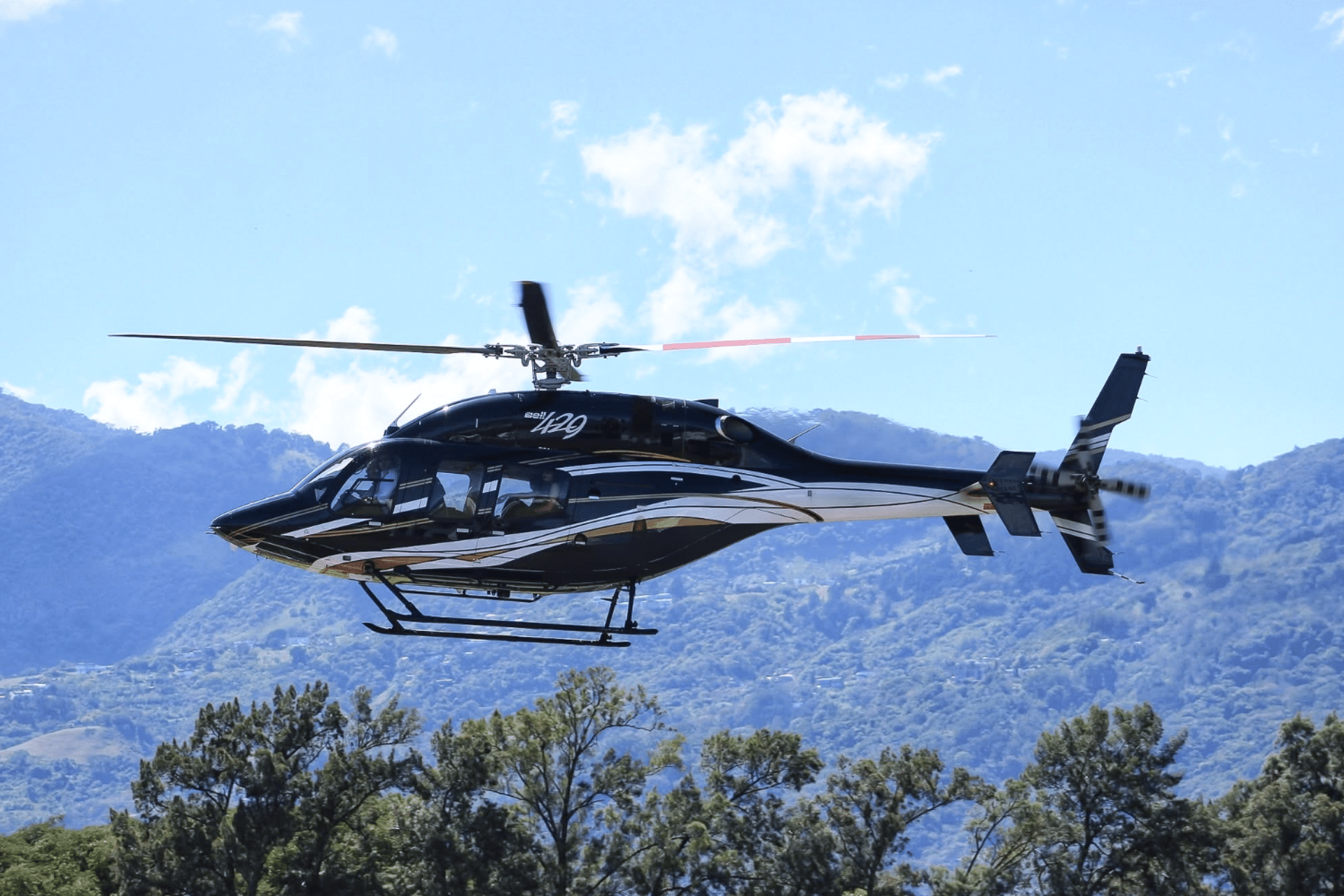

Acceso en helicóptero a resorts remotos

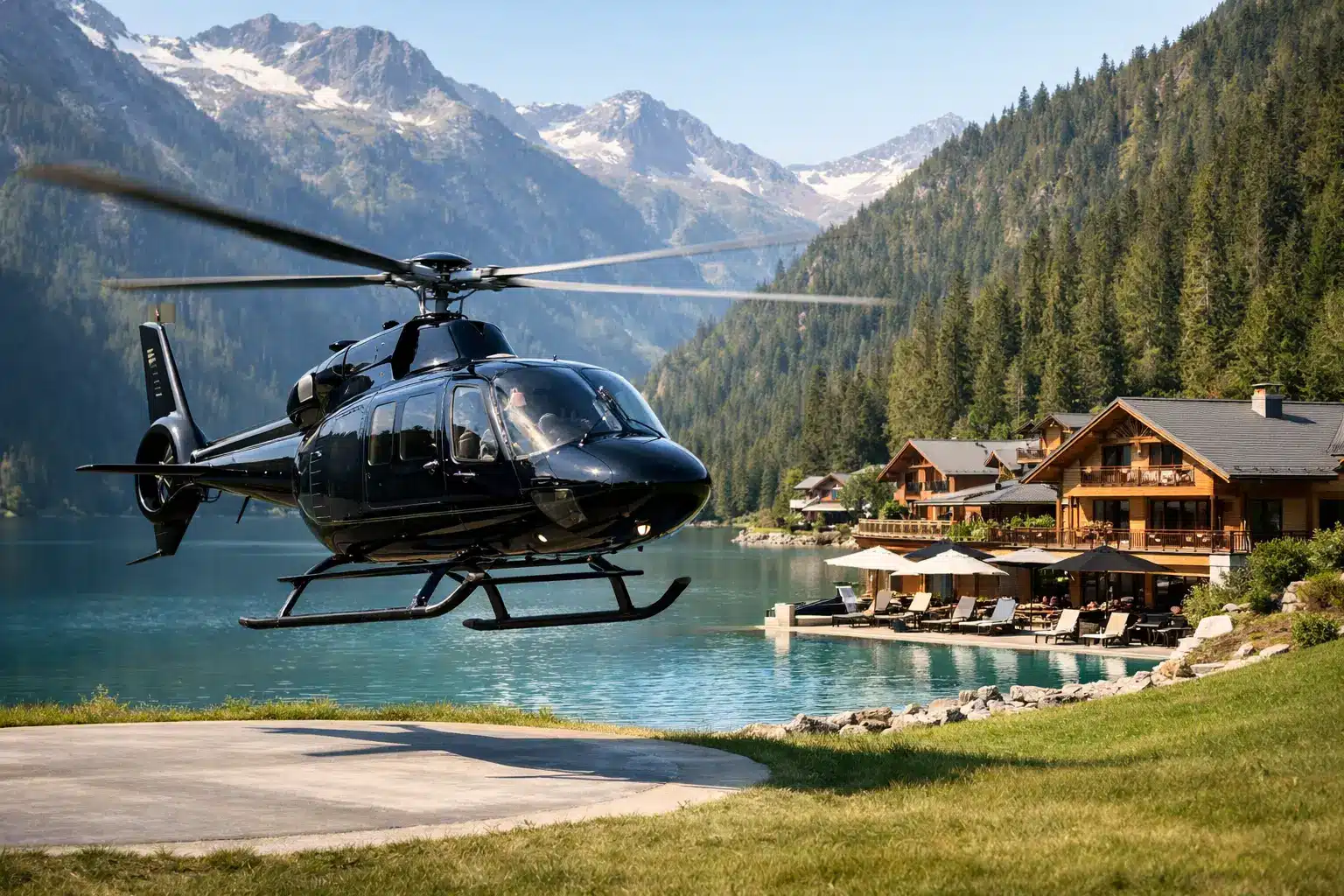
A resort can look close on a map and still take most of the day to reach. In Costa Rica, that gap between distance and actual travel time is often shaped by mountain roads, weather shifts, ferry schedules, and traffic patterns that do not favor tight itineraries. For travelers and planners who value control, helicopter access to remote resorts changes the equation by turning a difficult ground transfer into a direct arrival with far fewer moving parts.
That appeal is not only about luxury. It is also about time, predictability, and the ability to reach properties that are intentionally set apart from conventional travel corridors. Whether the trip is a private vacation, an executive retreat, or a production stay with a demanding schedule, helicopter transfer can be the most practical way to connect a major arrival point with a destination that would otherwise require hours in transit.
Why helicopter access to remote resorts matters
Remote resorts are remote for a reason. Privacy, exclusivity, and immersion in landscape are often part of the experience being sold. Guests want rainforest, coastline, volcano views, and low-density surroundings. The same characteristics that make a property desirable can also make access more complicated.
A helicopter shortens the gap between arrival and experience. Instead of spending half a day in a vehicle after a commercial or private flight, guests can move directly toward the resort and begin their stay with far less fatigue. That matters for families with limited vacation time, for executives combining business and leisure, and for groups trying to align arrivals without the uncertainty of multi-leg transfers.
There is also a service standard issue. Premium hospitality begins before check-in. When the route to a resort feels difficult, the destination can lose some of its appeal. When access is direct, private, and professionally coordinated, the overall travel experience feels more consistent with the quality of the property itself.
What helicopter access to remote resorts actually improves
The most obvious advantage is time. A journey that may involve airport processing, a long drive, road delays, and terrain-related slowdowns can often be reduced significantly by helicopter. In a country with varied topography like Costa Rica, that reduction is not minor. It can mean arriving in under an hour instead of committing several hours to ground transport.
Privacy is another major factor. High-net-worth travelers, public figures, and corporate teams often prefer a transfer environment that limits exposure and reduces handoffs. A private helicopter charter supports that preference by keeping movements more controlled, more discreet, and easier to manage.
Access is equally important. Some resorts sit near regions where road conditions, seasonal changes, or long detours affect trip planning. Helicopters can provide reach that standard transfers simply do not match, assuming the property has a suitable landing area nearby or an approved access point that can be coordinated safely.
Then there is the experiential value. Aerial arrival creates a strong first impression, but it should not be treated as a novelty alone. For many guests, seeing coastlines, forests, and ridgelines from above adds context to the destination and reinforces why the property was chosen in the first place.
The operational side guests should understand
Premium air transfer works best when it is planned with the same care as the stay itself. Not every resort has the same level of aviation readiness, and not every route is equally straightforward. The right operator will assess aircraft suitability, passenger count, baggage requirements, weather conditions, and landing logistics before confirming the mission.
This is where experience matters. Resort access by helicopter is not simply a matter of flying from point A to point B. It requires careful review of routing, performance limitations, terrain, and approved operating procedures. Safety-driven planning is what turns a premium transfer into a dependable one.
Operators with long-standing local knowledge have an advantage here. They understand regional weather patterns, terrain-specific considerations, and the practical realities of coordinating flights between major arrival hubs and remote destinations. In Costa Rica, that local operating knowledge can be the difference between a smooth same-day transfer and an avoidable delay caused by incomplete planning.
When helicopter transfer is the right fit
Helicopter access is especially useful when time has measurable value. That applies to executives, private groups with fixed schedules, destination event guests, and travelers arriving on international itineraries who want to avoid losing a day to domestic transfer complexity.
It is also well suited to resort stays built around privacy. If a property’s appeal depends on being removed from crowded routes and conventional tourist flows, the transfer method should support that positioning rather than dilute it.
For production teams, the logic is even clearer. A remote resort may serve as a base for filming, photography, or executive off-sites where arrival windows, gear movement, and schedule reliability all matter. In those cases, helicopter service is not only about guest comfort. It becomes part of the logistics plan.
That said, it is not always the best answer. Group size, budget, baggage volume, and weather can all influence the decision. Some itineraries are better served by fixed-wing charter into a regional airport followed by a short vehicle transfer. Others benefit from combining private airplane and helicopter service to balance speed, range, and cost. The best solution depends on the route and the mission, not on a one-size-fits-all preference.
What to look for in a helicopter operator
If the destination is remote, the operator should be anything but uncertain. Credentials matter in this category because travelers are purchasing trust as much as transportation. Look for a company with clear operating history, recognized certification, and documented aviation standards.
Fleet capability also matters. Different resort routes call for different aircraft considerations, especially when passenger loads and baggage profiles vary. A strong operator will not overpromise on what can be carried or where a landing can be arranged. Clear guidance at the outset is a sign of professionalism, not limitation.
Communication is another marker of quality. Resort transfers often involve coordination with hotels, concierge teams, estate managers, security personnel, or production staff. The operator should be able to manage those touchpoints efficiently and keep the client informed without creating unnecessary complexity.
Aerotour’s model reflects those expectations, with decades of operating experience in Costa Rica, DGAC certification, ICAO-aligned standards, and strategic coverage from San José and Liberia. For travelers and planners who need premium helicopter service backed by operational depth, those fundamentals are not extras. They are the basis of confidence.
Expectations around luggage, timing, and weather
One of the most common misconceptions about helicopter resort transfers is that they function exactly like larger aircraft operations. They do not. Weight and balance are central to safe planning, which means passenger count and luggage details must be confirmed accurately in advance.
Timing should also be handled realistically. Helicopters can save substantial travel time, but they still operate within weather, daylight, and operational parameters. In tropical environments, conditions can shift quickly. A dependable operator will explain those variables early and set expectations that protect both safety and schedule integrity.
This is not a drawback. It is part of professional flight planning. Clients who understand that distinction tend to have a better overall experience because they are working with a team that prioritizes sound decision-making over empty convenience claims.
A premium arrival should still be practical
The best use of helicopter access is where exclusivity and logistics overlap. A remote resort arrival should feel elevated, but it should also solve a real travel problem. That may be a difficult route, a compressed itinerary, a privacy requirement, or the need to coordinate several moving parts without relying on public schedules.
When handled properly, helicopter service supports the entire stay. Guests arrive less fatigued. Schedules stay tighter. Ground transfer uncertainty is reduced. The destination becomes more usable, especially for short stays where every hour counts.
For resorts, this kind of access can also broaden appeal. Properties that feel too far for a three-night stay may suddenly become viable. Retreats that once required heavy transfer planning can become simpler to sell and easier to enjoy. Direct access does not replace hospitality, but it can strengthen the value proposition around it.
Remote should feel private, not inconvenient. When helicopter access is backed by experienced flight operations, careful planning, and realistic expectations, it gives travelers a smarter way to reach extraordinary places and start the stay the way it should begin.