
Air Charter vs Private Jet: What You’re Booking


A traveler needs to leave San José after a morning meeting and arrive near a remote resort before lunch. A production crew needs an aircraft positioned for an aerial shoot at first light. In both cases, people often ask for a “private jet.” But when comparing air charter vs private jet, they may be describing two different things: the way a flight is arranged and the type of aircraft they expect to fly.
Understanding the distinction leads to better decisions about cost, access, timing, and aircraft suitability. It also prevents a common mistake: booking for the image of private aviation rather than the practical requirements of the mission.
Air Charter vs Private Jet: The Core Difference
An air charter is a flight hired for a specific trip, schedule, route, and passenger group. Rather than purchasing a seat on a published airline service, the customer reserves the aircraft and crew for the mission. The charter can operate in a light airplane, turboprop, helicopter, or jet, depending on the route and operational requirements.
A private jet is an aircraft category and, in everyday conversation, a shorthand for premium private flying. It usually refers to a business jet with a pressurized cabin, higher cruise speeds, and the range to connect major cities or international destinations efficiently. A private jet may be chartered, owned, leased, or used through a membership program.
Put simply, charter describes the service arrangement. Private jet describes a type of aircraft. You can charter a private jet, but not every air charter requires or benefits from a jet.
That distinction matters particularly in Costa Rica, where a short route to a coastal airstrip, a lodge near the rainforest, or a mountain-area destination may be better served by a turboprop or helicopter. The right aircraft is the one that safely fits the route, runway conditions, passenger count, luggage, weather considerations, and timing – not necessarily the largest or most recognizable option.
When a Private Jet Is the Right Choice
A private jet is often the preferred option when time, distance, cabin comfort, and privacy carry the greatest weight. For executives traveling between San José and international business centers, or for families connecting Costa Rica with destinations across the region, a jet can offer faster cruise speeds, a refined cabin environment, and reduced exposure to airline schedules and connections.
Jets are especially valuable when a trip involves several meetings in different cities, a tight international itinerary, or a need to work privately while en route. Depending on the aircraft, passengers may have more room, enhanced baggage capacity, a quieter cabin, and the ability to cover longer distances without the stops that smaller aircraft may require.
However, a jet is not automatically the most efficient choice for every private journey. Some regional airports have runway, fuel, infrastructure, or operating-hour limitations that affect which jet types can use them. A larger cabin can also mean a higher hourly cost, even when a smaller aircraft would meet the mission perfectly.
For a short domestic flight, the value of a jet must be considered against total trip time. Ground transfers, airport access, flight duration, and destination location all play a role. A well-planned charter is about eliminating unnecessary time, not simply selecting the fastest aircraft in the fleet.
The Private Jet Experience Is More Than the Aircraft
What passengers value as the “private jet experience” often comes from the charter process itself: a schedule built around their plans, a private travel environment, discreet handling, and a direct line to the people coordinating the flight.
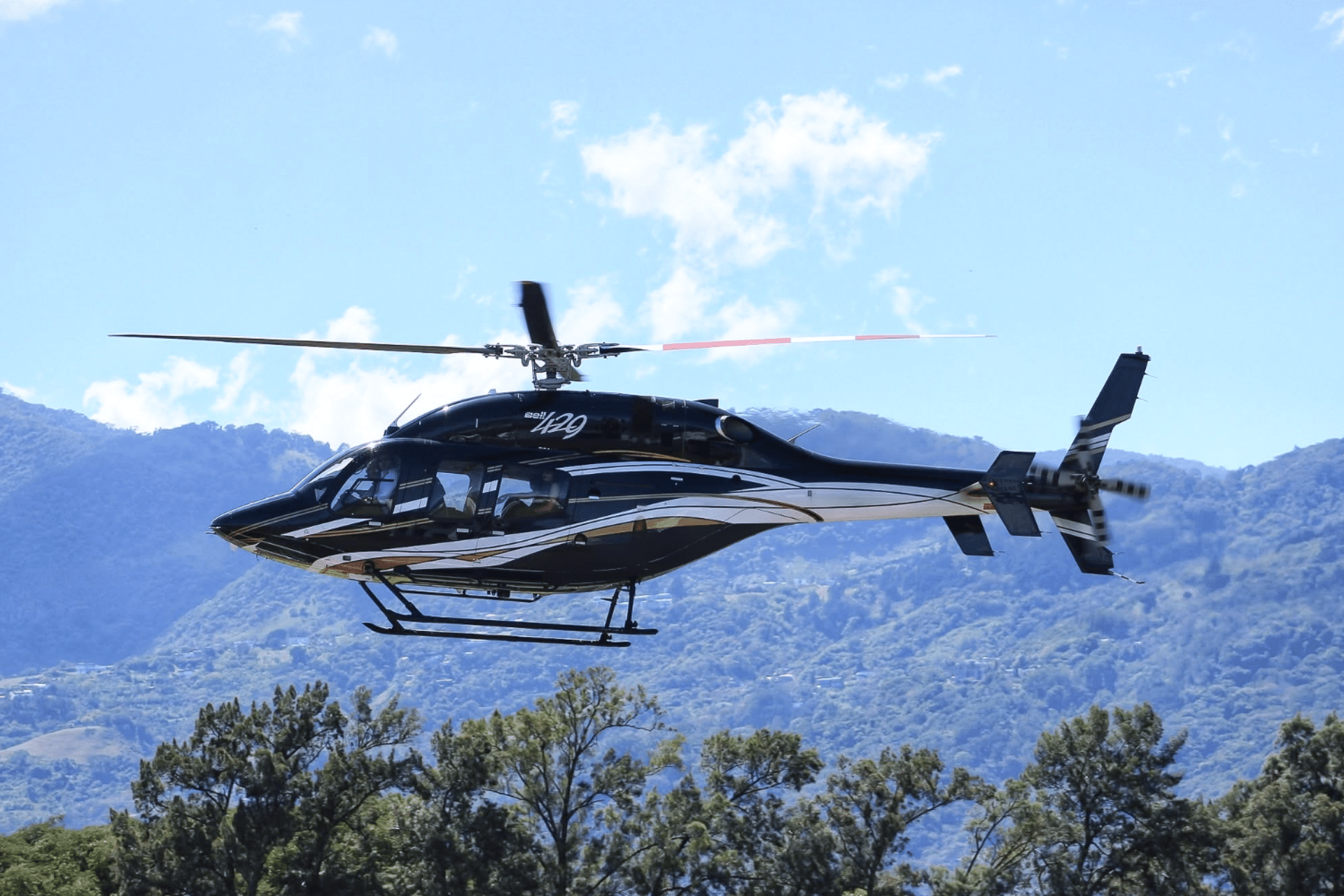
Those advantages can be available across multiple aircraft types. A private turboprop charter can deliver a highly efficient, comfortable, and exclusive experience for a domestic Costa Rica itinerary. A helicopter charter can provide access that no fixed-wing jet can match, landing closer to remote resorts, work sites, or filming locations where approved landing areas are available.
When an Air Charter Is the Better Answer
Air charter offers flexibility because the mission determines the aircraft. That makes it particularly suitable for travelers and organizations with needs that do not fit scheduled aviation.
For leisure travelers, a charter may turn a day of long road travel into a short, scenic flight. It can connect guests from San José or Liberia with destinations that would otherwise require hours in a vehicle. For corporate teams, it can support site visits, executive movement, and multi-destination schedules without relying on limited commercial routes.
For professional users, charter has an even broader role. Production teams may require an aerial platform for filming or photography. Industrial organizations may need aerial support for inspections, project access, surveying, or specialized operations. These assignments require more than transportation. They call for the correct aircraft, experienced flight crews, operational planning, and a provider that understands the technical objective.
In these cases, the question is not “Do we need a private jet?” It is “What aircraft and operating plan will deliver the required result safely and reliably?”
Cost: What You Are Actually Paying For
Private aviation pricing is usually mission-based. The quote may reflect aircraft type, flight hours, crew duty time, aircraft positioning, airport and handling charges, fuel considerations, overnight requirements, and the specific services requested. International trips may also involve permits, customs coordination, and additional ground arrangements.
Because of this, comparing air charter vs private jet based only on an hourly rate can be misleading. A lower hourly rate does not necessarily produce a lower total trip cost if the aircraft must reposition from another location, cannot access the preferred airport, or requires additional transfers at the destination.
The most cost-effective choice is often the aircraft that minimizes the total burden of the trip. For example, a helicopter may command a premium relative to a ground transfer, but it can save substantial time and provide direct access for a small group. A turboprop may offer excellent economics and airfield performance on regional routes. A jet may justify its cost when it removes an overnight stay, avoids commercial connections, or makes an international itinerary possible in a single day.
A qualified operator should explain the operational logic behind the recommendation, not simply present the highest-category aircraft available.
Safety and Operational Fit Come First
Private aviation should never be evaluated on convenience alone. The quality of the operator, the condition and suitability of the aircraft, crew qualifications, maintenance standards, and regulatory compliance are central to every charter decision.
In Costa Rica, terrain, weather patterns, airfield characteristics, and seasonal demand require disciplined planning. An operator must assess the route and aircraft performance before confirming a flight. If conditions change, the professional response may be to adjust the departure time, select another aircraft, alter the routing, or postpone the operation. That is not a reduction in service. It is sound aviation judgment.
Travelers should look for an operator with established experience, appropriate civil aviation certification, and operating practices aligned with recognized international standards. Clear communication also matters. You should understand what is included, what factors can affect the itinerary, luggage limitations, passenger requirements, and any special conditions relevant to the destination.
With operating experience dating to 1973, Aerotour approaches charter planning as an operational service rather than a one-size-fits-all luxury product. The objective is to pair the flight request with the aircraft, crew, and logistics that serve it best.
How to Choose the Right Option for Your Trip
Start with the mission. Consider where you need to go, when you need to arrive, how many people are traveling, what baggage or equipment is involved, and whether the destination has a suitable runway or requires helicopter access. For a production or industrial assignment, define the aerial objective as clearly as the travel itinerary.
Then consider the experience you need. If international range, speed, cabin privacy, and executive comfort are the priorities, chartering a private jet may be the right solution. If regional access, short-sector efficiency, scenic travel, or specialized aerial capability matters more, another charter aircraft may be the stronger choice.
The best private flight is not defined by a label. It is defined by arriving with the right people, equipment, timing, and level of support – with safety guiding every decision.