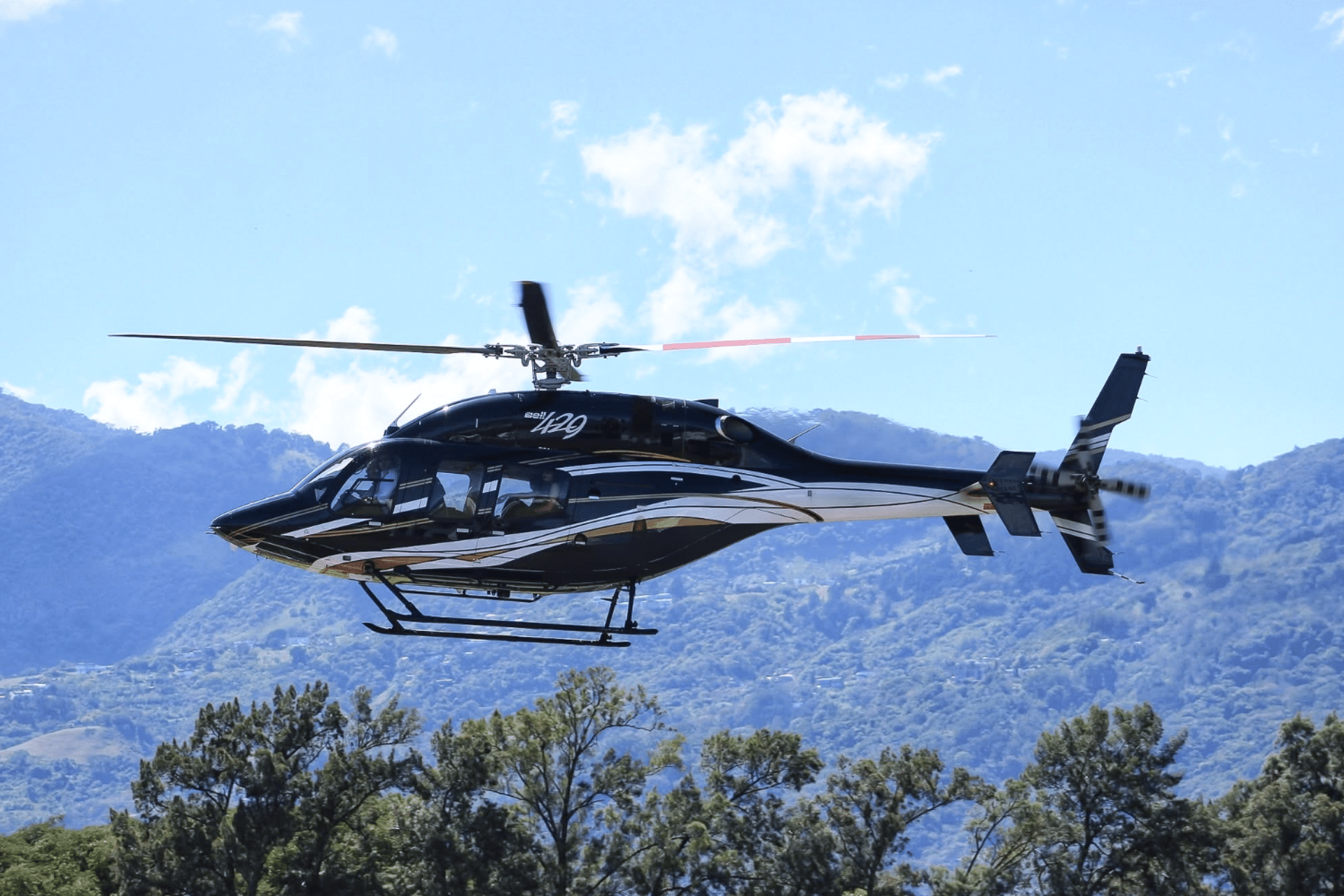

¿Cuál es el helicóptero privado más seguro?

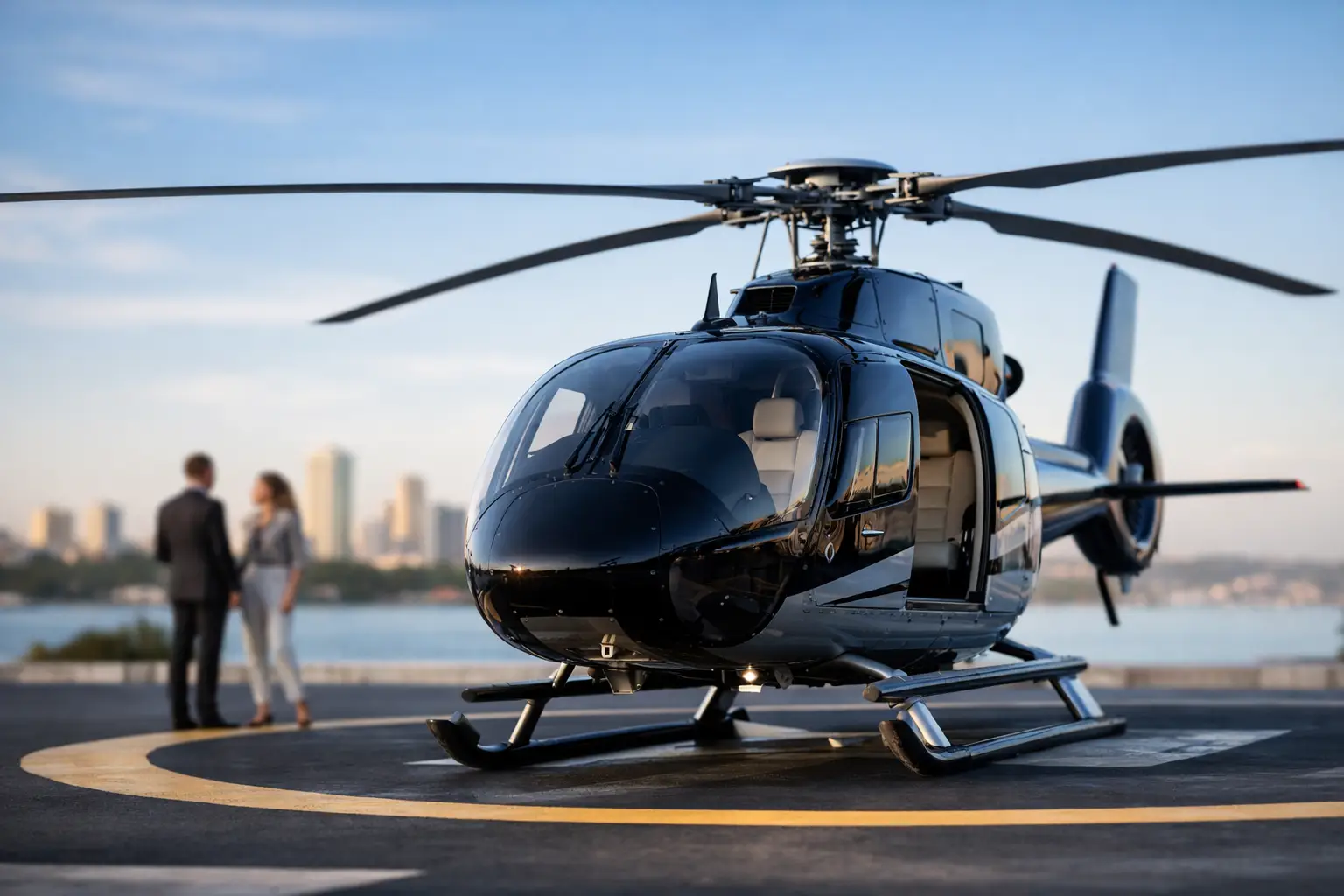
Si está preguntando por el helicóptero privado más seguro, ya está haciendo una mejor pregunta que la mayoría de los compradores y clientes de chárter. La seguridad en los viajes en helicóptero rara vez se trata de encontrar una aeronave perfecta. Se trata de comprender cómo funcionan juntos la aeronave, el operador, el programa de mantenimiento, la ruta y la tripulación.
Esto es aún más importante en un lugar como Costa Rica, donde los vuelos privados en helicóptero pueden trasladar pasajeros de manera eficiente entre ciudades, resorts, propiedades remotas y locaciones de producción. El terreno, el clima, los entornos de aterrizaje y el perfil de la misión influyen en lo que realmente significa “más seguro”. La respuesta correcta para un traslado ejecutivo no es siempre la misma que la respuesta correcta para filmación aérea o un vuelo panorámico.
El helicóptero privado más seguro no es un modelo único
No existe un ganador universal. Ningún fabricante u operador de aeronaves puede afirmar honestamente que un modelo es siempre el helicóptero privado más seguro en cada escenario. Algunos helicópteros están diseñados con mayor redundancia, aviónica más avanzada y características de resistencia a impactos más sólidas. Esas son ventajas significativas. Pero solo cuentan una parte de la historia.
Un helicóptero más nuevo y bien equipado operado por una compañía disciplinada generalmente presentará un caso de seguridad más sólido que una aeronave de primera categoría con procedimientos débiles. Lo contrario también es cierto. Una aeronave con una excelente reputación aún puede convertirse en una mala opción de seguridad si se le asigna a la misión equivocada, se vuela en condiciones marginales o se le da mantenimiento sin rigor.
Para clientes privados, la mejor pregunta es esta: ¿qué combinación de tipo de aeronave y estándares operativos crea el ajuste más seguro para tu viaje?
¿Qué hace que un helicóptero privado sea realmente más seguro?
El margen de seguridad más sólido generalmente proviene de varias capas que trabajan juntas. El diseño de aeronaves es una capa. Los estándares del operador son otra. La capacitación de la tripulación, la calidad del mantenimiento, la disciplina en la asignación de vuelos y la toma de decisiones sobre el clima son igualmente importantes.
Los helicópteros biturbina a menudo se consideran la opción más segura para el transporte privado, y en muchos casos eso es justo. Proporcionan redundancia de motores, lo que puede ser especialmente valioso en operaciones sobre el agua, urbanas, montañosas o de misión crítica. Los modelos de la clase Airbus H145, Leonardo AW109 y similares suelen ser favorecidos para trabajos ejecutivos y utilitarios porque combinan sistemas modernos, un sólido soporte del fabricante y flexibilidad en la cabina.
Dicho esto, los helicópteros monomotor no son automáticamente inseguros. Muchas aeronaves son sumamente capaces y confiables cuando se adaptan a la misión correcta y se operan bajo estrictos estándares. Para traslados cortos diurnos bajo reglas de vuelo visual (VFR) en condiciones meteorológicas y de terreno adecuadas, una plataforma monomotor bien mantenida con una tripulación experimentada puede ser completamente apropiada. La contrapartida es que los clientes deben prestar más atención al perfil de la ruta, las alternativas y las limitaciones operacionales.
La avionica también importa. Los sistemas de alerta de terreno, la capacidad de piloto automático moderno, la mejora de la estabilidad, la instrumentación para todo tipo de clima y las pantallas mejoradas en la cabina pueden reducir la carga de trabajo del piloto y mejorar la conciencia situacional. Estos sistemas no reemplazan el juicio, pero pueden brindar un apoyo crítico cuando las condiciones se vuelven más exigentes.
Los asientos a prueba de choques, el diseño del sistema de combustible y los estándares de certificación de estructuras merecen atención también. Estas características reciben menos discusión pública que los motores o la velocidad, pero forman parte de cómo los fabricantes mejoran la supervivencia.
Las opciones de helicópteros privados más seguras por categoría
Para muchos clientes de vuelos chárter privados, los helicópteros biturbo suelen considerarse el referente de alta seguridad. Tienden a ofrecer un sólido equilibrio entre redundancia, rendimiento y comodidad para los pasajeros. Se seleccionan comúnmente para traslados de ejecutivos, acceso a complejos turísticos y vuelos donde la discreción y la confiabilidad son importantes.
Las aeronaves intermedias y gemelas medianas pueden ofrecer capacidad adicional, especialmente cuando aumentan la carga útil, el alcance o la complejidad de la misión. Estas aeronaves a menudo se utilizan para trabajos aéreos especializados, transporte corporativo y operaciones donde las cargas de equipo o las demandas de la ruta exceden lo que una plataforma más ligera maneja cómodamente.
Los helicópteros monomotores ligeros siguen siendo comunes en el turismo, trabajos de utilidad y transferencias privadas cortas. Cuando son operados por un profesional altamente experimentado y con procedimientos conservadores, pueden ser una opción práctica y eficiente. La clave es evitar juzgarlos solo por su precio o apariencia. Su seguridad depende en gran medida del entorno de operación y la disciplina.
Así que, si un cliente pide el helicóptero privado más seguro, la respuesta práctica suele ser un helicóptero moderno bimotor operado por una empresa con buena reputación, para una misión para la que está específicamente diseñado. Pero esa es una respuesta de categoría, no una regla general.
Por qué el operador importa más que el folleto
Aquí es donde muchas decisiones de vuelos chárter salen mal. Los clientes comparan interiores de aeronaves, fotos y cifras de velocidad, pero pasan por alto al operador detrás del vuelo. En realidad, el operador es a menudo la variable de seguridad más importante.
Una empresa seria de helicópteros contará con procedimientos documentados, capacitación recurrente para pilotos, supervisión de mantenimiento, mínimos climáticos claros y una cultura que no presiona a las tripulaciones a realizar vuelos marginales. También tendrá un fuerte criterio de despacho. A veces, el vuelo más seguro es el que se retrasa, se desvía o se cancela.
La experiencia cuenta aquí, pero solo cuando está respaldada por los estándares actuales. Un historial operativo prolongado sugiere madurez y profundidad operativa. Las certificaciones y el cumplimiento normativo son importantes porque demuestran que la empresa está operando dentro de la supervisión aeronáutica reconocida. Para los clientes que evalúan viaje en helicóptero privado en Costa Rica, estos indicadores pueden ser más valiosos que cualquier reclamo de tener el avión más nuevo.
Aerotour, por ejemplo, ha construido su reputación en base a una experiencia operativa a largo plazo, Certificación DGAC, y estándares alineados con la OACI. Para clientes premium, ese tipo de estructura es precisamente lo que da sustancia a los mensajes de seguridad.
Preguntas que hacer antes de reservar la opción de helicóptero privado más segura
Los clientes no necesitan convertirse en especialistas en aviación, pero deberían hacer mejores preguntas. Comienza con la misión, no con el modelo. Pregunta qué aeronave se propone y por qué es la más adecuada para la ruta, el número de pasajeros, el equipaje, el sitio de aterrizaje y el clima probable.
Pregunte si el vuelo se realizará bajo condiciones diurnas o por instrumentos, qué aeropuertos alternos están disponibles y cómo el operador maneja los retrasos por mal tiempo. Pregunte sobre la experiencia del piloto en la aeronave específica y en la región específica. El vuelo de montaña, el clima costero, los aterrizajes en áreas confinadas y la filmación aérea requieren diferentes fortalezas.
El soporte de mantenimiento es otro tema que vale la pena. Un operador de renombre debería poder hablar con confianza sobre los estándares de inspección, el soporte del fabricante y cómo se gestiona la disponibilidad de las aeronaves sin comprometer las ventanas de mantenimiento.
También puedes hacer una pregunta simple pero reveladora: ¿bajo qué circunstancias me dirías que no vuele hoy? Un operador sólido responderá con claridad y sin dudar.
El factor Costa Rica
La seguridad de los helicópteros no puede separarse de la geografía. Costa Rica ofrece un acceso aéreo excepcional, pero también incluye cordilleras, microclimas cambiantes, patrones de viento costeros y áreas de aterrizaje remotas. Un helicóptero que es perfectamente adecuado para un traslado de resort en una ruta puede no ser la opción ideal para otra misión que involucre altitud, calor, carga útil o equipo especializado.
Es por eso que el conocimiento operativo local importa tanto. El helicóptero privado más seguro para un traslado de San José a un resort de lujo puede depender de la hora del día, el clima de la temporada, la carga de pasajeros y las condiciones de aterrizaje en el destino. Para fotografía aérea, la opción más segura puede implicar una configuración de cabina, un perfil de piloto y una planificación de ruta completamente diferentes.
Aquí es donde los operadores locales experimentados crean valor real. No solo venden acceso a aeronaves. Ellos adaptan la capacidad de la aeronave al terreno, al clima y al propósito del cliente.
Mitos comunes sobre la seguridad de los helicópteros
Un mito común es que lo más nuevo siempre significa más seguro. Lo más nuevo puede ser mejor, especialmente cuando trae aviónica y características de diseño mejoradas, pero solo si la aeronave se mantiene y opera correctamente.
Otro mito es que el helicóptero más grande es automáticamente el más seguro. Las aeronaves más grandes pueden ofrecer más capacidad, pero no son inherentemente la respuesta más segura para cada ruta o zona de aterrizaje. El ajuste a la misión importa más que el tamaño.
Un tercer mito es que volar en helicóptero privado es principalmente un lujo. La comodidad premium es parte de la experiencia, pero para viajeros serios y usuarios corporativos, el valor real son la logística controlada. La seguridad es más fuerte cuando toda la operación se basa en ese principio en lugar de en las apariencias.
Entonces, ¿qué deberías elegir?
Si su prioridad es la opción de helicóptero privado más segura, incline la balanza hacia una aeronave bimotor con buen soporte cuando la ruta, el entorno y el presupuesto lo justifiquen. Luego, analice aún más al operador que a la aeronave. Revise la experiencia, la certificación, la disciplina de mantenimiento, el conocimiento regional y la disposición a establecer límites.
Si el operador recomienda un avión diferente al que esperabas, eso no es necesariamente un compromiso. Puede ser evidencia de que están tomando una decisión profesional basada en la misión en lugar de una impulsada por las ventas.
La mejor opción de helicóptero privado es aquella que se adapta a la misión de manera conservadora, es operada por una tripulación probada y está respaldada por un operador que trata la seguridad como una práctica diaria en lugar de una frase de marketing. Ese es el estándar por el que vale la pena pagar, ya sea que viaje por negocios, placer o para una asignación aérea especializada.
Al evaluar el alquiler de helicópteros desde esa perspectiva, la respuesta se vuelve más clara. El avión más seguro rara vez es el más impresionante sobre el papel. Es aquel respaldado por las personas adecuadas, los estándares correctos y el criterio para priorizar la seguridad siempre.