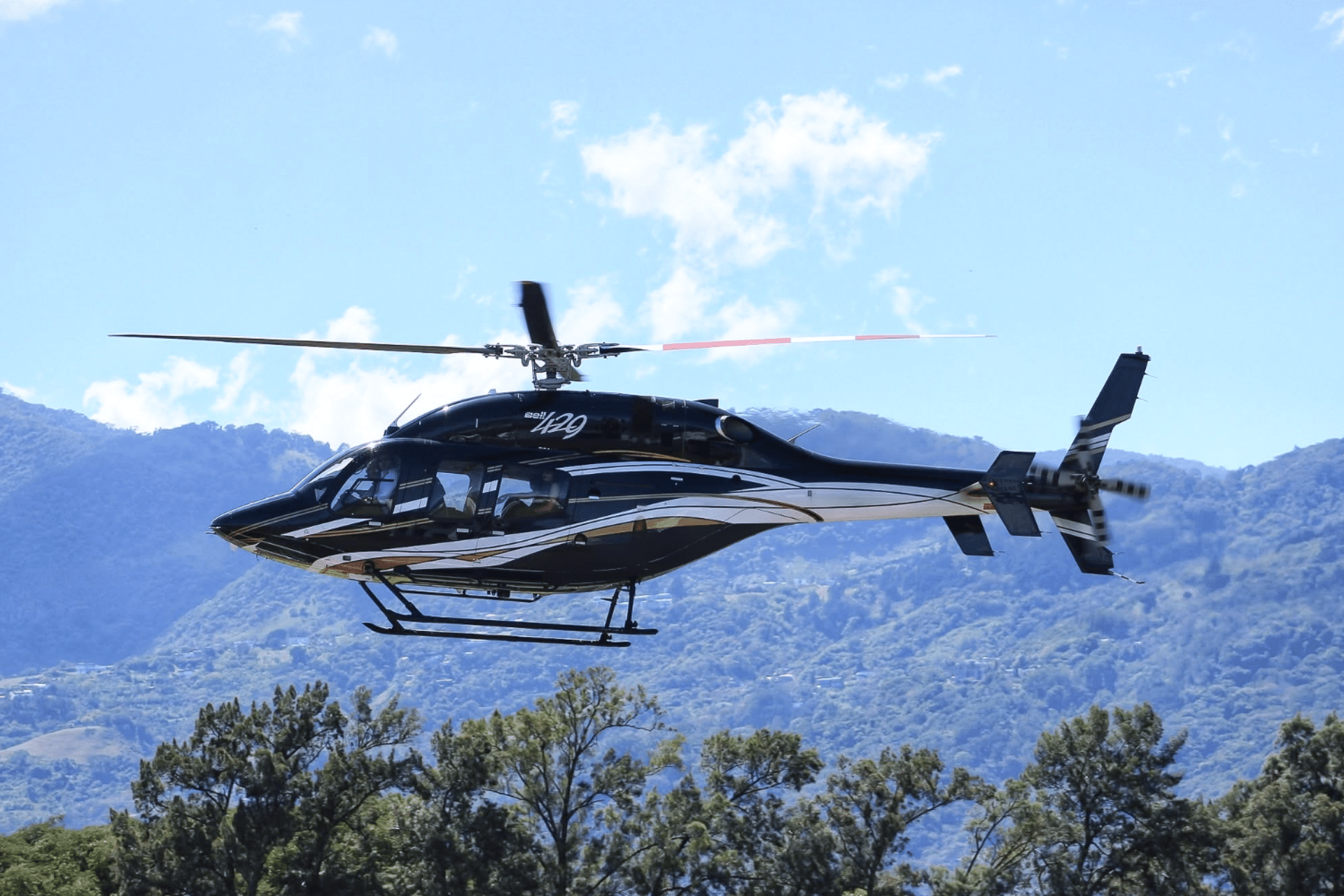

Guía de seguridad para tours en helicóptero para viajeros inteligentes

A tour en helicóptero debería sentirse extraordinario, no incierto. Las mejores vistas en Costa Rica vienen con una planificación aeronáutica real detrás, y una sólida guía de seguridad para tours en helicóptero comienza antes de que usted pise el helipuerto. Para viajeros, ejecutivos y equipos de producción que reservan vuelos premium, la seguridad no es un detalle de marketing. Es el estándar que determina en quién confía su tiempo, su horario y su experiencia.
Qué guía de seguridad de un tour en helicóptero debería ayudarte a evaluar realmente
Muchos viajeros asumen que la seguridad comienza con la charla informativa del piloto. En la práctica, comienza mucho antes: con el operador que elijas, las preguntas que hagas y las señales que sepas leer. Un sitio web pulido o una experiencia de lujo no indican automáticamente una sólida disciplina operativa. Los proveedores más confiables combinan el servicio al cliente con credenciales aeronáuticas claras, procedimientos estructurados y el criterio para retrasar o cancelar un vuelo cuando las condiciones no lo permiten.
Eso es aún más importante en un destino como Costa Rica, donde el terreno, los cambios climáticos y el acceso regional dan forma a la planificación de vuelos. Las rutas costeras, las zonas montañosas y las condiciones de la selva tropical pueden crear una experiencia de observación espectacular, pero también requieren experiencia local y toma de decisiones conservadora.
Empieza con el operador, no con las fotos de las aeronaves
La primera medida de seguridad es la compañía detrás del vuelo. Busca un operador con certificación legal y con un historial operativo documentado, no solo un intermediario o vendedor de turismo que ofrezca vuelos bajo otro nombre. La certificación por la autoridad de aviación civil pertinente es esencial porque indica supervisión, procedimientos aprobados, requisitos de mantenimiento y estándares de cualificación de pilotos.
La experiencia también merece atención. Un operador con décadas de historial de vuelo ha construido probablemente sus estándares a través de regulaciones cambiantes, misiones variadas y aprendizaje operativo real. Eso no significa que las empresas más nuevas sean automáticamente inseguras, pero el desempeño a largo plazo en aviación tiene peso. La cultura de seguridad se construye con el tiempo.
También es razonable preguntar si el operador sigue las normas reconocidas internacionalmente, incluidas las prácticas alineadas con la OACI, cuando corresponda. Para los viajeros premium y los clientes profesionales, ese nivel de cumplimiento ayuda a separar las compañías de aviación serias de los proveedores centrados principalmente en vender vistas.
¿Cómo se toman las decisiones cuando cambian las condiciones?
Un recorrido seguro en helicóptero no se define por despegar a tiempo a toda costa. Se define por decisiones disciplinadas de "ir o no ir". El clima es el ejemplo más claro. En entornos tropicales, las condiciones pueden cambiar rápidamente con la acumulación de nubes, bandas de lluvia, visibilidad reducida y cambios localizados en el viento. Un operador experimentado no se limita a consultar el pronóstico una vez y seguir adelante. Supervisa las condiciones continuamente y ajusta rutas, horarios o decisiones de despegue según sea necesario.
Esta es una de las partes más útiles de cualquier guía de seguridad de un tour en helicóptero porque revela cómo piensa una empresa. Si un proveedor hace que los retrasos por clima suenen inconvenientes pero raros, haz más preguntas. Si explican que el juicio operativo es lo primero y que reprogramar es a veces la opción más segura, esa suele ser una señal más fuerte.
El mismo principio se aplica a la planificación de rutas. Los vuelos panorámicos no son para todos por igual. El número de pasajeros, el peso total, el punto de partida, las condiciones del destino y el propósito del vuelo influyen en el plan. Una empresa que hace preguntas cuidadosas antes de confirmar el itinerario a menudo demuestra profesionalismo, no añade trabas.
La experiencia del piloto importa, pero también lo hace el conocimiento de las operaciones locales.
Los pasajeros quieren saber, naturalmente, que su piloto está calificado. Esa es una pregunta justa, pero las calificaciones deben verse en contexto. El total de horas de vuelo importa. El tiempo específico de helicóptero importa más. La experiencia en el entorno operativo exacto importa más que nada.
Volar sobre Costa Rica requiere un buen juicio en cuanto al terreno, el clima y la selección de la ruta. Un piloto puede tener una amplia experiencia general, pero el conocimiento local sigue siendo valioso. Los operadores que prestan servicios de turismo, transporte ejecutivo y trabajos aéreos especializados deben contar con tripulaciones que comprendan la geografía regional, el uso del espacio aéreo y los límites prácticos que implican las crestas de las montañas, las transiciones costeras y las áreas de acceso remoto.
No necesitas un informe técnico sobre cada credencial. Lo que quieres es la confianza de que los pilotos tienen la licencia adecuada, están al día, están médicamente calificados y cuentan con el respaldo de un operador que no los presiona a tomar decisiones límite.
La charla previa al vuelo no es una formalidad
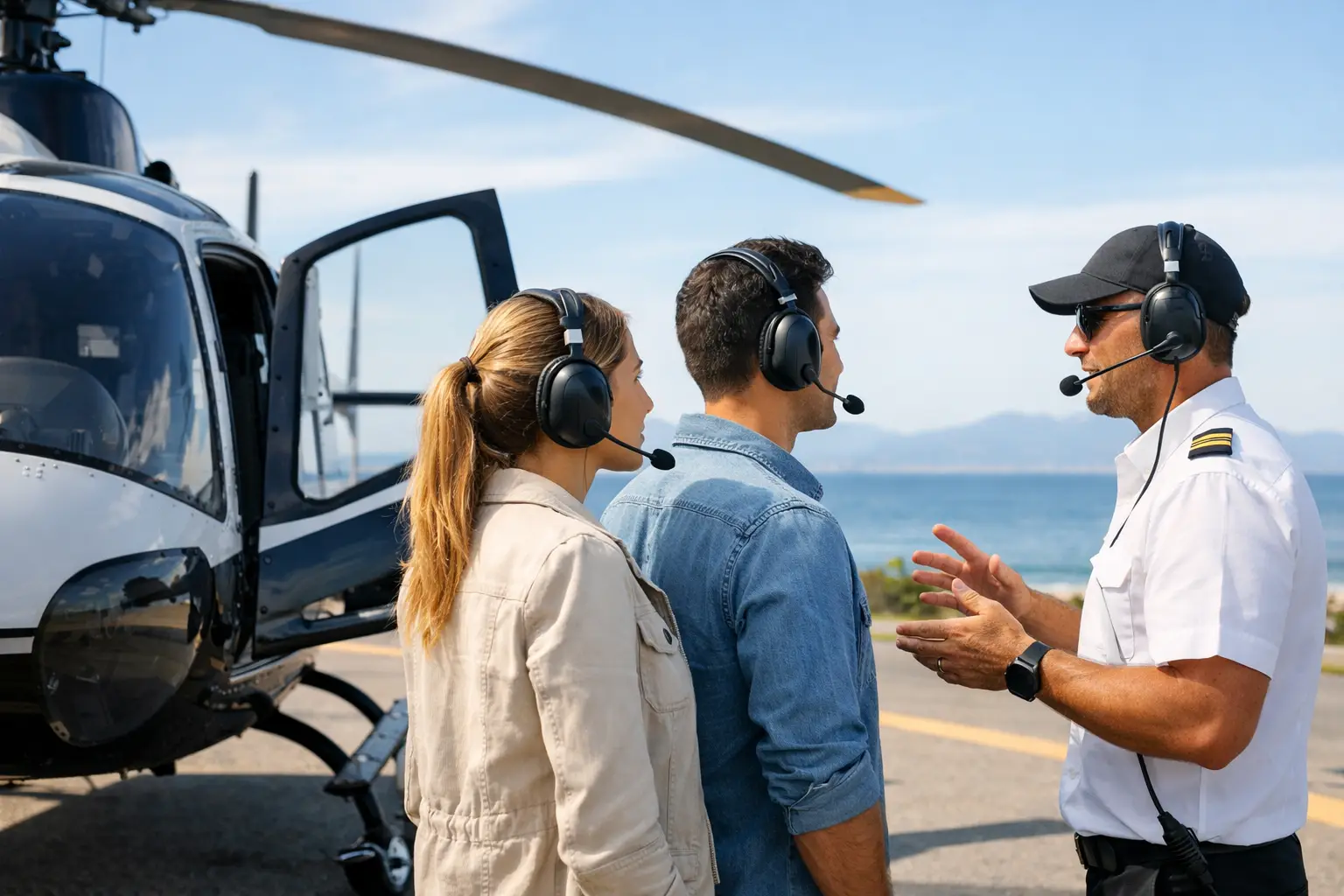
Una experiencia premium nunca debe omitir lo básico en nombre de la conveniencia. Antes de la salida, los pasajeros deben recibir una explicación de seguridad clara y eficiente que cubra los procedimientos de embarque, cinturones de seguridad, uso de audífonos, salidas de emergencia y comportamiento alrededor de la aeronave. Si las puertas se operan de una manera específica, si los objetos sueltos deben asegurarse o si las rutas de aproximación están controladas, esas instrucciones importan.
Esto es especialmente importante para los pasajeros de helicóptero por primera vez. Los helicópteros crean una sensación de proximidad más inmediata con la aeronave y el sistema de rotor que los viajes en aerolínea comercial, por lo que la disciplina de movimiento en tierra y abordaje es fundamental. Debes saber cuándo acercarte, por dónde caminar y cuándo esperar las indicaciones de la tripulación.
Para familias, grupos privados o equipos de producción que transportan equipo, la sesión informativa también puede incluir cómo se gestiona el peso y la carga. Eso no es un detalle administrativo. La carga y el equilibrio adecuados son fundamentales para operaciones seguras.
La condición de una aeronave depende de los sistemas, el mantenimiento y la disciplina.
La mayoría de los pasajeros no están en posición de evaluar un helicóptero desde el punto de vista mecánico, ni deberían tener que hacerlo. Tu función no es inspeccionar la aeronave. Tu función es elegir un operador con estándares de mantenimiento en los que puedas confiar.
Una empresa creíble debe operar aeronave mantenimiento bajo programas aprobados y horarios de inspección documentados. Cabinas limpias y una presentación pulcra son bienvenidas, pero no son lo mismo que la integridad del mantenimiento. El indicador más sólido es si la empresa se comunica como un operador de aviación: estructurada, precisa y transparente sobre cómo se gestiona la seguridad.
También vale la pena reconocer que ninguna categoría de aeronave es segura solo por su apariencia. Por ejemplo, las discusiones sobre bimotor frente a monomotor dependen del perfil de la misión, la ruta, el terreno y los estándares del operador. La opción más segura rara vez es la que tiene la afirmación de marketing más simple. Es la que se adapta apropiadamente a la misión y se opera dentro de procedimientos disciplinados.
Guía de seguridad para pasajeros de tours en helicóptero antes de la partida
Los pasajeros también contribuyen a la seguridad. La forma más efectiva de hacerlo es llegar preparados, atentos y ser sinceros sobre cualquier cosa que pueda afectar el vuelo. Si trae una cámara, bolso o equipo especial, infórmelo con anticipación. Si un pasajero tiene problemas de movilidad, ha estado enfermo recientemente o tiene ansiedad por volar, menciónelo temprano para que la tripulación pueda planificar adecuadamente.
La ropa y los artículos personales importan más de lo que muchas personas esperan. Se prefieren los zapatos seguros a cualquier cosa suelta o inestable. Los sombreros, bufandas y accesorios no asegurados pueden crear problemas alrededor del chorro del rotor y al abordar. Los teléfonos y las cámaras solo deben manipularse cuando la tripulación indique que es apropiado.
La declaración del peso también debe ser precisa. Algunos pasajeros lo consideran una formalidad incómoda, pero en helicópteros es relevante para las operaciones. Pesos honestos de los pasajeros y detalles del equipaje apoyan una planificación adecuada y cálculos de equilibrio seguros.
Cómo los operadores premium equilibran la comodidad con el control
El lujo y la seguridad no son prioridades que compiten. En un servicio de aviación bien administrado, se apoyan mutuamente. Un proceso de reserva fluido, personal atento, aeronaves limpias y rutas personalizadas mejoran la experiencia del cliente, pero nada de eso debería diluir el control operativo. De hecho, los mejores operadores premium tienden a ser los más estructurados porque entienden que la confianza se construye a través de la consistencia.
Esto es especialmente cierto para clientes con necesidades más complejas, como itinerarios con múltiples escalas, traslados ejecutivos, filmaciones aéreas o acceso a propiedades y resorts remotos. Los vuelos personalizados se pueden entregar de forma segura, pero solo cuando la personalización ocurre dentro de un marco operativo experimentado. Aerotour ha construido su reputación en ese ámbito combinando un servicio personalizado con una disciplina aeronáutica de larga data, que es exactamente lo que los clientes exigentes deberían buscar en Costa Rica.
Cuándo retirarse de una reserva
A veces, la señal de seguridad más clara es una incomodidad que no puedes ignorar. Si un operador es vago acerca de la certificación, se muestra despreocupado con el clima, tiene prisa durante el briefing o ignora las preguntas básicas de los pasajeros, sigue buscando. Lo mismo aplica si la empresa parece incapaz de explicar quién está operando realmente el vuelo.
El precio por sí solo no debe ser el factor determinante. Una tarifa más baja puede reflejar una ruta más corta o un paquete más simple, pero también puede implicar recortes en la profundidad del servicio, la planificación o el soporte operativo. En la aviación, el valor no se trata solo de lo que está incluido en el itinerario. Se trata de la calidad del sistema detrás de la experiencia.
El tour correcto en helicóptero debería dejarte concentrado en la costa, los volcanes, los bosques o el paisaje urbano debajo, no preguntándote si hay buen juicio en la cabina o detrás del horario. Elige al operador con los estándares más altos, haz preguntas informadas y deja que la seguridad sea la razón por la que la experiencia se sienta excepcional desde el principio.