
Guía de Reseñas de Servicios de Chárter Aéreo Privado


When a flight is carrying executives to a site visit, a family to a remote resort, or a production crew to a narrow filming window, the difference between a good experience and a costly one is rarely the aircraft alone. A useful private air charter service review looks at the operator behind the flight – how they manage safety, respond to changing logistics, and deliver on the promise of private aviation when timing and access matter most.
In Costa Rica, those details matter even more. Terrain, weather patterns, regional infrastructure, and destination access can quickly separate a capable charter provider from one that simply markets luxury. For travelers and organizations evaluating private aviation, the right review framework is not about glamour. It is about judgment.
What a private air charter service review should actually measure
Many charter reviews focus too heavily on appearance. Cabin photos, arrival experience, and concierge touches all have value, but they should not outweigh operational fundamentals. A serious review starts with credentials, operating history, and how the company supports missions that require precision.
That means asking whether the operator is properly certified, whether it follows recognized aviation standards, and whether it has meaningful experience in the regions it serves. A long-standing operator with local knowledge often brings more practical value than a newer company with polished branding. In private aviation, consistency is part of the product.
The strongest providers also show range in what they can execute. Private charters for leisure travel are one measure, but the ability to support executive mobility, aerial production, and specialized flight operations says more about depth. It suggests the company can work under tighter constraints, coordinate with more stakeholders, and adapt when a mission is not simple.
Safety is the first filter, not a feature
Any credible private air charter service review should place safety at the top. This is not marketing language. It is the basis for every other part of the experience.
Travelers and procurement teams should look for clear signs of regulatory compliance and disciplined operations. Certificación DGAC, adherence to ICAO standards, documented maintenance practices, and experienced flight crews are all meaningful indicators. So is longevity. An operator with decades of continuous service has usually built systems, not just sales materials.
Safety standards also show up in quieter ways. How does the company discuss weather? How does it handle route feasibility, baggage limits, landing conditions, or mission planning? A professional operator does not promise everything on the spot. It verifies, advises, and sets realistic expectations. That can feel less flashy during booking, but it is often a sign you are dealing with a serious aviation partner.
Fleet quality is about fit, not just image
A review that simply says an aircraft was comfortable misses the point. Fleet quality should be judged by whether the operator can match the right aircraft to the mission.
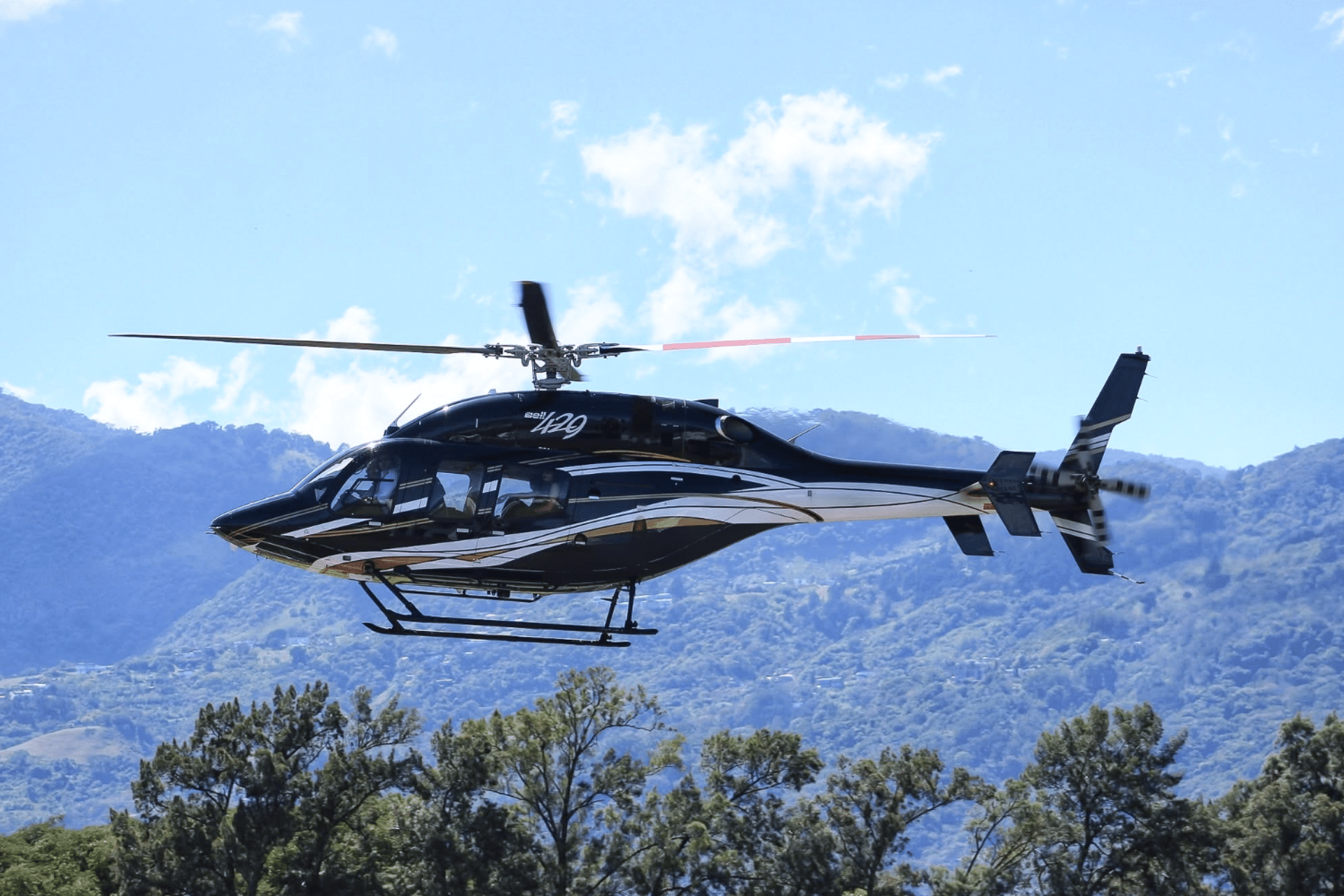
For short regional transfers, a private helicopter may be the best option when direct access and time savings are the priority. For longer routes, group movements, or airport-to-airport travel, a private airplane charter may make more sense. The value comes from the fit between aircraft capability, route conditions, passenger count, luggage profile, and schedule.
This is where experienced operators tend to stand out. They ask practical questions before confirming a flight. Are you traveling for business or leisure? Is the final destination close to a helipad, private property, or regional airstrip? Are you moving camera gear, technical equipment, or oversized bags? Those details shape not only comfort, but feasibility and cost.
An honest review should note whether the company guided those decisions well. Premium service is not saying yes to everything. It is recommending the right aircraft for the job.
Local operating strength matters in Costa Rica
Costa Rica rewards direct access, but it also challenges assumptions. Distances may look short on a map while road transfer times are long. Mountain ranges, coastal weather, and destination infrastructure can change planning quickly. That is why local operating strength deserves its own place in a private air charter service review.
An operator with established coverage from key hubs such as San José and Liberia is often better positioned to support both business and leisure itineraries. It can reduce repositioning inefficiencies, improve responsiveness, and offer more practical routing options across major tourism and commercial corridors.
This matters for guests heading to resorts, executives with multi-stop schedules, and crews working around daylight, permits, and production timelines. A charter company with real Costa Rica experience is not just selling transportation. It is solving regional access.
Service quality is measured before takeoff
In private aviation, service begins long before boarding. One of the clearest signs of quality is how the company manages the booking and planning process.
Were requests answered clearly and promptly? Did the team ask relevant operational questions? Were schedule options explained with confidence? Did the quote reflect the actual mission, or did details have to be corrected later? These moments reveal whether the operator is organized behind the scenes.
Strong service also means managing expectations with precision. Clients should understand departure procedures, luggage parameters, timing, identification requirements, and any route-specific limitations in advance. That level of communication protects the experience. It also builds trust, especially for first-time private charter clients who may not know what to expect.
For high-value travelers and corporate users, responsiveness is part of the premium. So is discretion. A provider should make the process feel direct, calm, and well controlled.
Pricing reviews need context
Pricing is one of the most misunderstood parts of any charter review. A lower quote is not always better value, and a higher quote is not automatically overpriced. Context matters.
A proper review should consider what the price includes: aircraft suitability, crew experience, operational support, routing realism, scheduling flexibility, and the provider’s safety infrastructure. In specialized aviation, underpricing can sometimes signal shortcuts in planning or limited capability.
That said, premium providers should still be transparent. Clients deserve clarity on what affects cost, whether that involves positioning flights, wait times, route changes, ground time, or mission-specific requirements. Good operators explain the drivers behind the number. That explanation often matters more than the number itself.
For corporate teams and production planners, predictability may be more valuable than finding the absolute lowest rate. Budget confidence has its own operational value.
Reviewing specialized capabilities
Not every charter company is built for the same kind of work. Some are strongest in leisure transfers. Others can support aerial filming, photography, industrial missions, or executive transport with equal confidence. A thoughtful review should account for that distinction.
If your needs go beyond point-to-point passenger travel, operational breadth becomes a major advantage. Media teams, for example, need more than an aircraft. They need pilots who understand positioning, communication, and the demands of shooting safely from the air. Commercial clients may need route flexibility, technical coordination, or timing tied to field operations rather than standard travel windows.
Providers with experience across these use cases often bring stronger planning discipline to every flight. That breadth can be a sign of operational maturity.
The trade-offs are real
Even the best charter service is not perfect for every mission. Helicopters offer exceptional access, but payload and range may be more limited than fixed-wing aircraft. Airplanes can be more efficient on certain routes, but may require added ground transfers depending on the destination. Private aviation saves time, but weather, daylight, and site conditions still matter.
A fair review should acknowledge these trade-offs rather than presenting private charter as effortless in every scenario. The best operators do the same. They explain where the service excels and where a different aircraft type, route, or schedule may be wiser.
That level of honesty is valuable. It helps clients make better decisions, and it usually reflects a provider focused on long-term trust rather than one-off sales.
What distinguishes a premium charter partner
The strongest charter experiences tend to share the same foundations: proven safety standards, experienced crews, regional knowledge, responsive planning, and aircraft matched carefully to the mission. Luxury is part of the experience, but reliability is what clients remember.
For that reason, a premium operator is best judged not by broad promises, but by how confidently it handles specifics. In Costa Rica, that means understanding access, terrain, weather, timing, and the unique needs of leisure guests, executives, and technical teams alike. Aerotour has built its position around exactly that combination of experience, certification, and mission-focused service.
If you are reading a private air charter service review before booking, look past the polished surface. The right choice is usually the operator that sounds most prepared, asks the best questions, and gives you confidence before the rotors or engines ever start.