
¿Puedo alquilar un avión privado en Costa Rica?


A missed connection in San José can cost more than a ticket. It can mean a lost resort day in Papagayo, a delayed site visit near Liberia, or a production schedule that starts slipping by the hour. If you are asking, can I charter a private jet, the short answer is yes. In most cases, individuals, families, executives, and organizations can arrange a private charter flight as long as the trip is operationally feasible and booked through a properly authorized operator.
What matters more than eligibility is fit. Private charter is not reserved for celebrities or heads of state. It is a practical aviation solution for travelers who need control over timing, routing, privacy, and access. In a market like Costa Rica, where terrain, weather, and distance between key destinations can affect ground travel, that flexibility has real value.
Can I charter a private jet if I am not a frequent flyer?
Yes. You do not need a membership, corporate flight department, or aviation background to charter an aircraft. Most clients book on an as-needed basis. That includes leisure travelers planning a high-end vacation, executives moving between meetings, and production teams that need precise logistics.
The process is straightforward when handled by an experienced charter provider. You share your route, passenger count, travel dates, preferred timing, and any special requirements. From there, the operator evaluates aircraft availability, airport suitability, crew scheduling, baggage limits, and operational conditions. Once those details align, you receive a quote and flight proposal.
The reason many first-time clients hesitate is simple: private aviation feels specialized. It is specialized, but it is not inaccessible. The real threshold is not status. It is whether private air charter solves a problem that commercial travel does not solve well enough.
When private charter makes sense
There are trips where commercial service works perfectly well. If your schedule is flexible, your destination is well served, and you do not mind connections or airport wait times, a scheduled airline may be the right choice. Private charter tends to make the most sense when time, access, discretion, or coordination matter more than lowest fare.
In Costa Rica, that often means reaching destinations without spending half a day in ground transfers. It can also mean flying a family or executive group on a timetable built around their plans, not around an airline schedule. For business travel, private charter is often less about luxury than about preserving productive hours and reducing logistical friction.
It also becomes valuable when the mission is more complex than passenger transport. Aerial filming, survey support, confidential movement of personnel, and tightly timed event logistics all benefit from an aircraft and crew assigned specifically to the task.
What type of aircraft would you actually charter?
This is where the term private jet can be misleading. Not every private charter uses a jet, and that is often a good thing. The right aircraft depends on distance, runway conditions, passenger load, luggage, and the nature of the trip.
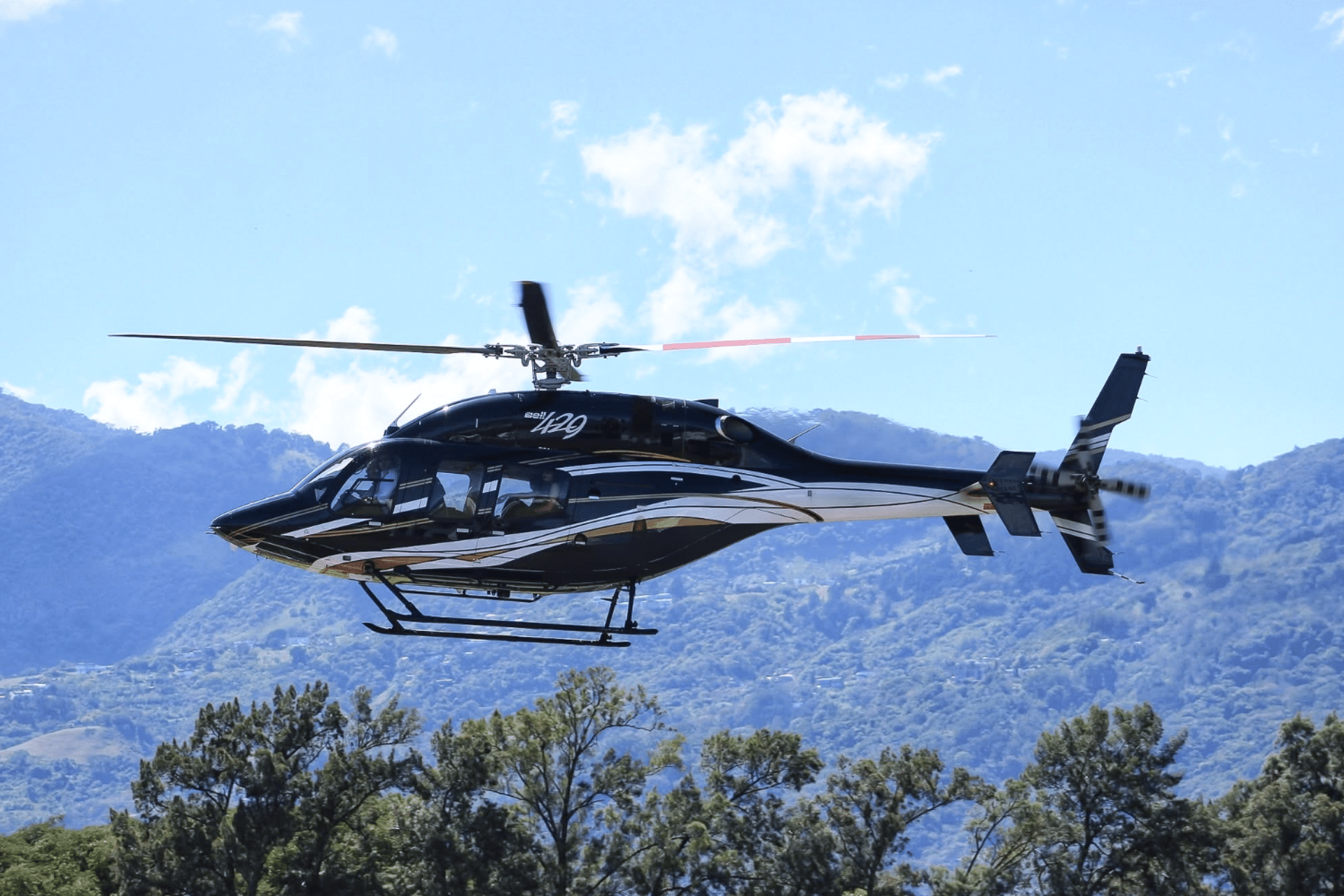
For shorter regional sectors, a turboprop may be the more practical option. It can offer strong performance, lower operating cost, and better suitability for certain airport environments. For some routes, especially where speed over longer distance matters, a light or midsize jet may be appropriate. If the destination requires direct vertical access or a scenic approach into an area that is less practical by fixed-wing aircraft, a helicopter may be the best fit.
A professional operator should guide this decision based on mission requirements, not on what sounds most impressive. Choosing the wrong aircraft can mean paying for performance you do not need, or worse, planning a trip around an aircraft that is not ideal for the route.
How booking works in practice
If you have never chartered before, the process is usually faster and more structured than expected. It starts with a flight request. You provide where you want to go, when you want to depart, how many people are traveling, and whether the trip is one-way, round-trip, or multi-stop.
From there, the operator reviews the practical details. Can the selected airport support the aircraft type? Are there curfews, handling requirements, weather concerns, or customs procedures involved? Is there enough baggage capacity for the group? If your travel includes executives, family members, or production equipment, those details matter early.
Once the flight can be supported operationally, you receive a charter quote. That typically reflects aircraft type, flight time, airport fees, crew costs, positioning, and any additional services requested. After confirmation, the team coordinates the schedule, passenger information, and pre-departure instructions.
For the client, the experience should feel organized and clear. Behind the scenes, there is significant planning. That is one reason operator experience matters so much.
What affects the price?
This is usually the next question after can I charter a private jet, and the honest answer is that pricing depends on the mission. There is no universal charter rate that applies to every trip.
Aircraft type is one major factor. So is total flight time. A same-day round trip may price differently from an overnight aircraft and crew stay. Airport selection matters as well, especially if one airport has higher handling fees or limited operating hours. Passenger count, baggage, short-notice requests, and repositioning flights can all influence the quote.
There is also a trade-off between convenience and cost. A more direct airport or a narrower departure window may increase the price, but it may still be the better value if it saves a day of travel or prevents delays that affect business, lodging, or production schedules.
For experienced charter clients, price is rarely viewed in isolation. It is evaluated against the cost of lost time, reduced flexibility, security concerns, and the practical burden of moving people or equipment through a commercial itinerary that does not fit the mission.
Safety and credentials matter more than the cabin photo
Private aviation is a high-trust purchase. The aircraft matters, but the operator matters more. A polished presentation is not the same thing as operational credibility.
Clients should pay attention to certification, regulatory compliance, maintenance standards, crew training, and the operator’s track record. In Costa Rica, working with a DGAC-certified operator that follows recognized aviation standards is more than a box to check. It is part of responsible risk management.
Experience also has real operational value. Weather shifts, airport constraints, routing changes, and client-specific requests all require sound judgment. An operator with decades of service is often better positioned to manage those variables calmly and efficiently.
That is especially relevant for travelers and organizations who do not charter often. You are relying on the provider not only for transportation, but for decisions that affect safety, timing, and trip continuity.
Can I charter a private jet for leisure, business, or specialized work?
Yes, and the use case shapes the flight plan. For leisure travelers, private charter is often about maximizing time in destination and reducing airport stress. Families may value privacy, easier movement with children, or direct access to a resort area. For couples or groups traveling on a tight schedule, private air service can turn a fragmented itinerary into a smooth one.
For business travelers, the appeal is different. Efficiency tends to lead the decision. Being able to leave after a meeting, reach a regional destination directly, and return without wasting a full business day can justify the premium quickly.
For production and technical teams, charter is often a logistics tool. Timing, gear movement, aerial coordination, and access to locations that are not well served by commercial routes all become part of the equation. In these cases, experience with mission-specific flying is essential.
This is where a long-established operator such as Aerotour can be especially valuable in Costa Rica, because the needs of an executive transfer, a scenic charter, and a production support flight are not identical, even when they use similar aircraft.
What to ask before you book
The best charter decisions usually come from asking clear, practical questions. What aircraft is actually best for this route? Is the quoted airport the closest useful airport, or simply the most common one? How much baggage can the aircraft carry comfortably? What happens if weather shifts? Is the operator certified for the service being provided?
It is also worth asking what is included in the quote and what may change. That avoids surprises and helps you compare options based on total mission value, not headline price alone.
A good charter provider should answer these questions directly. If the response feels vague, sales-heavy, or overly focused on luxury language, keep asking. Reliable operators tend to speak clearly about logistics, safety, feasibility, and service standards.
Private charter is not about making every trip extravagant. It is about matching the aircraft, schedule, and operating expertise to a specific need. If your travel requires precision, privacy, or access that commercial service cannot deliver well, the better question may not be can I charter a private jet, but whether you should for this particular trip.