
Fotografía aérea hecha como se debe

Los vuelos de fotografía aérea pueden hacer o deshacer un día de producción mucho antes de que la cámara empiece a grabar. La diferencia suele depender de la planificación, la idoneidad de la aeronave y la experiencia de el operador Gestionar la misión. Cuando el tiempo, la luz, el clima, el diseño de la ruta y los protocolos de seguridad se manejan correctamente, el resultado no son solo imágenes hermosas, sino que es eficiente, repetible y listo para la producción.
En Costa Rica, ese estándar importa aún más. El paisaje cambia rápidamente, los patrones climáticos varían por región y muchas de las tomas más valiosas involucran costas, selvas tropicales, volcanes, resorts, desarrollos remotos e infraestructura que son difíciles de capturar bien desde el suelo. Para marcas, cineastas, agencias y equipos de propiedad, una plataforma aérea no es un complemento de lujo. A menudo es la única forma práctica de capturar la escala, la geografía y el impacto visual en un solo cuadro.
Qué vuelos de fotografía aérea realmente están diseñados para hacer
A primera vista, los vuelos de fotografía aérea pueden sonar sencillos: reservar una aeronave, llevar una cámara y seguir una lista de tomas. En la práctica, los mejores resultados provienen de tratar el vuelo como una operación de producción coordinada. El trabajo aéreo se trata de posicionamiento, estabilidad, líneas de visión, gestión de altitud, ángulos de alabeo, comunicación entre la tripulación y el piloto, y ajustes rápidos cuando las condiciones cambian.
Por eso, estos vuelos sirven a más de un tipo de cliente. Un desarrollador de resorts puede necesitar imágenes pulidas que muestren la proximidad a la playa, las montañas y los corredores de transporte. Una marca turística puede querer filmaciones escénicas dramáticas que se sientan cinematográficas en lugar de meramente descriptivas. Un equipo de producción puede necesitar tomas repetidas y precisas para que coincidan con el movimiento, la luz o la continuidad. La misión cambia, pero el requisito se mantiene igual: el vuelo debe construirse en torno al objetivo de la imagen.
Por qué la elección de la aeronave es importante en los vuelos de fotografía aérea
No todas las plataformas son adecuadas para todas las tareas. Uno de los errores más comunes en la producción aérea es asumir que la aeronave es secundaria al paquete de la cámara. No lo es. Tipo de aeronave formas, qué se puede capturar, qué tan fluidamente se puede ejecutar el disparo y cuánta flexibilidad tiene el equipo una vez en el aire.
Helicópteros para precisión y control a baja velocidad
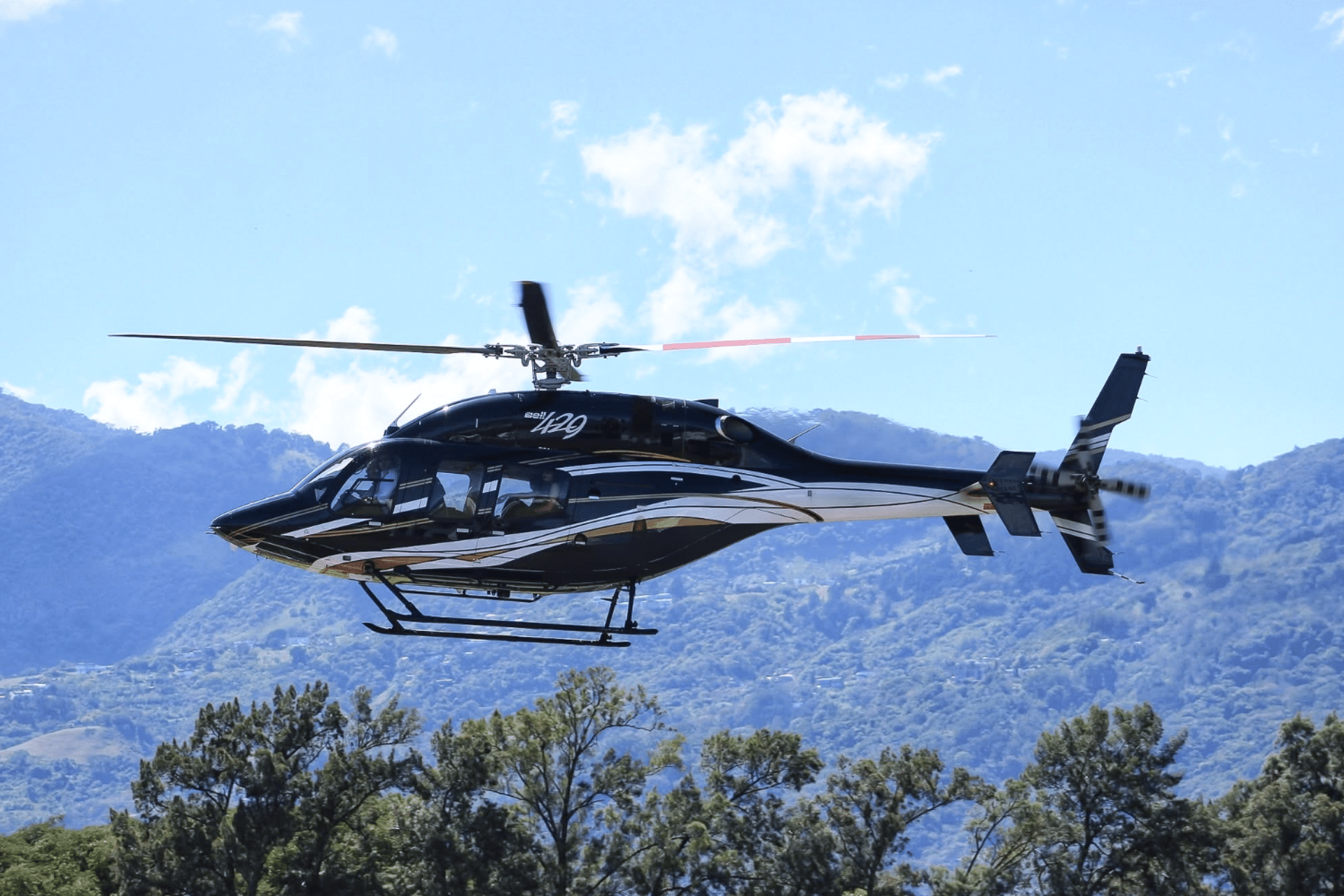
Los helicópteros suelen ser la opción preferida cuando la tarea requiere posicionamiento cercano, movimiento lento, capacidad de vuelo estacionario o acceso a terrenos complejos. Son particularmente efectivos para filmar costas, arquitectura, cascadas, crestas de montañas y secuencias de acción en vivo donde el tiempo y el encuadre deben ajustarse en tiempo real.
También ofrecen ventajas claras cuando los equipos de producción necesitan trabajar en torno a un tema definido, mantener una posición o acercarse a áreas que serían menos prácticas en una aeronave de ala fija. Esa maniobrabilidad adicional puede valer el costo adicional, especialmente cuando el costo de un día de rodaje perdido es alto.
Aviones para alcance, eficiencia y mayor cobertura
Los aviones de ala fija pueden ser una excelente opción para rutas más largas, estudios de áreas extensas y proyectos donde la velocidad y la eficiencia operativa importan más que la capacidad de vuelo estacionario o los giros cerrados a baja velocidad. Con frecuencia son muy adecuados para vistas generales regionales, documentación de corredores, imágenes de uso de suelo y campañas de destino que requieren tomas panorámicas más amplias.
La contrapartida es la flexibilidad. Los aviones generalmente requieren giros más amplios y una planificación más anticipada de la trayectoria del disparo. Para algunas misiones, eso no es un problema. Para otras, especialmente el trabajo visual altamente controlado, la falta de capacidad de vuelo estacionario se convierte en una limitación real.
Planificar la toma antes de que el vuelo despegue
Los resultados aéreos contundentes comienzan en tierra. Los mejores operadores no empiezan con la disponibilidad de aeronaves. Empiezan con el propósito de la filmación y luego construyen el vuelo alrededor de él.
Eso significa aclarar el tema, el aspecto deseado, la hora del día, las condiciones climáticas preferidas, los ángulos prioritarios y si el resultado final es metraje cinematográfico, fotografía comercial, imágenes de inspección o una combinación de formatos. Una campaña en la costa al amanecer y un vuelo de documentación de un sitio industrial pueden entrar dentro de la fotografía aérea, pero requieren diferentes opciones de altitud, lógica de ruta y estilo de comunicación.
La planificación de tomas también debe tener en cuenta las condiciones regionales. En Costa Rica, la costa del Pacífico, el Valle Central y las zonas del norte pueden presentar diferentes comportamientos de nubes, patrones de viento y ventanas de visibilidad en el mismo día. El conocimiento operativo local no es una ventaja menor. Afecta directamente si un cronograma es realista.
La seguridad es parte de la calidad de imagen
En la aviación premium, la seguridad no está separada de la calidad del servicio. Es parte del resultado. Una tripulación que opera con disciplina, certificación adecuada y procedimientos claros crea el ambiente donde el trabajo creativo pueda suceder consistentemente.
En los vuelos de fotografía aérea, esto es importante porque los equipos de producción a menudo se centran en lo visual mientras que el operador gestiona el rendimiento de la aeronave, la coordinación del espacio aéreo, la viabilidad de la ruta y las variables ambientales. Esa división de responsabilidades solo funciona cuando existe confianza. Los clientes deben esperar un operador con estándares comprobados, pilotos experimentados y un claro entendimiento del vuelo específico de la misión.
Esto es especialmente relevante cuando los vuelos implican configuraciones de puertas abiertas, posicionamiento especializado de cámaras, pasadas repetidas o vuelos en áreas donde el terreno y el clima requieren buen juicio. El servicio premium no se trata solo de comodidad o capacidad de respuesta. Se trata de trabajar con un socio de aviación que comprende cómo apoyar misiones exigentes sin comprometer la disciplina operativa.
¿Quiénes se benefician más de los vuelos de fotografía aérea?
El valor de las imágenes aéreas depende de lo que el cliente necesite comunicar. Para las marcas de viajes de lujo y los grupos hoteleros, las imágenes aéreas muestran el entorno de una manera que la fotografía terrestre no puede. Conectan la propiedad con la costa, el bosque, la marina, el campo de golf o atracciones cercanas en segundos.
Para clientes corporativos e industriales, el valor es más funcional. Las imágenes aéreas pueden documentar activos, monitorear el progreso del proyecto, respaldar presentaciones para partes interesadas y proporcionar una visión más amplia para la toma de decisiones. En esos casos, la estética sigue siendo importante, pero la claridad y la perspectiva a menudo importan más.
Los equipos de producción se ubican en un punto intermedio. Necesitan un impacto visual, pero también fiabilidad. Rutas de vuelo repetibles, un piloto que entienda la dinámica de filmación y un equipo capaz de adaptarse a las cambiantes necesidades creativas son a menudo más importantes que simplemente poder despegar.
¿Qué hace que Costa Rica sea especialmente fascinante desde el aire?
Costa Rica ofrece una variedad visual inusual dentro de cortas distancias de vuelo. Eso crea un valor de producción real. Una sola misión puede pasar de un horizonte urbano a un terreno volcánico, desde el dosel de la selva tropical hasta la costa, o desde activos de hospitalidad remotos hasta corredores de infraestructura con muy poco tiempo de reposicionamiento en comparación con países más grandes.
Esa eficiencia es importante tanto para los clientes de viajes como para los operadores comerciales. Reduce la fricción en la producción y abre más oportunidades de filmación dentro de una sola ventana de vuelo. También permite un diseño de misión altamente personalizado, especialmente cuando el operador tiene cobertura base tanto en los corredores de San José como de Liberia.
Para clientes que necesitan una combinación premium de logística y acceso visual, esa flexibilidad regional es una gran ventaja. Aerotour ha construido sus operaciones aéreas en torno a ese tipo de demanda, combinando una larga experiencia operativa con soporte de vuelo específico para misiones en áreas clave del país.
Preguntas para hacer antes de reservar vuelos de fotografía aérea
El proveedor adecuado debe ser capaz de responder preguntas prácticas con claridad. ¿Qué aeronave es mejor para el objetivo visual? ¿Qué ventana de tiempo ofrece la mayor probabilidad de luz y clima? ¿La ruta puede soportar múltiples pasadas? ¿Qué limitaciones debe esperar el cliente en ciertas zonas o condiciones? ¿Cómo funcionará la comunicación entre el piloto y el equipo de producción durante la misión?
También vale la pena preguntar cuánto del plan de vuelo se puede personalizar. Algunas asignaciones son relativamente sencillas, mientras que otras implican una programación de producción ajustada, coordinación con equipos en tierra o múltiples prioridades visuales en una sola misión. Un proveedor con experiencia en operaciones aéreas debería poder adaptar el vuelo al cliente en lugar de forzar el proyecto en una ruta genérica.
Los mejores vuelos se sienten sin esfuerzo porque no se improvisan
Cuando la fotografía aérea sale bien, los clientes a menudo recuerdan las imágenes y olvidan la complejidad operativa detrás de ellas. Así es exactamente como debe ser. La ruta se siente lógica, el tiempo es preciso, la comunicación es calmada y el equipo parece estar un paso adelante de la producción en todo momento.
Ese resultado no es accidental. Proviene de la combinación del criterio de aviación con una comprensión clara de lo que necesita la cámara. Los mejores vuelos de fotografía aérea no son simplemente vuelos escénicos con un fotógrafo a bordo. Son misiones cuidadosamente ejecutadas diseñadas para entregar imágenes utilizables, proteger el cronograma y respaldar el objetivo final del cliente con confianza.
Si la asignación es importante, el plan de vuelo debe tratarse con el mismo cuidado que la imagen final. Ahí es usualmente donde comienza el mejor trabajo.