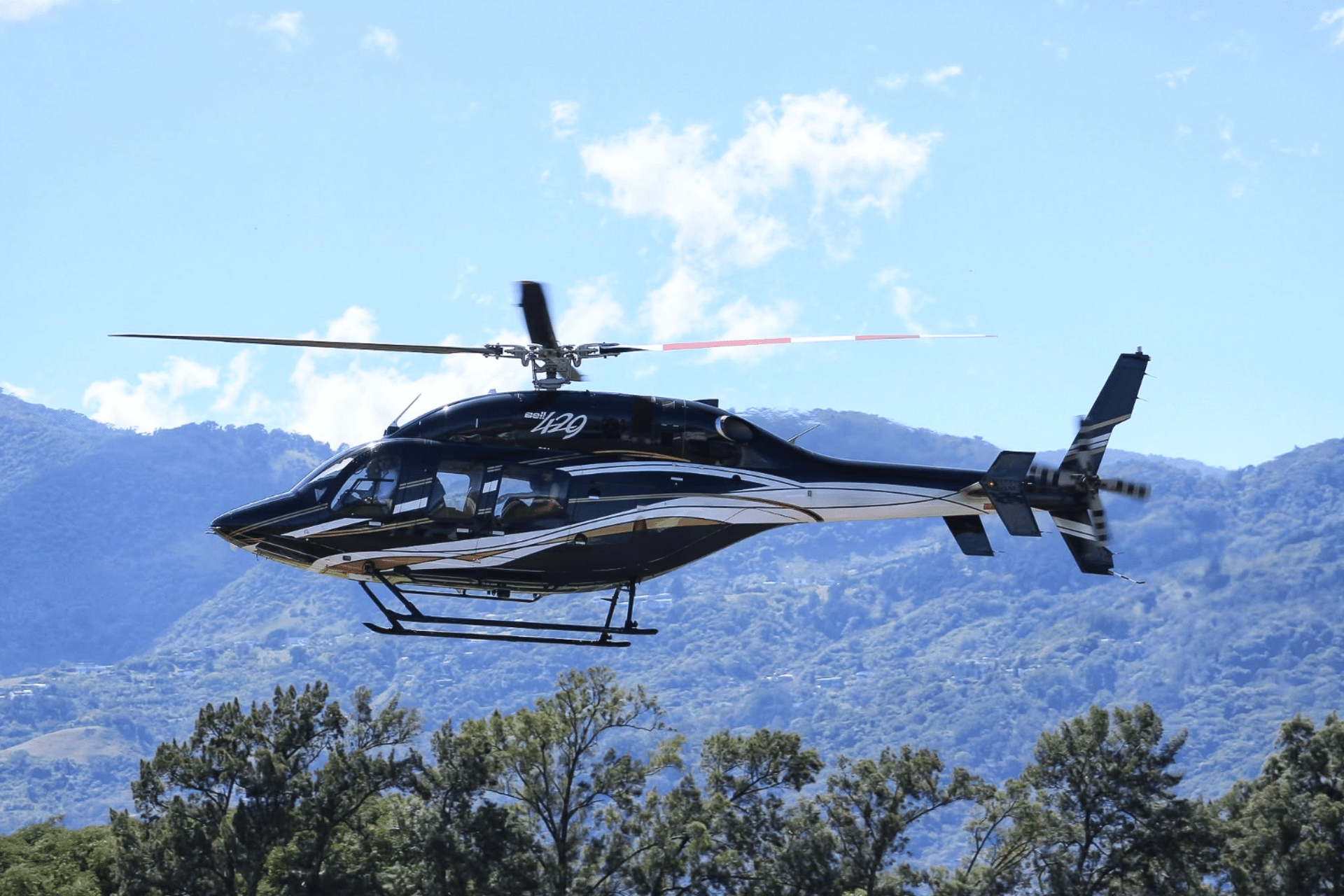

Can Helicopters Reach Islands? What It Takes

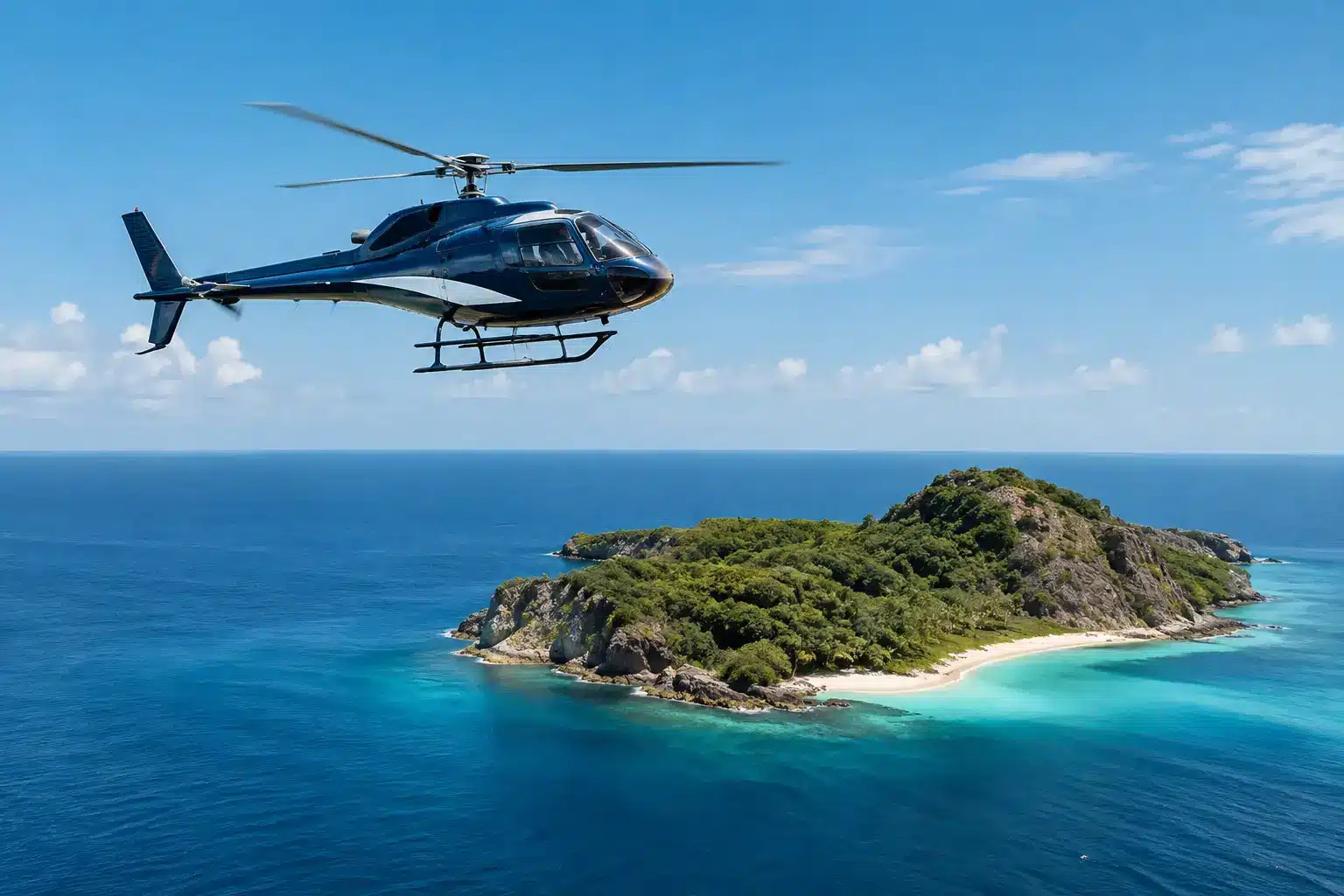
A beach may look minutes away on a map, yet an island flight requires far more than pointing a helicopter toward the horizon. Can helicopters reach islands? In many cases, yes. But a safe, legal, and comfortable island transfer depends on range, fuel reserves, weather, landing authorization, passenger load, and the capability of the operator planning the mission.
For travelers and organizations in Costa Rica, helicopters can provide direct access to coastal properties, islands with approved landing areas, vessels offshore, and remote production locations. The right aircraft and flight plan can replace a long ground-and-boat journey with a private transfer tailored to the day’s conditions.
Can Helicopters Reach Islands Safely?
Helicopters are particularly well suited to island operations because they do not need a conventional runway. That flexibility does not mean they can land anywhere. A suitable destination still needs a safe approach path, enough clear space for the aircraft, a stable surface or approved helipad, and authorization from the owner or relevant authorities.
Distance is the first practical consideration. Most modern charter helicopters have the range to serve nearby coastal islands and offshore destinations, but range is never assessed as a simple one-way number. Professional flight planning accounts for the full route, expected winds, fuel required for contingencies, alternate landing options, aircraft performance, and regulatory reserve requirements.
A direct route may be possible on a calm morning but require a different plan later in the day. Coastal winds, rain cells, haze, and low cloud can change quickly in tropical environments. An experienced operator evaluates the conditions before departure and continues monitoring them throughout the mission. If safety margins are not where they should be, the responsible decision may be to delay, reroute, or use another mode of transport.
Range Is Only Part of the Answer
The question is not simply whether a helicopter can fly far enough to reach an island. It is whether it can complete the mission with appropriate safety margins while carrying the required people and equipment.
Passenger count matters. A helicopter that can comfortably carry several guests on a short scenic flight may have a lower allowable payload on a longer route, at higher temperatures, or when transporting camera equipment, luggage, cargo, or specialized mission gear. Heat and humidity can reduce aircraft performance, especially at low-altitude coastal locations.
The destination also shapes the calculation. A flight to an island with a reliable fuel arrangement, an established helipad, and multiple nearby alternatives is different from an operation to a remote private site. In the latter case, the crew may need additional fuel planning, a reconnaissance pass, ground coordination, or a separate logistics solution for luggage and supplies.
For executive travel, this planning protects more than the schedule. It preserves the discretion, comfort, and predictability that make private aviation valuable in the first place.
Offshore Flights Require Added Discipline
Flying over water is a normal part of many helicopter missions, but it requires specific preparation. The operator assesses the distance from shore, aircraft equipment, passenger briefing requirements, flotation provisions where applicable, weather along the route, and emergency response considerations.
Passengers should expect a concise safety briefing before an overwater flight. This may cover seat belts, headsets, life vests or flotation equipment, approach and departure procedures, and how to follow crew instructions. These steps are not ceremonial. They are part of the operational discipline behind a well-managed charter.
The Landing Site Determines What Is Possible
An island can be geographically close and still be unsuitable for a helicopter landing. The best landing sites are clear, level, appropriately sized, and free from loose debris, overhead wires, tall trees, structures, and unnecessary foot traffic.
A hotel or private residence may have a helipad, but its availability should always be confirmed in advance. Some sites have operating restrictions based on daylight, noise, seasonal conditions, local permits, or aircraft type. Others may be physically adequate but require prior consent from property management or the landowner.
Beach landings deserve particular caution. Sand, wind, people, wildlife, tide patterns, and surface conditions create variables that can make an otherwise open area unsuitable. Rotor wash can also send sand and debris outward at high speed. For these reasons, beach operations are carefully assessed and are not assumed simply because there is open shoreline.
For commercial and production work, the landing zone may need additional preparation. Aerial film crews, survey teams, construction managers, and industrial partners often require coordinated ground support, controlled access, equipment handling, and timing that works around other site activity.
Weather Can Change the Plan
Costa Rica’s geography creates dramatic microclimates. Conditions in San José can differ substantially from those along the Pacific coast, the Caribbean, or a small offshore island. A bright departure point does not guarantee a suitable destination.
Visibility, cloud base, wind, thunderstorms, and sea-state-related weather patterns all influence island operations. Afternoon convection can be especially relevant during wetter periods, while strong coastal winds may affect approach paths and passenger comfort. The crew also considers forecast trends, not only the weather at the planned departure time.
This is why flexible scheduling is a genuine advantage for private helicopter travel. When the itinerary allows room for an earlier departure, a brief weather hold, or a return before conditions change, the operator has more options to protect the mission without compromising standards.
Permits, Privacy, and Local Coordination
Remote access does not remove the need for authorization. Depending on the island and purpose of the flight, a helicopter operation may require permission from a property owner, resort, marina, park authority, local aviation authority, or event organizer.
Flights near protected areas deserve special attention. Noise restrictions, wildlife sensitivity, visitor regulations, and designated operating areas can apply. A professional charter provider confirms what is permitted rather than treating an isolated location as an unrestricted landing zone.
Privacy also matters to high-profile travelers and corporate teams. A well-planned private flight can minimize public exposure and avoid the friction of crowded terminals, ferry schedules, and long road transfers. Yet privacy is strongest when it is supported by coordination: discreet arrival procedures, approved ground access, and clear communication with the destination team.
Choosing the Right Aircraft and Operator
The right helicopter depends on the route, number of passengers, baggage volume, landing environment, and purpose of the flight. A compact aircraft may be ideal for a quick coastal transfer or aerial photography mission. A larger cabin may be better for family travel, executive groups, production equipment, or a more spacious experience over a longer distance.
Aircraft selection should never be based on cabin preference alone. Operators must match the aircraft to the actual performance requirements of the mission. That includes weight and balance, anticipated temperatures, fuel planning, and the limitations of the origin and destination landing sites.
Look for an operator with established maintenance practices, properly qualified crews, and the local knowledge to coordinate island logistics. In Costa Rica, Aerotour brings operating experience dating to 1973, DGAC certification, and ICAO-aligned standards to customized helicopter missions from its San José and Liberia bases.
Questions Worth Asking Before You Book
Before confirming an island helicopter charter, share the exact destination, preferred travel window, passenger count, estimated baggage, and any special requirements. If the flight supports a proposal, corporate meeting, film shoot, resort arrival, or vessel transfer, say so early. Those details affect the aircraft recommendation and the approvals required.
It is also wise to ask whether the proposed landing site has been previously assessed, what weather flexibility is recommended, and how the operator handles a schedule change. Clear answers are a sign that the provider is planning a real aviation mission, not merely selling a scenic route.
When a Helicopter Is the Best Island Connection
Helicopters are most valuable when time, access, privacy, or logistics outweigh the cost of conventional transportation. They can be an efficient choice for travelers moving between an airport and a remote resort, executives visiting coastal operations, families seeking a private arrival, or production teams working against a narrow weather window.
They are not always the preferred solution. A ferry may be more practical for large amounts of cargo, a large group, or an island without a suitable landing site. In other situations, a helicopter transfer paired with a boat can offer the best balance, placing guests or equipment at the nearest approved point before completing the final segment by water.
The most useful starting point is a specific itinerary rather than a general assumption. Share the island, the purpose, the people traveling, and the timing you need. With those details, an experienced aviation team can determine whether a helicopter is the right connection and build a flight plan that gets you there with the confidence a remote destination deserves.