
Aerial Camera Systems for Costa Rica Productions

Aerial camera systems can turn a coastline, rainforest canopy, active resort, or remote construction site into a perspective no ground crew can replicate. In Costa Rica, however, a compelling aerial shot is never only about the camera. It depends on aircraft selection, weather awareness, airspace coordination, crew communication, and an operator who understands how quickly conditions can change between the Central Valley and the coast.
For production teams, brands, and organizations, the right aerial platform creates more than attractive footage. It can reveal scale, establish a destination, document progress, follow a story in motion, or capture the access challenges that define a project. The right plan makes that capability dependable.
What Aerial Camera Systems Really Include
The phrase aerial camera systems is often used to describe a camera mounted to an aircraft. In practice, it refers to an integrated operation. The aircraft, stabilized camera mount, lenses, power supply, monitoring equipment, communications setup, pilot, camera operator, and flight plan must work together.
A stabilized gyro-mounted camera system is designed to reduce the vibration and movement inherent in flight. This allows operators to capture smooth tracking shots, broad establishing sequences, and detailed images from a safe stand-off distance. The difference is especially apparent when filming a moving vehicle, a wildlife-sensitive area, or a location where the aircraft cannot safely fly close to the subject.
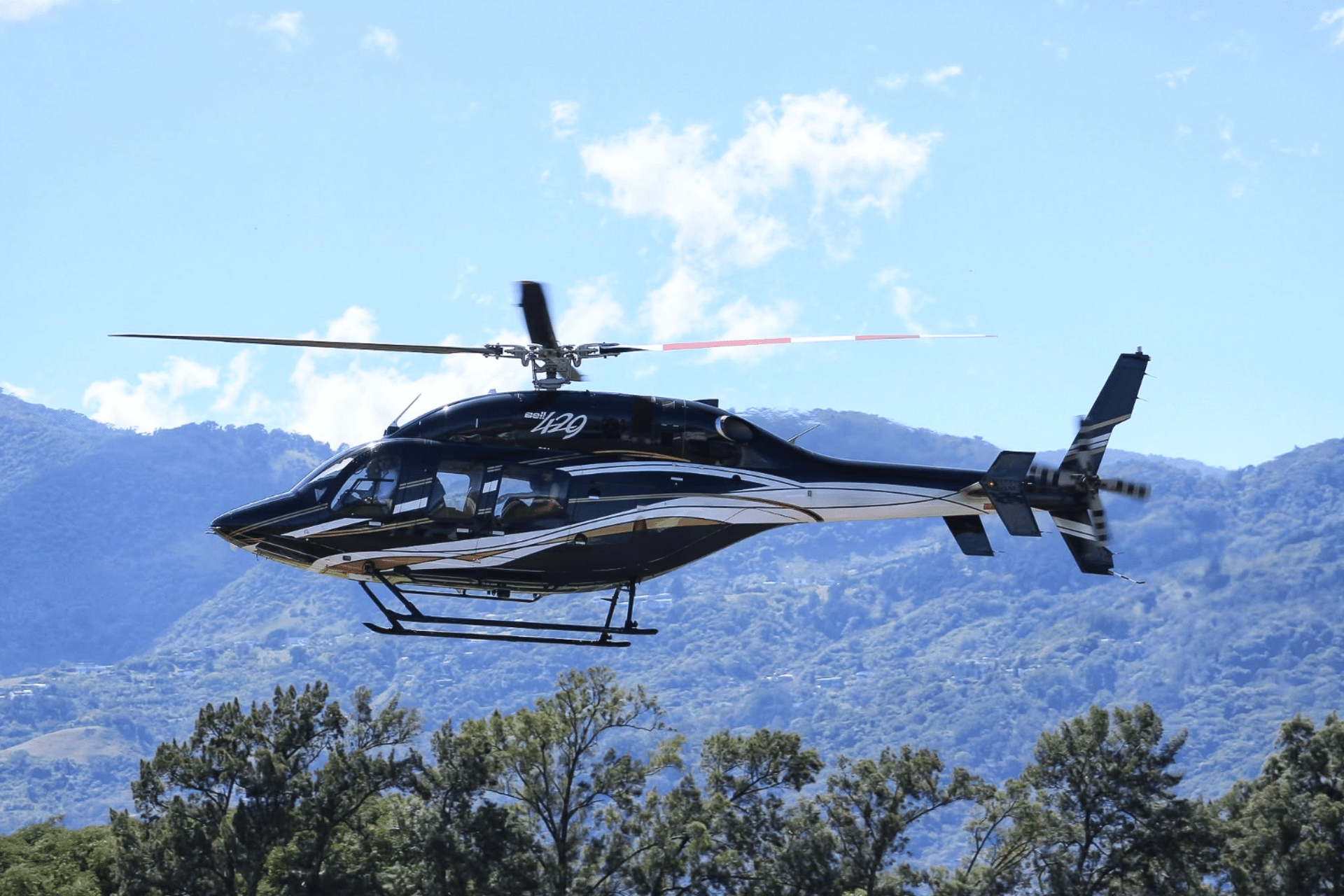
Helicopters are often selected when a production needs flexibility. Their ability to maneuver, hold a position where conditions permit, and work at lower operating speeds can support highly controlled shots. Airplanes may be a better fit for longer-range coverage, broad landscape work, route documentation, or missions where endurance and efficient regional access matter more than close-in maneuvering.
The decision is not simply about which aircraft looks more impressive. It is about matching the platform to the shot list, location, weather window, payload, and production schedule.
Why Costa Rica Demands a Specialized Flight Plan
Costa Rica offers extraordinary visual variety within short distances: volcanic terrain, dense forest, Pacific beaches, Caribbean coastlines, urban centers, agricultural land, and remote lodges. That variety is valuable for a production, but it also requires careful operational thinking.
Weather is one of the first considerations. Coastal cloud cover, afternoon rain, mountain winds, and changing visibility can affect both the look of the image and the timing of the flight. A production plan should include realistic flexibility rather than assuming that a single narrow time window will remain available.
Terrain also matters. Valleys, ridgelines, forested areas, and isolated sites can influence flight routing, radio communications, and the position from which a shot can be safely obtained. A creative brief may call for a low, dramatic pass through a landscape, while the aviation team may identify a safer angle, altitude, or direction that still achieves the visual objective. That collaboration is where a good aerial sequence is made.
Airspace coordination is equally important. Filming near airports, populated areas, infrastructure, or protected zones may involve restrictions or approvals. An experienced aerial operator evaluates these requirements before filming day, not after the production crew is already on location.
Start With the Shot, Not the Aircraft
The most efficient aerial productions begin with a clear creative purpose. “Get dramatic aerials” is a useful ambition, but it is not a flight plan. A better brief identifies what the audience needs to see, how the shot will be used, and what cannot be missed.
For example, a luxury resort campaign may require a sunrise approach that shows the relationship between the property, beach, and surrounding landscape. A corporate project may need repeatable views of a facility, access road, and nearby logistics corridors. A documentary team may prioritize a long lens observation shot that keeps the aircraft at a respectful distance from people or wildlife.
Once the creative objective is clear, the aviation team can recommend a suitable camera system, aircraft, route, and operating time. This process also helps determine whether the production needs live monitoring, a dedicated camera operator, specialized lens capability, or additional flights for coverage.
Trying to fit every desired angle into a single flight can create unnecessary pressure. Prioritize the shots that carry the story, then build enough time for repositioning, weather variation, and safety decisions. The strongest footage often comes from a well-executed short sequence rather than an overextended schedule.
Consider the Final Deliverable
Aerial footage intended for a cinematic brand film is planned differently from material intended for survey documentation, broadcast news, real estate marketing, or social media. Frame rate, resolution, lens selection, camera movement, and the duration of each pass should reflect the final edit.
Production teams should also consider whether footage needs to match ground-camera material. Color workflow, time of day, sun direction, and camera settings all affect continuity. Discussing these details before takeoff can prevent expensive compromises in post-production.
Safety Is Part of the Creative Process
Aerial filming can appear effortless on screen because the preparation is invisible. Behind a polished shot is a disciplined process that separates creative ambition from operational risk.
The pilot remains responsible for the safe conduct of the flight. Camera operators and directors contribute to the visual plan, but they must work within established communication protocols and recognize that weather, terrain, fuel requirements, aircraft performance, and airspace conditions may require a change in plan.
This is not a limitation on creativity. It is what protects the production, the crew, people on the ground, and the continuity of the project. A safe alternative may produce a better result anyway: a revised orbit, a different time of day, a longer lens, or an adjusted route can often preserve the intended visual impact.
When selecting an operator, production teams should look for a proven safety culture, current regulatory compliance, trained personnel, and experience with mission-specific flights. In Costa Rica, DGAC certification and operations aligned with ICAO standards provide important reassurance, particularly for international clients accustomed to rigorous aviation oversight.
Aerotour brings decades of Costa Rican operating experience to this type of work, combining specialized aerial support with the practical local knowledge required to coordinate complex filming missions.
Helicopter, Airplane, or Unmanned Platform?
Each platform has a role. A helicopter can be highly effective for controlled movement, close coordination with a production team, and access to locations where flexibility matters. It is often the preferred option for cinematic tracking, resort footage, destination storytelling, and detailed visual coverage of a specific site.
An airplane may be the more efficient choice for long-distance flights, extensive coastal or rural coverage, and assignments that require broader geographic reach. It can also support work where a production needs a stable route and greater endurance rather than frequent repositioning.
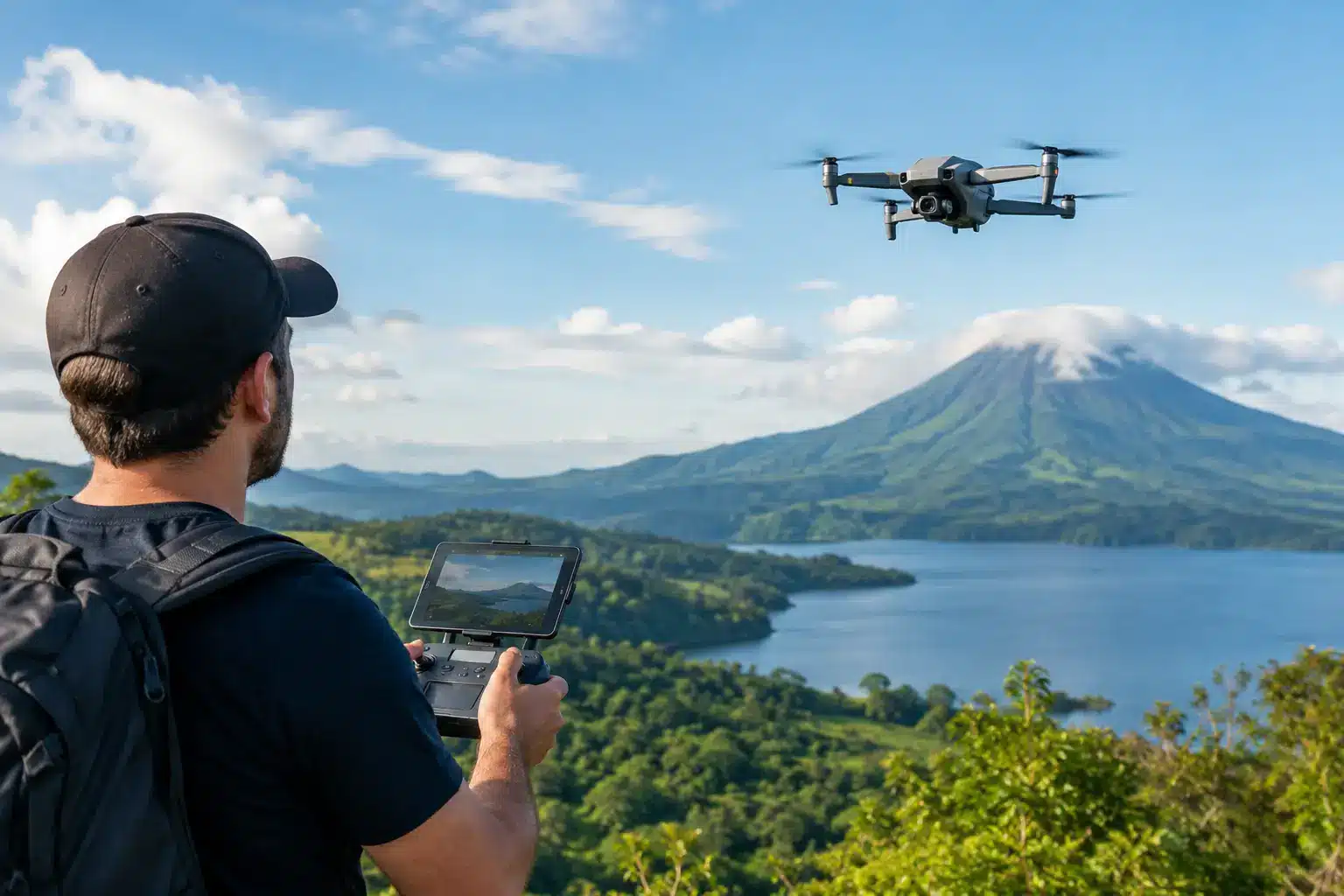
Unmanned camera platforms can complement crewed aircraft in suitable locations, particularly for close-range perspectives. They are not an automatic substitute. Their operating limitations, weather sensitivity, range, payload, and regulatory requirements differ substantially from crewed aviation. A layered production may use both: crewed aerial filming for expansive movement and access, followed by unmanned footage for detail shots near the subject.
The best solution depends on the story, not the trend. Choosing the wrong platform can add cost without improving the final image.
Planning a Productive Aerial Filming Day
Aerial filming works best when the aviation team is brought into planning early. Share the storyboard, location coordinates, preferred dates, intended flight duration, crew count, equipment needs, and delivery expectations. If there are sensitive locations, talent movements, vessel positions, or timed events, identify them in advance.
A location review can reveal practical details that are easy to miss from a ground-based production schedule. Where will the aircraft stage? Is there reliable communication at the site? Which direction will provide the best light? Are there nearby obstacles, restricted areas, or changing weather patterns? These questions shape the day before the cameras roll.
It is also wise to build a weather contingency into the production calendar. Costa Rica’s landscapes are visually rich because of their climate, but that same climate can require patience. A backup window is not a sign of poor planning. It is a mark of professional planning.
For executive and commercial projects, discretion matters as much as image quality. A qualified aviation provider can coordinate schedules and logistics with the privacy, responsiveness, and clear communication expected by high-value clients.
The Value of an Experienced Aerial Partner
The most valuable aerial partner does more than provide an aircraft. They translate a creative request into an achievable mission, advise on the variables that affect the shot, and keep the production moving when conditions shift.
That experience is particularly valuable when the filming assignment has little margin for error: a one-day campaign shoot, a limited talent window, a remote location, or a corporate event that cannot be repeated. Clear preflight coordination and decisive on-site communication help preserve both the schedule and the standard of the work.
A memorable aerial image begins with a strong visual idea. Give it the support of an aircraft, camera system, and flight team prepared to carry that idea safely from briefing to final frame.