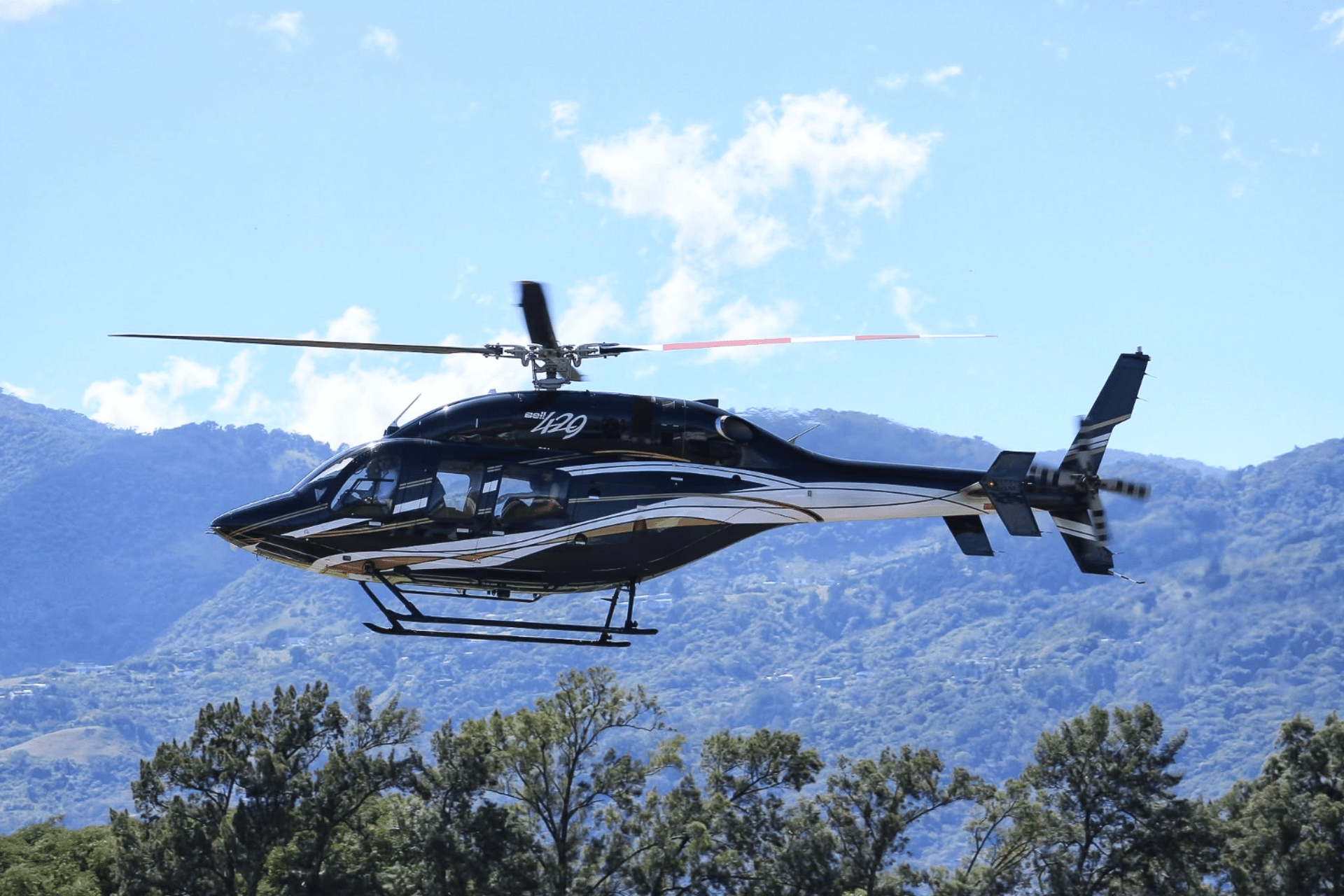

How to Plan Executive Flight in Costa Rica


An executive itinerary can lose its value quickly when a two-hour drive becomes four, a commercial connection is delayed, or a destination is difficult to reach by road. Knowing how to plan executive flight means treating aviation as part of the business plan, not simply as transportation arranged at the last minute.
In Costa Rica, this requires local operational knowledge. Mountain terrain, changing weather patterns, airport operating limitations, landing-site approvals, and the distance between key regions all affect what is practical. The strongest plan balances time savings and privacy with safety, aircraft capability, and realistic ground logistics.
Start With the Mission, Not the Aircraft
The first question is not whether to charter a helicopter or airplane. It is what the flight needs to accomplish. An executive traveling from San José to a meeting near Guanacaste has different requirements from a leadership team visiting an agricultural operation, a construction site, or multiple hospitality properties in one day.
Define the purpose of the trip, the number of passengers, the required arrival time, baggage needs, and whether the final destination has a suitable airport, helipad, or nearby transfer point. This information allows an operator to recommend an aircraft based on the mission rather than appearances alone.
A fixed-wing private airplane is often the best fit for longer regional routes, larger baggage loads, and airport-to-airport travel. A helicopter can be more effective when direct access matters most, particularly for remote properties, coastal destinations, production locations, or sites where road travel is slow. The right choice depends on the route, weather, passenger comfort expectations, and approved landing options.
How to Plan Executive Flight Around Time
Private aviation saves time most effectively when the full journey is planned, not only the airborne portion. A 45-minute flight can still create a poor experience if passengers wait for vehicles, luggage, access clearance, or a meeting host after landing.
Build the schedule backward from the appointment. Confirm the required arrival time, then allow for aircraft boarding, ground transfer at the destination, and a reasonable operational buffer. For important meetings, it is wise to schedule arrival early enough to absorb routine variables without adding unnecessary idle time.
Costa Rica’s business and tourism corridors can involve meaningful road-time differences. San José and Liberia serve as important operating bases, but the best departure point depends on where passengers are beginning their day. Choosing the airport or helipad closest to the actual origin can preserve much of the value of a charter.
Return planning deserves the same attention. If the meeting ends later than expected, confirm whether the aircraft and crew can remain available, reposition, or adjust the departure time. A clear waiting-time and flexibility plan avoids confusion when a board meeting, site inspection, or client dinner runs beyond schedule.
Consider Weather as an Operational Variable
Costa Rica’s weather can be highly localized. Conditions in the Central Valley may differ significantly from those on the Pacific coast, in the mountains, or near a remote destination. Rainy-season operations, afternoon convection, visibility, and wind conditions can influence routing, departure timing, and landing decisions.
A dependable operator will assess conditions before flight and make conservative decisions when necessary. For the traveler, this means maintaining a practical margin in the itinerary and avoiding commitments that rely on an exact minute-by-minute arrival under all conditions. Safety decisions should never be pressured by an executive calendar.
Review the Operator, Not Just the Quote
Private charter is a high-trust service. Price matters, but it should be evaluated alongside the operator’s experience, certifications, maintenance standards, crew qualifications, and knowledge of the intended route.
Ask whether the operator holds the appropriate national approvals and operates in accordance with recognized aviation standards. In Costa Rica, DGAC certification and adherence to ICAO standards are meaningful indicators of an operator’s regulatory foundation. Also ask about the aircraft assigned to the mission, the crew’s relevant experience, insurance documentation where appropriate, and the procedures used to manage weather or alternate plans.
Long operating history can be particularly valuable in a destination where local logistics are as important as flying skill. An experienced provider understands which landing sites are operationally suitable, where access permission is required, and how to coordinate with hotels, private estates, resorts, airfields, and ground teams.
Aerotour, for example, brings operating experience dating to 1973 and supports private charter missions from bases in San José and Liberia. For executive travelers, that kind of local continuity can make a difference when an itinerary involves more than a straightforward airport transfer.
Confirm Passenger, Baggage, and Privacy Requirements
Executive groups are rarely identical from one trip to the next. A CEO traveling with one colleague may need a different cabin arrangement than a six-person team carrying presentation materials, camera equipment, golf bags, or site-specific gear.
Provide passenger names, body-weight information when requested, baggage dimensions, and any special items early in the planning process. These details are not administrative formalities. They help the flight team confirm aircraft performance, weight and balance, cabin capacity, and loading procedures.
Privacy should also be planned rather than assumed. Specify whether the flight involves confidential discussions, high-profile passengers, security personnel, or restricted itinerary information. The operator can then coordinate discreet arrivals, private handling arrangements where available, and communication protocols appropriate to the group.
For international arrivals, allow time for customs, immigration, and baggage procedures before a connecting private flight. A charter can reduce unnecessary friction, but it cannot eliminate required border processes. Clear timing expectations protect both the schedule and the passenger experience.
Coordinate Every Transfer on Both Ends
A well-planned executive flight has a complete movement plan from door to door. Confirm pickup locations, vehicle types, driver contact details, route duration, and the person responsible for meeting the party at the arrival point.
This is especially relevant for remote resorts, industrial facilities, and private properties. The aircraft may arrive precisely on time, but the value of the flight is diminished if guests face an unprepared transfer, unclear site entry instructions, or a long wait for luggage.
For multi-stop days, assign one coordinator with authority to make decisions. That person should have the operator’s direct contact information, passenger manifest details, meeting schedule, and a clear understanding of who can approve changes. Too many intermediaries can slow down adjustments when circumstances change.
Build a Practical Contingency Plan
The best executive flight plans are flexible without being vague. Before departure, discuss what happens if weather prevents a particular route, a requested landing site becomes unavailable, or a meeting runs late. The solution may be an alternate airport, a ground transfer from a nearby location, a revised departure window, or an overnight aircraft arrangement.
Contingency planning is not a sign that the trip will fail. It is how experienced travelers protect the purpose of the trip when conditions change. The key is agreeing in advance on priorities: Is arriving at the destination the priority, or is maintaining a specific meeting time more important? Would the group accept a ground transfer if direct access is not possible? Is there a commercial fallback for passengers who must continue internationally?
These decisions are easier to make before passengers are at the airport. They also give the operator the information needed to respond quickly and responsibly.
Make the Flight Part of the Executive Experience
Private aviation can create productive time between appointments, but only if the schedule allows passengers to use it well. Avoid overloading a day with back-to-back meetings that leave no room for transition. A short pause after landing can help executives prepare, make calls, or review materials before a high-stakes conversation.
For client visits or investor travel, the flight itself also reflects the standard of the organization. Clear communication, a well-matched aircraft, discreet service, and coordinated ground handling signal that the trip has been thoughtfully managed.
The strongest plan leaves room for the realities of aviation while protecting the reason everyone is traveling. When safety, timing, access, and contingency planning are handled early, the flight becomes what it should be: a confident, efficient link between the decisions that matter.