
Executive Air Travel Guide for Costa Rica


A meeting in San José, a site visit near Liberia, and a dinner on the Papagayo coast can consume two days by road. With the right planning, they can fit into one productive day. This executive air travel guide is designed for leaders, assistants, and corporate travel planners who need to move efficiently through Costa Rica without compromising privacy, safety, or operational control.
Private aviation is not simply a faster alternative to commercial travel. It is a logistics decision. The strongest flight plan considers where passengers need to be, how much time is genuinely available, what equipment or luggage must travel with them, and whether the destination calls for an airplane, helicopter, or a combination of both.
Start With the Mission, Not the Aircraft
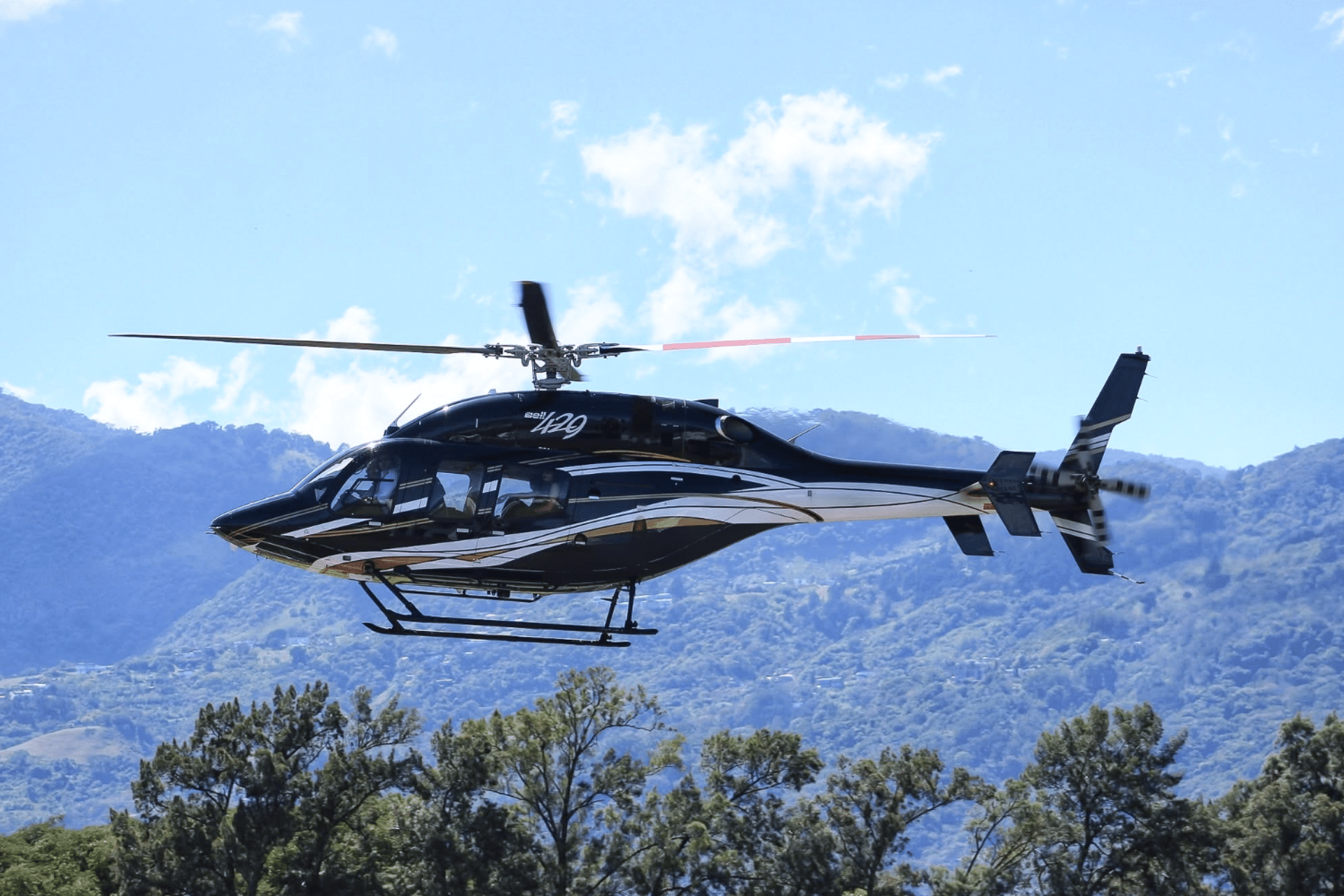
The most useful question is not, “What aircraft is available?” It is, “What does this trip need to accomplish?” A leadership team traveling between major airports may benefit from a private airplane charter. A group moving from San José to a resort, project site, golf community, or remote property may find that a helicopter provides more direct access and saves meaningful ground-transfer time.
Costa Rica’s geography makes this distinction particularly important. Mountain ranges, coastal roads, weather patterns, and traffic around urban centers can turn a short distance on a map into a long day on the ground. An aerial itinerary should be built around the full door-to-door schedule, including airport arrival, ground transport at both ends, meeting timing, and contingency time.
For example, an executive departing San José for Guanacaste may need a direct aircraft solution if the itinerary begins or ends at an airport. If the final destination is a resort or private estate with suitable landing access, a helicopter transfer may be the more efficient option. The preferred choice depends on passenger count, baggage volume, weather, operating hours, and the accessibility of the destination.
Choose an Operator on More Than Convenience
Availability matters, but it should not be the deciding factor. Executive travelers place trust in the operator, crew, maintenance standards, and flight-planning process. A lower quote or a promised departure time has limited value if the provider cannot demonstrate disciplined operational practices.
Look for an established aviation company with appropriate local certification, experienced pilots, clear safety procedures, and practical knowledge of the country’s routes and landing environments. In Costa Rica, operators should work under DGAC requirements and align their operations with relevant ICAO standards. Ask direct questions about the aircraft assigned, pilot experience, passenger briefing procedures, weather assessment, and alternate plans if conditions change.
A qualified operator will answer these questions plainly. It should also be willing to recommend a different aircraft or schedule when the original request is not the safest or most practical option. That guidance is not an obstacle to service. It is a sign that operational judgment is being applied before the flight, rather than after a problem develops.
Aerotour, with operating experience dating to 1973 and bases in San José and Liberia, reflects the value of working with a provider that understands both executive schedules and the realities of Costa Rican aviation operations.
Build an Itinerary Around Productive Time
The advantage of private air travel is control over the itinerary, not merely a shorter flight. Corporate travelers can set departure times around board meetings, inspections, confidential discussions, or international connections rather than adapting to a commercial schedule.
That flexibility works best when the schedule is precise. Provide the operator with each passenger’s desired departure and arrival times, meeting locations, luggage requirements, special equipment, and onward transportation needs. If the trip involves several stops, identify which appointments have a fixed start time and which can move. This gives the flight team room to design an itinerary that protects the most critical commitments.
It is also wise to leave margin where it matters. A tight itinerary may look efficient on paper, but it can become fragile when weather, road access, or a late-running meeting is involved. Private charter reduces unnecessary waiting, yet it does not eliminate aviation safety decisions. The best schedules preserve enough flexibility for the crew to respond responsibly to changing conditions.
Airport-to-Airport Is Only Part of the Equation
A flight that arrives 30 minutes earlier is not automatically the better choice if the ground transfer adds an hour. Consider the final destination, not just the nearest airport. In some cases, a helicopter connection from an airport to a remote location offers the best result. In others, a private airplane to a regional airport followed by a prepared vehicle transfer is more appropriate.
For multi-party travel, establish one person as the operational contact. This person can confirm passenger changes, coordinate timing with drivers or hosts, and make decisions if the itinerary needs adjustment. A single informed point of contact prevents avoidable delays and protects passenger privacy.
Prepare Passengers for a Better Flight Experience
Private aviation is efficient because many commercial airport processes are reduced, but passengers should still arrive ready to travel. Valid identification, any required entry documents, accurate passenger weights when requested, and confirmed baggage details all support safe, timely operations.
Baggage deserves attention, particularly on helicopter flights and smaller aircraft. Soft-sided bags are often easier to load than rigid cases, and weight limitations may affect what can travel on a particular leg. Golf equipment, production gear, presentation materials, and other oversized items should be disclosed at the planning stage rather than on departure day.
For executives traveling with sensitive information, privacy begins before boarding. Share passenger manifests and itinerary details only with those who need them. Confirm whether secure ground transportation, discreet arrival procedures, or private waiting arrangements are needed. An experienced operator can coordinate the flight around these requirements, but only if they are communicated early.
Treat Weather as an Operational Factor, Not an Afterthought
Costa Rica offers favorable flying conditions for much of the year, but weather can be highly localized. Rain, low cloud cover, wind, and visibility can differ substantially between the Central Valley, mountain regions, Pacific coast, and northern provinces. During the green season, afternoon conditions may require more careful schedule design.
This does not mean executive travel becomes unreliable. It means timing and aircraft selection deserve thoughtful planning. Morning departures may offer more favorable conditions for certain routes, while a later flight could be entirely suitable on another day. A responsible operator evaluates current conditions and forecasts, then communicates any operational implications promptly.
Avoid treating a weather-related adjustment as a service failure. A crew that declines an unsuitable route or recommends a revised departure is protecting passengers, aircraft, and the overall mission. The appropriate standard is not whether a flight departs at all costs. It is whether decisions are made with safety, transparency, and realistic alternatives in mind.
Use Private Aviation Strategically
Executive charter delivers its greatest value when it solves a specific business problem. It can compress a site inspection into a single day, connect regional teams without an overnight stay, support a confidential visit, or position decision-makers close to an investment, property, or operational asset.
It can also support more complex assignments. Production teams may require aerial filming platforms, carefully coordinated flight paths, and crews familiar with the demands of professional media work. Organizations serving remote facilities may need mission-specific aerial support rather than a standard passenger itinerary. These requests call for an operator with technical capability as well as premium passenger service.
Cost should be evaluated against the total value of time, access, and coordination. A charter may be more compelling for a group of executives than for one flexible traveler. It may be essential when the location lacks efficient commercial connections, but unnecessary when a commercial route fits the schedule well. The right decision is based on the mission, not on appearances.
Questions to Settle Before Confirming a Flight
Before approving a charter, confirm the passenger count, luggage profile, final destination, required arrival time, and ground transportation plan. Clarify whether the flight is one-way, round-trip, or part of a multi-leg itinerary, since aircraft positioning can affect timing and cost. If the schedule includes a return the same day, identify how long the aircraft and crew may need to wait.
Also ask what happens if weather changes, a passenger is delayed, or the meeting runs longer than expected. Clear policies and a responsive operations team are particularly valuable when executive schedules are subject to last-minute change.
Private air travel works best when it is treated as a planned extension of the business day. Give the flight team a clear mission, allow room for professional judgment, and choose an operator whose experience inspires confidence before the aircraft ever leaves the ground.